
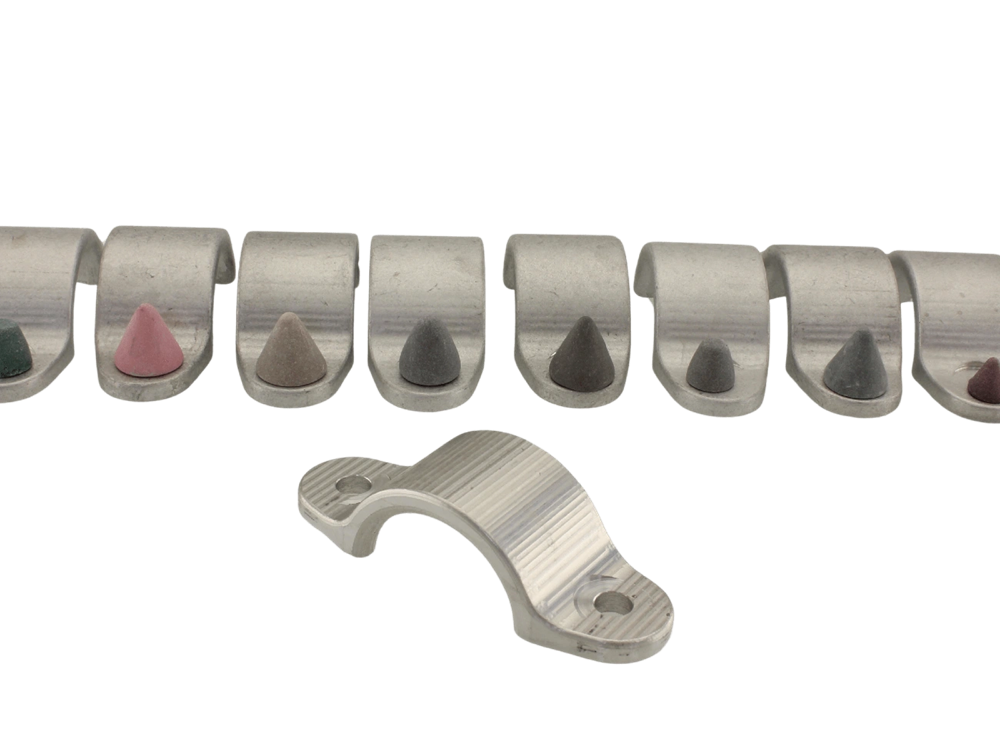
The tumbling process delivers efficiency for metal finishing and cuts post-processing labor by up to 70%. This mass finishing technique places metal parts in rotating containers with abrasive media and compounds that smooth surfaces through controlled friction. The global tumbling media market is projected to reach $1.2 billion by 2028. The growth is driven by the just need for automated deburring solutions.
Sintered metal components present unique challenges for surface finishing, especially when you have porosity and density variations. Barrel tumbling process and vibratory tumbling methods are a great way to get distinct advantages for different part geometries and material densities. In this piece, we get into tumbling methods and media selection criteria for powdered metal parts. We also cover surface finishing techniques while you retain control over dimensional tolerances and manage porosity-related complications.
Understanding Tumbling Process for Sintered Metal Components
What Makes Sintered Metals Unique for Tumbling
Sintered components exhibit a fundamentally different surface structure compared to wrought or cast metals. The powder metallurgy process creates a series of smooth surfaces interrupted by pores of varying sizes. This characteristic requires specialized measurement techniques, especially when you evaluate surface finish. Traditional profilometer readings with radius styluses prove inadequate. A chisel point stylus must be substituted to measure the peaks and valleys without interference from the porous structure.
Post-sintering operations like tumbling serve multiple functions beyond esthetic improvement. The barrel tumbling process accomplishes deburring, cleaning, radius formation, de-flashing, descaling, rust removal, polishing, brightening, surface hardening and preparation for additional finishing operations. Tumbling improves surface finish and smooths sharp edges, giving sintered components a more polished appearance.
Porosity Considerations in Powdered Metal Finishing
Porosity represents the percentage of void volume within a part and functions as a controllable variable based on raw material selection and processing techniques. Density measurements relate to porosity levels.Parts with 6.0–6.5 g/cm³ density exhibit higher interconnected porosity, while high-density components in the 7.0–7.4 g/cm³ range require precise media selection to maintain dimensional tolerances.
Two distinct porosity types exist in sintered metals: interconnected pores that extend to the surface like a sponge and closed holes contained within the part structure. Interconnected porosity presents specific challenges during tumbling operations. The porous nature absorbs oils, deburring fluids, pre-plating cleaners and acids. If unsealed, these absorbed fluids bleed out during subsequent operations and affect the final finish.
Common Surface Defects in Sintered Parts Before Tumbling
Four main defect types affect powder metallurgy components:
- Ejection cracks
- Density variations
- Microlaminations
- Poor sintering
Surface-specific defects often need tumble deburring correction. Pitting or orange peel texture results from large pores opening at the surface. Rust and oxidation occur when atmosphere control fails during sintering. Surface cracks, called crazing, develop from rapid cooling that creates thermal stress. Blisters form when gas becomes entrapped due to incomplete lubricant removal.
These defects originate at different production stages. Vibratory tumbling and other mass finishing methods provide corrective action without compromising part dimensions.
Tumbling Methods for Sintered Metal: Vibratory, Barrel, and Centrifugal Systems
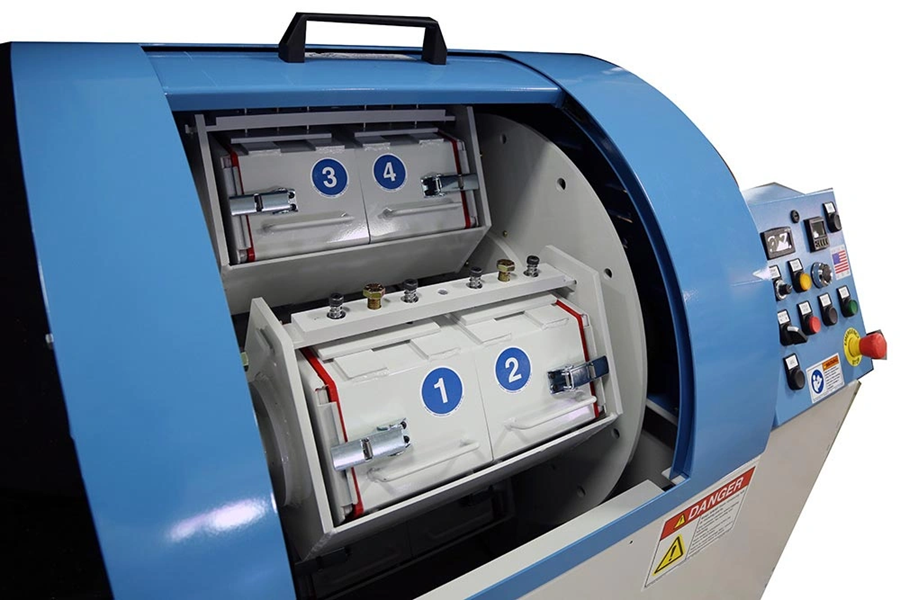
Figure: High-efficiency vibratory and centrifugal finishing equipment used for automated deburring of sintered steel components.
Vibratory Tumbling for Complex Geometries & Porous Metal Structures
Vibratory finishing uses oscillation to deburr and finish parts in an automated system. The vibrating action allows tumbling media to access internal areas whatever the part orientation in the media load. This proves especially useful for sintered components with complex geometries. Vibratory systems can achieve surface roughness values between 0.5 and 3 microns while processing selective laser sintering parts and similar porous structures. The gentle yet effective action prevents excessive material removal on delicate features. Processing cycles range from 4 to 20 hours depending on the original surface condition and target finish requirements.
Barrel Tumbling Process for Dense Sintered Components
Barrel tumbling employs a rotating drum where metal components tumble over each other and create friction that removes burrs. This traditional method delivers more aggressive action compared to vibratory finishing. It works well for harder, denser sintered metals that need substantial surface work. Complete barrel tumbling cycles take between 6 and 24 hours. The technique processes millions of parts weekly in high-volume manufacturing environments. It offers versatility through calibration adjustments that achieve results from mirror finishes to edge breaking.
High-Energy Centrifugal Finishing for Hardened Sintered Parts
Centrifugal barrel finishing generates forces up to 12G and accelerates material removal well beyond conventional methods. This high-energy process can eliminate 95% of handwork involved in deburring operations. Cycle times drop from hours to minutes while maintaining dimensional integrity. The controlled material removal and repeatable edge radiusing make centrifugal systems ideal for precision sintered components in aerospace, medical, and automotive applications.
Wet vs Dry Processing for Powdered Metal Parts
Wet tumbling incorporates water with abrasive compounds and provides superior performance for aggressive deburring and heavy material removal. Dry tumbling eliminates wastewater disposal concerns and works great for polishing delicate parts while maintaining tight tolerances. Media selection is quite different between processes. Wet systems use ceramic or plastic media while dry processes employ organic materials like corn cob or walnut shells.
Tumbling Media Selection for Sintered Metal Components
Media selection criteria depend on three interrelated variables: part density, material hardness, and porosity level. Matching media characteristics to these parameters prevents dimensional changes, media lodging, and surface damage during the tumbling finishing process.
Quick Reference Matrix: Media Selection vs. Sintered Part Density & Hardness
| Part Density | Material Hardness | Recommended Media | Application |
|---|---|---|---|
| 4-5 g/cc | Low to Medium | Plastic (low-density) | Deburring without peening |
| 5-6.5 g/cc | Medium | Ceramic (aluminum oxide) | General deburring |
| 6.5+ g/cc | High | Ceramic (silicon carbide) or Steel | Aggressive deburring, burnishing |
Ceramic Media Types for Different Sintered Metal Densities
Ceramic media delivers balanced cutting efficiency in varying densities. Aluminum oxide ceramic handles general-purpose deburring on steel and stainless steel components. Silicon carbide ceramic provides sharper, harder particles for tough alloys that require higher cutting performance. Ceramic density of 90 lbs/cu ft makes processing times shorter compared to lighter alternatives.
Plastic Media for Low-Density Powdered Metal Parts
Plastic media weighs 30% less than ceramic. This reduces impact forces on fragile sintered structures. Burr peening and dimensional distortion on aluminum, brass, and zinc components get prevented. Low-density formulations suit parts below 5 g/cc density.
Steel Media for Surface Hardening and Burnishing
Steel burnishing media applies compressive force that deforms surface micro-asperities rather than cutting them. This process reduces porosity in metal parts and work-hardens surfaces. Carbon steel media creates high bulk density that produces mirror finishes in reduced cycle times.
Media Size and Shape Selection Based on Part Porosity
Media dimensions must exceed the smallest part opening by sufficient margin to prevent lodging. Cones, angle stars, and pyramids reach recessed areas without becoming trapped. Angle-cut cylinders pass through holes well.
Compound Selection to Prevent Media Lodging in Pores
Burnishing compounds prevent oxidation, provide lubrication, and maintain pH control. Alkaline formulations prevent rust formation on steel media between contact cycles when working with porous sintered metals.
Surface Finishing Techniques and Quality Control for Sintered Metals
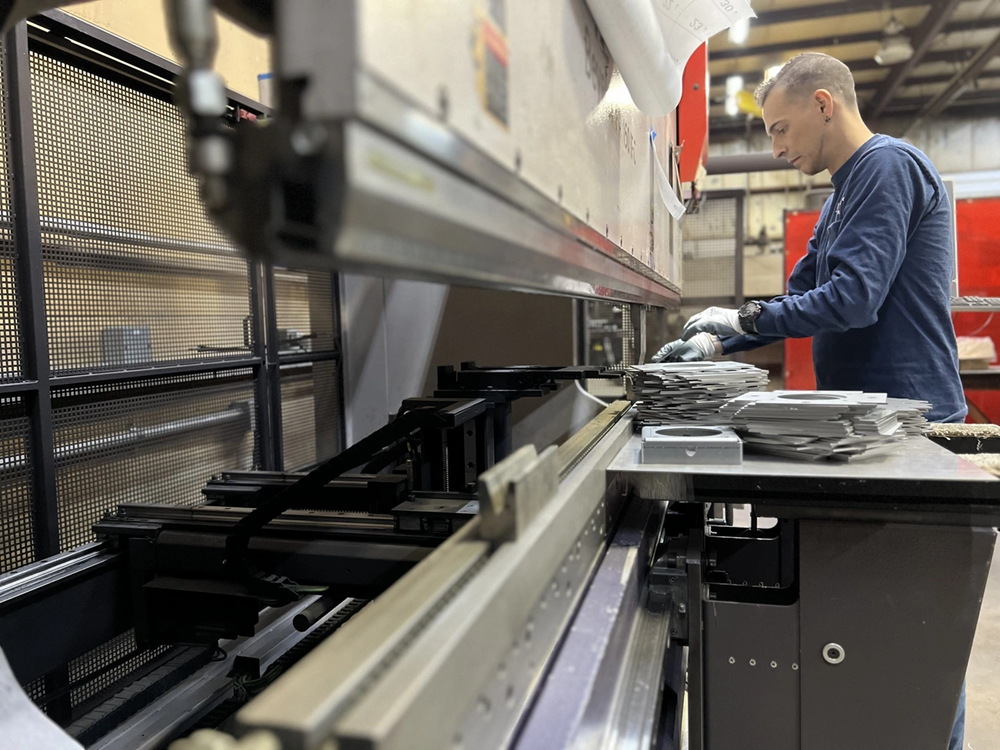
Tumbling vs. Manual Deburring: Yield, Consistency, and Labor Cost Savings
Automated mass finishing reduces post-processing labor by up to 70%. Manual deburring introduces operator-dependent variability in edge condition and surface texture. Centrifugal tumbling processes 50-200 parts per batch in 1-2 hours. Manual methods handle single parts with inconsistent results. Annual labor costs for manual deburring operations in two shifts justify automated equipment investment within one to three years.
Deburring Without Compromising Dimensional Tolerances
Controlled cycle time and media selection prevent excessive material removal. Process parameters require confirmation before production runs to establish maximum cycle durations that preserve dimensional stability. Fixture usage protects critical dimensions on delicate parts.
Achieving Target Surface Roughness (Ra Values) on Porous Materials
Vibratory tumbling achieves Ra values between 0.1 and 1.6 µm on sintered metals. Medical-grade titanium components reach Ra below 0.4 µm to meet biocompatibility requirements. Surface roughness measurement requires profilometers following ISO 4287 standards.
Sealing Surface Pores During Tumbling Process
Resin impregnation fills interconnected pores and prevents fluid intrusion. This reduces tool wear during secondary machining. The sealing operation improves part integrity before tumbling operations.
Post-Tumbling Cleaning and Drying Methods
Ultrasonic cleaners remove residual media from complex geometries. Compressed air removes moisture from recessed features and threaded areas.
Inspection Standards for Finished Sintered Components
Digital microscopes confirm burr sizes below 0.1 mm. Profilometers measure surface texture development during process optimization.
Conclusion & Custom Deburring Sample Assessment
Tumbling technology reshapes sintered metal finishing through automated precision that manual methods cannot match. Proper media selection based on part density and porosity prevents dimensional distortion and achieves target surface roughness values. The main tumbling methods—vibratory and barrel—handle most component requirements, while centrifugal finishing tackles specialized applications. Manufacturers that implement these mass finishing techniques realize labor reductions and consistent quality outcomes in production volumes of all sizes.
FAQs
Q1. What is the tumbling process for metal components? The tumbling process is a mass finishing technique that places metal parts in rotating containers with abrasive media and compounds to smooth surfaces through controlled friction. It accomplishes multiple functions including deburring, cleaning, radius formation, descaling, rust removal, polishing, and surface hardening while reducing post-processing labor by up to 70%.
Q2. Which tumbling media works best for steel sintered components? For steel sintered components, ceramic media with aluminum oxide is recommended for general-purpose deburring, while silicon carbide ceramic provides sharper particles for tougher alloys. Steel burnishing media is ideal for surface hardening and achieving mirror finishes, particularly on high-density parts (6.5+ g/cc) that require aggressive deburring or burnishing.
Q3. What are the main types of tumbling methods used for sintered metals? The three primary tumbling methods are vibratory tumbling (ideal for complex geometries and porous structures, achieving 0.5-3 micron surface roughness), barrel tumbling (suitable for dense components requiring aggressive action with 6-24 hour cycles), and centrifugal finishing (high-energy process generating up to 12G forces for hardened parts with significantly reduced cycle times).
Q4. How do you achieve specific surface finishes on sintered metal parts? Surface finishes are achieved by selecting appropriate media type, size, and shape based on part density and porosity, controlling cycle times to prevent excessive material removal, and using proper compounds. Vibratory tumbling can achieve Ra values between 0.1 and 1.6 µm on sintered metals, with medical-grade components reaching Ra below 0.4 µm through optimized processing parameters.
Q5. Why is porosity important when tumbling sintered metal components? Porosity affects media selection and processing methods because interconnected pores can trap tumbling media, absorb fluids, and influence surface finish quality. Parts with 4-5 g/cc density require lighter plastic media to prevent damage, while denser parts (6.5+ g/cc) can handle ceramic or steel media. Proper compound selection and potential resin impregnation help prevent media lodging and fluid absorption in porous structures.