
Tooling Cost
Key Cost Drivers for MIM Tooling & Mold Design
Metal Injection Molding (MIM) is uniquely suited for producing complex, high-precision metal components. MIM components typically weigh between 0.1 g and 200 g, with optimal cost efficiency achieved under 50 g. The process easily achieves complex geometries, tight tolerances, and superior surface finishes comparable to plastic injection molding.
For standard MIM component design, nominal wall thickness should ideally range between 1.0 mm and 4.0 mm, with a maximum threshold of 6.0 mm to avoid prolonged cycle times and excessive feedstock consumption. Walls thinner than 0.5 mm are achievable for micro-features, but require specialized tooling strategies and strict gating controls.
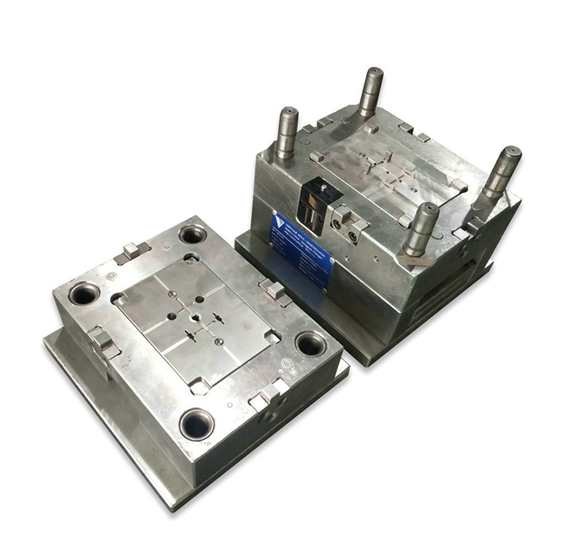
What Factors Determine MIM Mold & Tooling Costs?
MIM tooling construction builds upon plastic injection mold architecture, utilizing precision tool steel die sets modified with specialized cavities, runners, cooling channels, and ejection mechanisms. Standard industrial MIM tooling typically ranges from $3,000 to over $15,000 depending on geometry complexity, multi-cavity requirements, and automation levels.
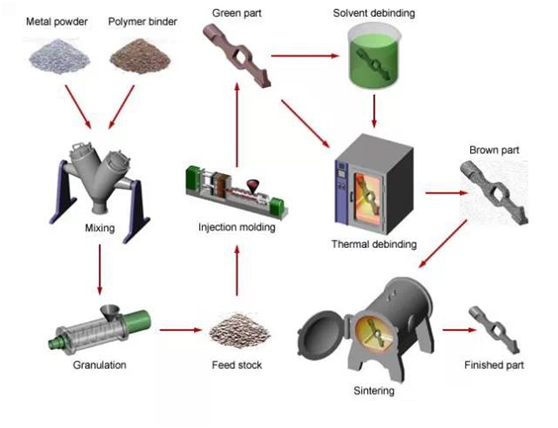
Tooling quotations are primarily influenced by five core engineering variables:
- Cavity Layout & Multi-Cavity Tooling: While single-cavity prototype molds lower upfront tooling investment, multi-cavity production molds drastically reduce per-part unit cost for high-volume programs. Tooling cost scales non-linearly as additional cavities require CNC/EDM machining and precise runner balancing.
- Feedstock Delivery System: Standard cold runner systems are cost-effective but generate sprue scrap. Upgrading to hot runner material delivery systems increases initial tooling costs but optimizes material yield and reduces cycle time.
- Tooling Tolerances vs. Part Tolerances: Tooling tolerances are typically held to under 20% of the target part drawing tolerance. Components with extremely tight feature tolerances require high-precision Wire-EDM, jig grinding, and iterative tool tuning, which adds machining hours.
- Die Surface Finish & Texture: Premium surface finishes requiring hand polishing, SPI mirror finishes, laser etching, molded logos, or custom texturing increase mold fabrication lead time and cost.
- Side-Actions & Complex Cores: Features such as undercuts, internal threads, or cross-holes require automatic side sliders, lifters, or hydraulic core pulls within the mold base, adding mechanical complexity and machining effort.
Integrated Precision Manufacturing Services at JHMIM
JHMIM delivers complete end-to-end component manufacturing soluciones. Beyond metal injection molding, JHMIM offers fully integrated turnkey capabilities across multiple metal-forming technologies:
- Powder Metallurgy (PM): High-volume press-and-sinter solution for structural gears and bushings.
- Die Casting: High-pressure aluminum and zinc alloy casting for complex structural housings.
- Precision CNC Machining: Multi-axis secondary milling, turning, and grinding for ultra-tight tolerance requirements.
- 3D Printing / Additive Manufacturing: Rapid metal prototyping (SLM/LPBF) for design verification prior to full tooling investment.
Need a DFM review or tooling quote for your next MIM project? Contact JHMIM’s engineering team today to optimize your component design and tooling budget.