
Tumble Deburring for Metal Parts: Engineering Guide to Media Selection and Process Optimization
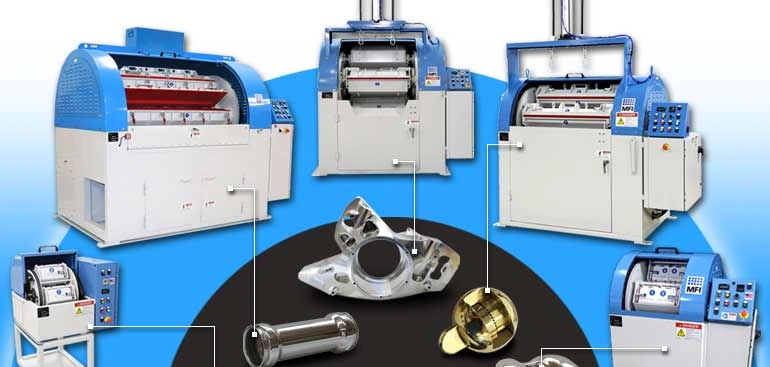
Understanding Tumble Deburring for Metal Parts
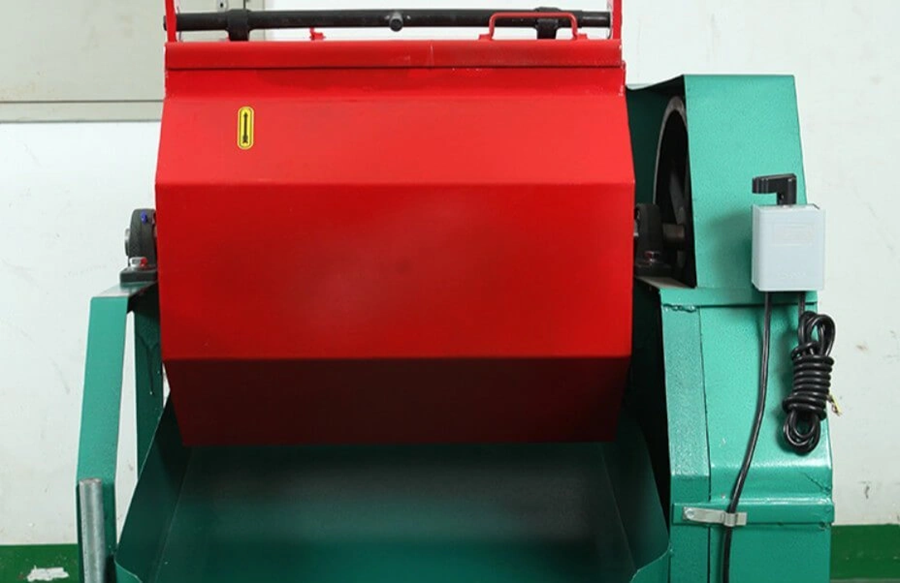
“Proper deburring helps manufacturers improve product quality, reduce assembly issues, enhance workplace safety, improve coating performance, increase dimensional consistency, and create a more professional appearance.” — Kramer Industries, Manufacturer of industrial finishing solutions
What Is Tumble Deburring and How It Works
Tumble deburring removes burrs, sharp edges and surface imperfections from metal parts through controlled abrasive action between parts, media and chemical compounds. The process places components inside a container along with selected media and water-based compounds. Mechanical movement creates friction between the media mass and part surfaces. This abrades away unwanted material projections formed during machining, stamping or casting operations.
The abrading mechanism relies on three fundamental forces: abrasion from media contact, impact as parts interact with media pieces and attrition from the sliding motion between surfaces. Media repeatedly contacts part edges at varying angles and burrs break away. The continuous rubbing action smooths surfaces while the chemical compounds control pH levels and prevent oxidation. They also assist material removal. Processing duration varies from 30 minutes to several hours depending on burr size, material hardness and desired edge condition.
Tumble Finishing Metal: Barrel vs. Vibratory Deburring Systems
Barrel tumbling machines use rotating hexagonal or octagonal containers that create a cascading motion. Parts and media roll over each other as the barrel rotates. This creates a gentle cutting action. The rotation occurs at speeds between 20-45 RPM, with slower speeds of 18-22 RPM used for polishing and faster speeds of 28-32 RPM applied for deburring. The cutting action in barrel systems remains limited to the slide area, which has around 25% of the total load.
Vibratory deburring systems employ eccentric weights to create oscillating motion within a bowl or tub. This vibration creates a three-dimensional movement pattern that keeps the entire media mass in continuous circulation. The entire load receives cutting action with each pulse, occurring around 1,800 times a minute. Operating frequencies range from 15-50 Hz, with most systems running between 1,200-3,600 vibrations per minute. This aggressive motion delivers 5-10 times the processing efficiency of barrel tumblers.
Cycle times differ between the two systems. Vibratory finishing completes deburring operations 20-40% faster than barrel processing for equivalent results. The vibratory approach produces more uniform finishes on all available surfaces, while barrel tumbling creates larger edge radii with minimal flat surface material removal. Parts in barrel systems can form edge radii while removing little material from flat sections. Vibratory systems remove sufficient material from both edges and faces due to their scrubbing action.
Key Process Parameters That Control Deburring Results (RPM, Amplitude & Mass Ratio)
Key Process Parameters That Control Deburring Results
-
Rotational Speed (Barrel Tumblers): Higher RPM speeds increase processing intensity. Optimal tumbling occurs when the cascading action maintains fluid movement—typically maintained between 20–45 RPM (slower 18–22 RPM for fine polishing).
-
Amplitude & Frequency (Vibratory Systems): Precise control of 2–4 mm amplitude and 15–50 Hz frequency (1,200–3,600 vibrations/min) delivers aggressive cutting while protecting delicate features.
-
Media-to-Part Mass Ratio: Standard operational ratios range from 3:1 to 5:1 by volume. Delicate parts requiring maximum separation can use ratios as high as 10:1 to prevent part-on-part impingement.
-
Chamber Fill Level: Vibratory bowls function best when filled to 80% capacity, while barrel systems achieve optimal cascading movement at 60% fill level.
Engineering Media Selection for Metal Deburring
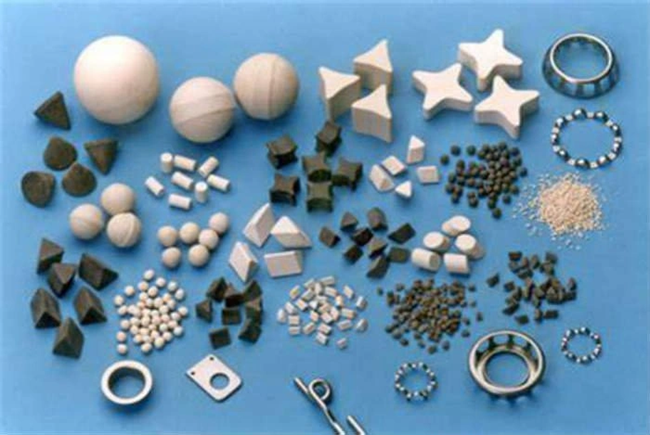
Media selection affects deburring efficiency, surface finish quality, and part protection during tumble finishing metal operations. The base material’s hardness, desired edge condition, and part geometry dictate which media formulation delivers the best results without causing surface damage or dimensional changes.
Quick Decision Matrix: Media Selection Comparison Table
| Media Type | Density | Best For | Main Advantage | Avoid On |
|---|---|---|---|---|
| Ceramic | 90 lbs/cu ft | Steel, stainless steel, titanium | Aggressive cutting, long life | Soft metals (aluminum, zinc) |
| Plastic | 60-75 lbs/cu ft | Aluminum, brass, copper, zinc | Surface protection, no impingement | Heavy burr removal on hardened steel |
| Steel | 300 lbs/cu ft | Burnishing, bright finishing | Zero wear rate, high gloss | Applications requiring material removal |
| Walnut Shell | 45 lbs/cu ft | 45 lbs/cu. ft.”>45 lbs/cu ft | Dry polishing, coating removal | Biodegradable, absorbent |
| Corn Cob | 33 lbs/cu ft | 33 lbs/cu. ft.”>33 lbs/cu ft | Drying, oil absorption | Lightweight, gentle |
Ceramic Media for Aggressive Edge Deburring on Hard Steels
Ceramic tumbling media combines aluminum oxide abrasives with a ceramic binder matrix and is fired at high temperatures to achieve exceptional hardness. This formulation excels at removing heavy burrs from hard metals like steel, stainless steel, cast iron, and titanium. The dense structure supports very heavy parts better than plastic alternatives and delivers fast deburring cycles.
Ceramic media performs best when small media dimensions are required, under 3/4 inch in most cases. The abrasive content ranges from 20% to 60% by weight depending on cutting aggressiveness. High-cut formulations remove material faster but wear out quicker, while medium-cut grades balance cycle time against media longevity.
Plastic Media for Soft Alloys, Aluminum, and Delicate Features
Plastic media serves as the standard choice for aluminum, brass, zinc, and copper components that require burr removal without surface damage. The lower density prevents impingement marks and edge roll-over that happen when ceramic contacts soft metals. Low-density formulations weigh about 60 lbs/cu ft, while high-density hybrid versions reach 100 lbs/cu ft for faster cutting.
Plastic media removes machine lines from aluminum die castings and CNC-machined parts and prepares surfaces for anodizing or plating without altering base material properties. The formulation prevents discoloration issues that occur when harder abrasives contact non-ferrous metals.
Steel Media for Burnishing, Hardening, and High-Gloss Polishing
Steel burnishing media applies compressive stress to part surfaces and work-hardens the material while creating mirror-like finishes. Available in balls, pins, ballcones, and diagonal shapes, steel media weighs around 300 pounds per cubic foot. This mass generates substantial impact energy for rapid surface compaction.
The non-abrasive nature means steel media experiences almost no wear and delivers years of reuse. Steel shot works especially well on brass cartridge cases, jewelry components, and fasteners requiring bright polished appearances before electroplating.
Organic Media (Walnut Shell & Corn Cob) for Dry Cleaning
Walnut shell media provides harder cutting action than corn cob due to its fibrous, angular structure. Walnut shell removes carbon deposits, rust staining, and paint while remaining gentle enough for soft metal polishing. The material lasts about 20 cycles before replacement.
Corn cob media excels at moisture absorption and drying applications following wet vibratory deburring. Its porous structure soaks up surface oils and residual water and leaves parts clean without secondary drying operations. Corn cob provides 15 reuse cycles on average.
Special Considerations for MIM & Powder Metallurgy Parts (Porosity Protection)
Metal injection molded components and powder metallurgy parts contain inherent porosity that requires protection during tumble deburring. Standard sintered parts retain 5-25% residual porosity after processing. Aggressive ceramic media can fracture porous structures or lodge particles within interconnected void networks.
Plastic media or fine porcelain formulations protect the porous matrix while removing flash and gate marks from MIM parts. Lower processing intensities prevent structural damage to the sintered skeleton formed during debinding.
Preventing Media Lodging: Size & Shape Selection Rules for Holes and Slots
Media must maintain at least 30% size difference from part features to prevent jamming. A 10mm hole requires media that measures either smaller than 3mm to pass through freely or larger than 15mm to avoid entry. Cones and triangles access recesses better than spherical shapes while reducing lodging risk.
Parts with unavoidable trap points require hand separation after processing to clear residual media. Angle-cut cylinders pass through holes more reliably than straight-cut geometries.
Process Optimization: Wet vs. Dry Tumble Deburring
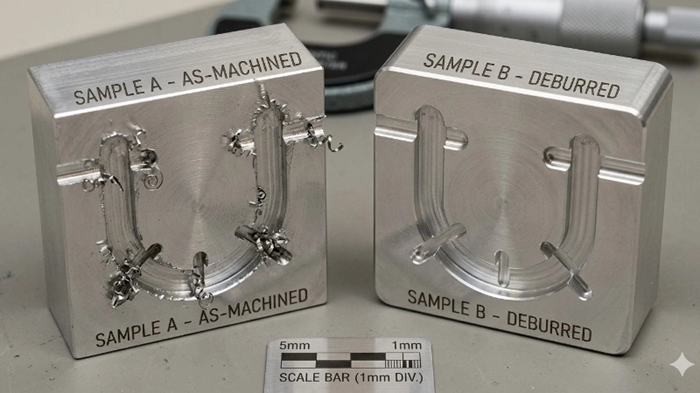
Wet Tumbling with Compounds for Rust Prevention and Speed
Wet tumbling introduces water-based compound solutions that accelerate material removal and protect parts from oxidation. The liquid medium cools parts and flushes away debris continuously. It carries rust inhibitors that form protective films on metal surfaces. Chemical compounds adjust pH levels and provide lubrication between media and parts. They prevent metal-to-metal welding during high-energy processing.
Cycle times decrease by 20-40% compared to dry methods due to improved cutting efficiency. The fluid reduces friction heat buildup and maintains consistent abrasive action as fresh cutting surfaces expose on media. Rust inhibitor concentrations range from 2-5% in water for carbon steel protection. Humid environments require higher concentrations.
Dry Tumbling for Moisture-Sensitive Components
Dry processing eliminates liquid and relies on media abrasion with optional polishing compounds. Parts emerge ready for immediate coating or assembly without secondary drying operations. This approach prevents flash rust on carbon steel and oxidation on reactive metals. It also prevents moisture contamination in powder metallurgy components with interconnected porosity.
Dry tumbling suits firearm components and electronic assemblies. It works well for sintered metal filters where water exposure causes dimensional instability or performance degradation. The process generates higher friction heat and increased dust. Proper ventilation systems are required.
Multi-Stage Processing: Coarse Deburring to Precision Tumbled Finish
Sequential processing delivers superior results. It separates aggressive deburring from final surface refinement. Original stages use ceramic tumbling media for rapid burr removal. Plastic or porcelain media follows for surface smoothing. A third burnishing stage with steel media creates high-gloss finishes on appropriate alloys.
Media-to-Part Ratio and Mass Loading Rules (3:1 to 5:1 Ratios)
Standard vibratory deburring operations maintain 3:1 to 5:1 media-to-part volumetric ratios. Delicate components that require maximum separation use 6:1 or higher ratios. This eliminates part-to-part contact. Barrel systems run at 50-60% total volume capacity. Vibratory machines operate at 90-95% fill levels.
Tumble Deburring Machines: Equipment Selection and Settings
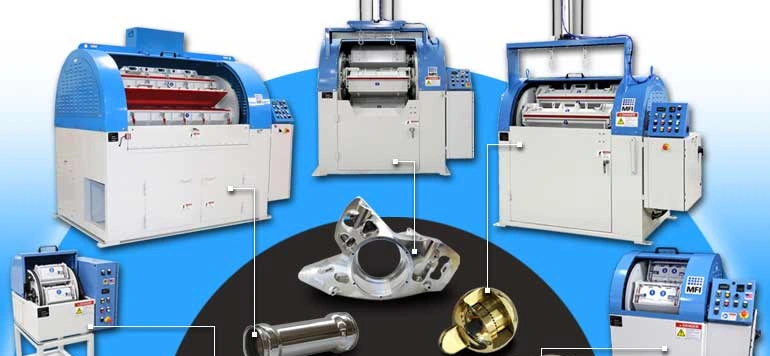
“Automated deburring machines equipped with multi-axis compliant technology, like The MAX, offer unparalleled advantages over traditional deburring methods.” — James Engineering, Deburring equipment manufacturer
Equipment configuration determines cycle efficiency and surface finish consistency in tumble deburring operations. Three primary machine categories dominate metal finishing applications. Each delivers distinct performance characteristics based on mechanical design and energy transfer methods.
Barrel Tumblers: Rotational RPM and Extended Processing Times
Rotational barrel machines operate within a narrow speed window of 20-38 RPM to maintain optimal cascading action. Processing cycles extend from 6 to 24 hours depending on material hardness and burr severity. The extended duration results from the limited active cutting zone, where only 20-30% of the load participates in abrasive work at any moment. Barrel efficiency peaks at 50% volume capacity and balances media movement against excessive dead zones. Lower speeds around 20 RPM suit burnishing applications. Aggressive deburring requires speeds approaching 38 RPM. The 2:1 media-to-part ratio prevents excessive part-on-part contact during the rolling motion.
Vibratory Systems: Amplitude, Frequency, and Continuous Flow
Amplitude adjustment controls processing intensity across vibratory deburring platforms. Settings of 2-3mm create gentle action for fine polishing. General deburring needs 3-5mm, and aggressive descaling requires 5-7mm. Operating frequency reaches 1,700 vibrations per second and creates continuous shearing forces throughout the media mass. Bowl configurations perform best at 75-90% fill capacity and maintain proper circulation patterns. Continuous flow systems process parts on a through-feed basis with cycle times from 2 to 15 minutes.
High-Energy Centrifugal Disk Systems for Ultra-Fast Deburring
Centrifugal disk finishers achieve 10-15 times higher performance compared to vibratory equipment. The rotating disk creates 6-8 G-forces and propels media against stationary bowl walls in a continuous vortex pattern. Variable speed drives allow process intensity adjustment from gentle polishing to aggressive cutting. Gap adjustment between the disk and bowl wall prevents media jamming and protects part surfaces.
Quality Control, Inspection, and Troubleshooting
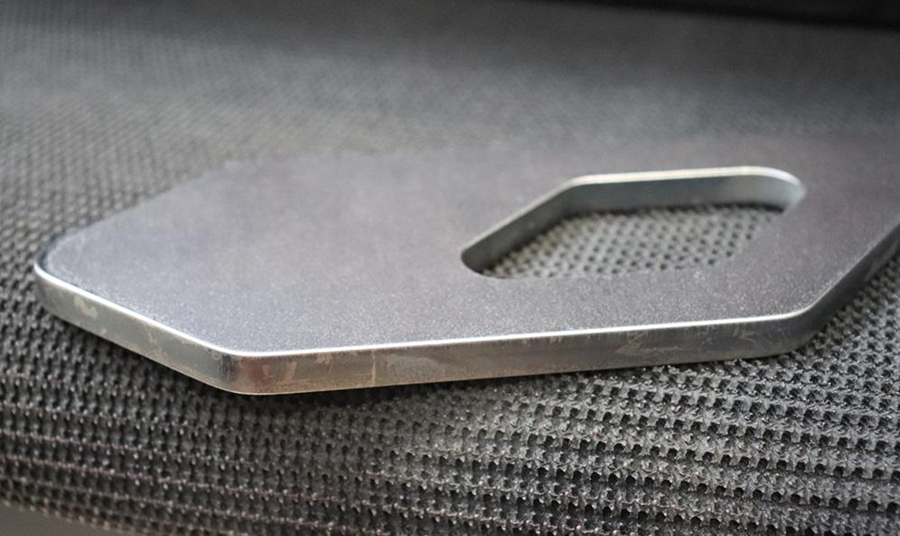
Repeatable surface finish quality needs documented targets and systematic defect prevention. Process validation confirms that tumble deburring machines deliver specified edge conditions before production release.
Edge Radius Control and Surface Roughness (Ra) Targets
Vibratory tumbling achieves Ra values between 0.4-1.6 µm. Centrifugal systems reach 0.2-0.8 µm. Nylon parts processed with ceramic media reach Ra 4-5.5 µm after 8 hours. Edge radius measurement uses optical comparators, contact profilometers, or adjusted radius gages depending on tolerance requirements. Material removal causes dimensional changes that range 0.01-0.1 mm per hour.
Troubleshooting Common Defect: Edge Over-Rounding and Part Damage
Surface scratching indicates that media is too aggressive or compound dosing is insufficient. Part-on-part collisions cause denting and edge chipping. This happens when chambers are overloaded or amplitude is excessive. Machine overloading represents the most frequent damage cause and occurs when parts exceed 10-30% of total working volume. Lower amplitude settings combined with extended cycle times protect delicate components better than high-intensity short cycles.
Managing Media Degradation and Compound Concentration
Media needs replacement when dimensions decrease 15% from original size. Compound concentration monitoring uses refractometers at 1.5° Brix per oz/gal factor. Media wear averages 0.3% per operating hour.
Post-Deburring Rinsing, Drying, and Anti-Corrosion Storage
Steel parts need corrosion inhibitor in final rinse water before drying. Corn cob vibratory dryers remove moisture from complex geometries at 80-120°C. Parts must achieve complete dryness before coating operations to prevent adhesion failure.
Conclusion
Tumble deburring is an essential finishing process for manufacturing operations that just need precise edge conditions and consistent surface quality. This piece covered the fundamental principles of barrel and vibratory systems, media selection criteria from ceramic to organic formulations, and process parameters that influence deburring effectiveness. The selection matrix and technical specifications enable engineers to match equipment capabilities with specific material requirements and quality targets. Manufacturers can optimize cycle times and prevent part damage. They achieve repeatable surface finishes. Media selection combined with controlled processing parameters delivers the edge quality and surface characteristics that modern metal components just need.
Tumble deburring is a mechanical finishing process that removes burrs, sharp edges, and surface imperfections from metal components through controlled abrasive action. Parts are placed in a container with specially selected media and compounds, where mechanical movement creates friction between the media and part surfaces. This continuous rubbing action breaks away burrs and smooths surfaces, with processing times ranging from 30 minutes to several hours depending on material hardness and desired finish.
Barrel tumblers use rotating containers that create a cascading motion at 20-45 RPM, with only about 25% of the load actively cutting at any time. Vibratory systems employ oscillating motion at 1,200-3,600 vibrations per minute, keeping the entire media mass in continuous circulation. Vibratory finishing is 5-10 times more efficient and completes deburring 20-40% faster than barrel processing, while barrel systems create larger edge radii with minimal flat surface material removal.
Ceramic media works best for aggressive deburring of hard steels, stainless steel, and titanium due to its high density and cutting power. Plastic media is ideal for soft alloys like aluminum, brass, and copper, preventing surface damage while removing burrs. Steel media is used for burnishing and high-gloss polishing rather than material removal. For dry cleaning and polishing, organic media like walnut shell and corn cob provide gentle action suitable for delicate finishing operations.
Standard tumble deburring operations maintain a 3:1 to 5:1 media-to-part volumetric ratio. Delicate components requiring maximum separation may use ratios as high as 6:1 or 10:1 to eliminate part-to-part contact and prevent surface damage. Vibratory machines typically operate at 80-95% fill capacity, while barrel systems perform best at 50-60% total volume capacity to maintain proper circulation and cutting action.
Wet tumbling with water-based compounds accelerates material removal by 20-40%, provides rust prevention, and continuously flushes away debris. It’s ideal for most steel and stainless steel applications. Dry tumbling is preferred for moisture-sensitive components like powder metallurgy parts, electronic assemblies, and carbon steel parts prone to flash rust. Dry processing eliminates the need for secondary drying operations and prevents oxidation on reactive metals.