
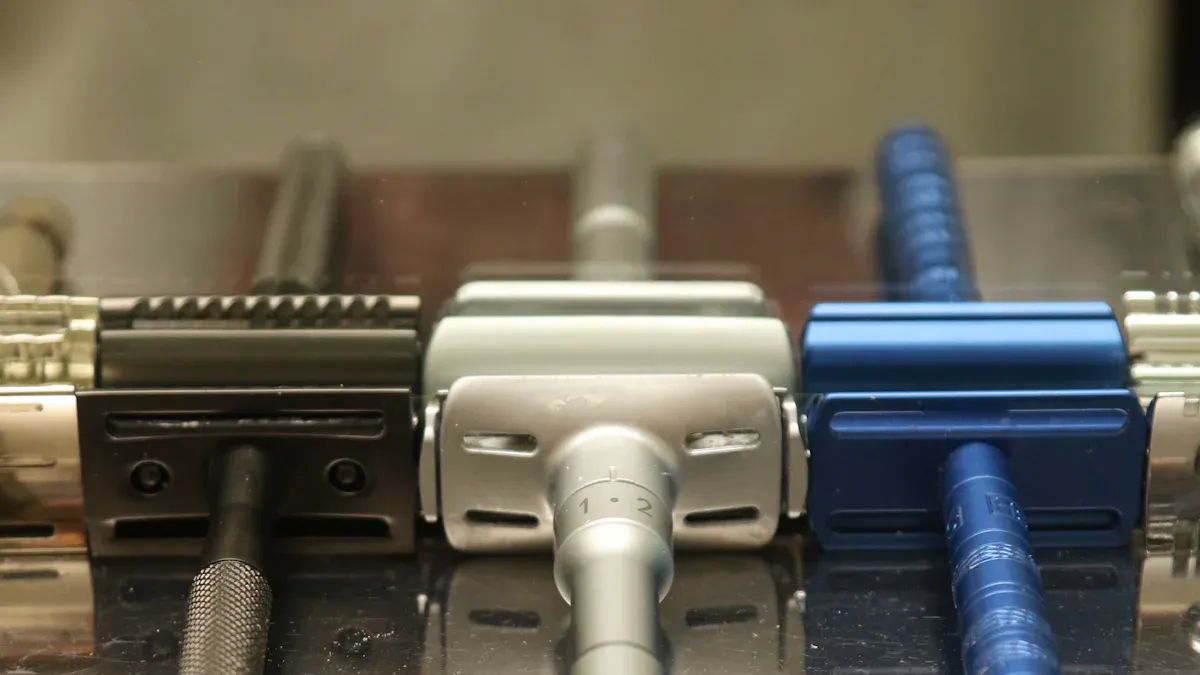
When comparing Tungsten Alloy MIM and Stainless Steel MIM, specific applications reveal distinct advantages. Tungsten Alloy MIM excels in specialized fields due to its high tensile strength and corrosion resistance. In contrast, Stainless Steel MIM dominates the market with an anticipated share of approximately 47% by 2025, benefiting from its cost-effectiveness and versatility. Industries such as aerospace and automotive favor stainless steel for its strength and durability, while tungsten alloys find their niche in demanding environments requiring exceptional performance.
Key Takeaways
- Tungsten Alloy MIM offers high tensile strength and corrosion resistance, making it ideal for demanding applications.
- Stainless Steel MIM is cost-effective and versatile, dominating the market with a projected 47% share by 2025.
- Tungsten alloys excel in high-temperature environments, maintaining structural integrity under extreme heat.
- Stainless Steel MIM provides good corrosion resistance, especially in marine applications due to its pitting resistance.
- Consider the specific application requirements when choosing between Tungsten Alloy MIM and Stainless Steel MIM.
- Tungsten Alloy MIM is more expensive due to high raw material costs and complex manufacturing processes.
- Stainless Steel MIM is easier to machine, leading to faster production times and lower operational costs.
- Evaluate long-term durability needs, as Tungsten Alloy MIM offers superior wear resistance compared to Stainless Steel MIM.
Properties of Tungsten Alloy MIM
Material Composition
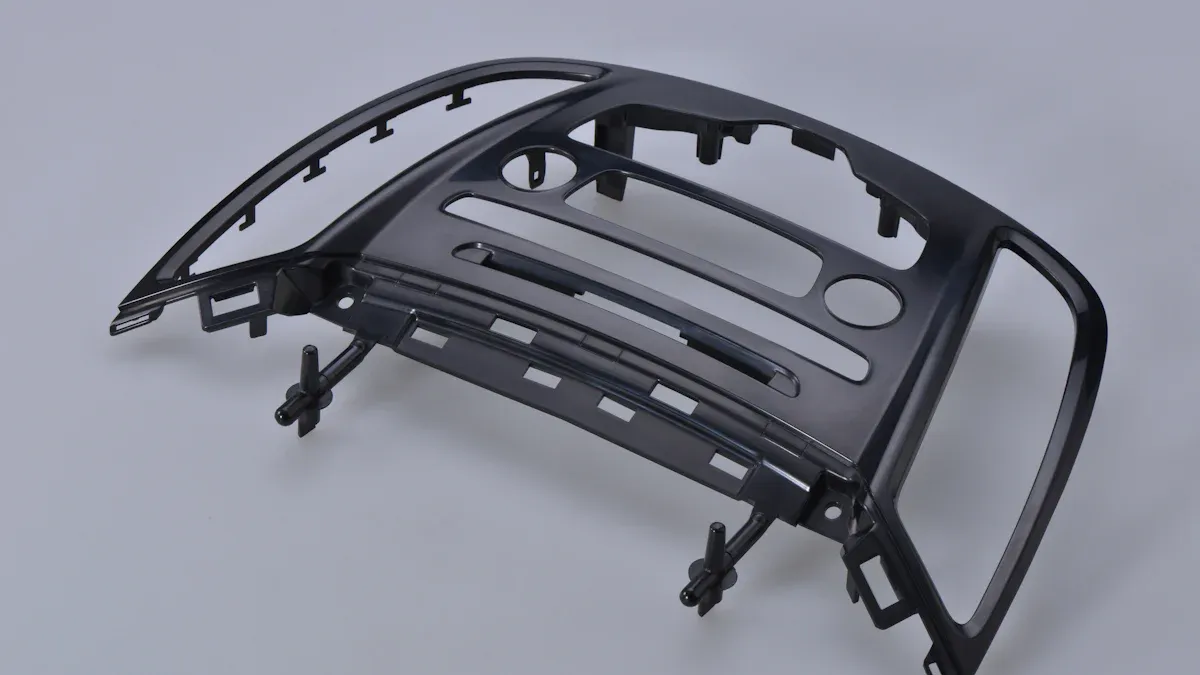
Tungsten Alloy MIM primarily consists of tungsten combined with various alloying elements. Common compositions include nickel, copper, and iron. These elements enhance the material’s overall performance. The most prevalent tungsten alloys used in MIM processes are W-5Ni-2Cu and W-4Ni-1Fe. The addition of nickel and copper improves ductility and machinability, making these alloys suitable for diverse applications.
Mechanical Properties
Tungsten Alloy MIM exhibits remarkable mechanical properties, making it a preferred choice in demanding environments. The following table summarizes key mechanical property values:
| Property | Value |
|---|---|
| Ultimate Tensile Strength | > 1000 MPa |
| W-5Ni-2Cu Alloys | 1050 MPa (10% elongation) |
| W-4Ni-1Fe Alloys | 1000 MPa (20% elongation) |
| Hardness | 345 VHN |
| Modulus of Elasticity | 40 × 10⁶ PSI to 53 × 10⁶ PSI |
| Thermal Conductivity | 195 W/mK |
These properties highlight the strength and durability of tungsten alloys. The high tensile strength ensures that components can withstand significant stress without failure. Additionally, the hardness of 345 VHN indicates excellent wear resistance, making tungsten alloys ideal for applications requiring longevity.
Thermal Properties
Tungsten Alloy MIM also demonstrates impressive thermal properties. The thermal conductivity of tungsten alloys, particularly in composites like W-15Cu and W-20Cu, is notably high. This characteristic makes them suitable for heat sink applications. In comparison, molybdenum-copper composites, such as Mo-18Cu, exhibit lower thermal conductivity but are preferred in weight-sensitive applications due to their reduced density. This comparison illustrates that while tungsten alloys provide superior thermal conductivity, the choice of material often hinges on specific application requirements, including weight and thermal expansion compatibility.
The combination of these properties positions Tungsten Alloy MIM as a robust option for industries that demand high-performance materials.
Corrosion Resistance
Tungsten Alloy MIM exhibits excellent corrosion resistance, making it suitable for various demanding applications. The unique composition of tungsten alloys contributes to their ability to withstand harsh environments. Here are some key points regarding their corrosion resistance:
- Oxidation Resistance: Tungsten alloys resist oxidation at elevated temperatures. This property allows them to maintain structural integrity in high-temperature applications, such as aerospace components and furnace parts.
- Chemical Resistance: Tungsten alloys demonstrate strong resistance to many corrosive chemicals. They perform well in environments containing acids, alkalis, and other aggressive substances. This characteristic makes them ideal for use in chemical processing industries.
- Surface Treatments: Manufacturers often apply surface treatments to enhance the corrosion resistance of tungsten alloys. Techniques such as coating or plating can further protect the material from environmental factors.
Note: While tungsten alloys excel in corrosion resistance, they may not be suitable for all applications. Engineers must consider specific environmental conditions when selecting materials.
In contrast, Stainless Steel MIM also offers commendable corrosion resistance. The alloy’s chromium content plays a crucial role in forming a protective oxide layer on its surface. This layer prevents rust and degradation, making stainless steel a popular choice in various industries. Here are some notable aspects of stainless steel’s corrosion resistance:
- Pitting Resistance: Stainless steel exhibits good resistance to pitting corrosion, especially in chloride-rich environments. This makes it suitable for marine applications and other settings where exposure to saltwater occurs.
- Passivation: The passivation process enhances the corrosion resistance of stainless steel. This treatment creates a thin, protective layer that shields the metal from corrosive agents.
- Versatility: Stainless steel’s corrosion resistance varies based on its grade. For example, austenitic stainless steels, such as 304 and 316, provide superior resistance compared to ferritic grades.
| Material | Corrosion Resistance Features |
|---|---|
| Tungsten Alloy MIM | Excellent oxidation and chemical resistance |
| Stainless Steel MIM | Good pitting resistance and passivation |
Advantages of Tungsten Alloy MIM
High Density
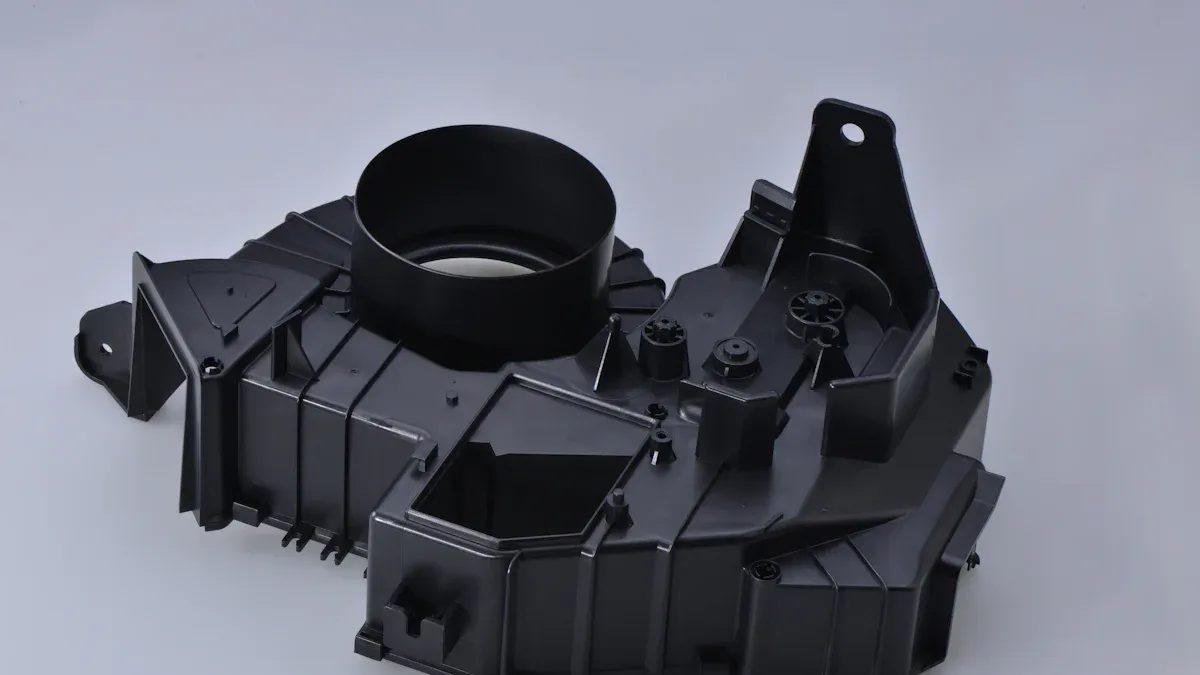
Tungsten Alloy MIM boasts a high density, typically around 18.5 g/cm³. This characteristic provides significant advantages in various applications. The high density contributes to the robustness and durability of components, making them ideal for heavy-duty machinery and radiation shielding. Industries that require materials capable of withstanding extreme conditions often prefer tungsten alloys due to their ability to absorb energy and resist deformation.
| Density (g/cm³) | Application Benefits |
|---|---|
| 18.5 | Robust and durable materials for heavy-duty machinery and radiation shielding. |
Superior Hardness
Another notable advantage of Tungsten Alloy MIM is its superior hardness. The hardness of tungsten alloys makes them suitable for applications that demand exceptional wear resistance. For instance, the W-5Ni-2Cu alloy achieves a Rockwell hardness of 35, while other tungsten alloys exhibit impressive Vickers hardness values. This hardness ensures that components maintain their shape and functionality even under abrasive conditions.
| Tungsten Alloy | Vickers Hardness (VHN) | Rockwell Hardness (HRC) |
|---|---|---|
| W-10Cu | 280 | N/A |
| W-5Ni-2Cu | N/A | 35 |
Excellent Wear Resistance
Tungsten Alloy MIM excels in wear resistance, making it a preferred choice for applications involving friction and abrasion. The material’s hardness contributes to its ability to withstand wear over time, ensuring longevity and reliability. Industries such as aerospace and defense benefit from this property, as components must endure harsh environments without significant degradation. The excellent wear resistance of tungsten alloys reduces maintenance costs and extends the lifespan of critical parts.
High Melting Point
Tungsten Alloy MIM stands out due to its exceptionally high melting point, which significantly influences its performance in high-temperature applications. Tungsten boasts a melting point of 3422°C (6192°F), a figure that far exceeds that of stainless steel, which typically fails at temperatures ranging from 1370°C to 1540°C. This remarkable property makes tungsten alloys particularly suitable for environments where extreme heat is a factor.
The high melting point of tungsten alloys offers several advantages:
- Thermal Stability: Tungsten alloys maintain their structural integrity even under intense heat. This stability is crucial for components used in aerospace applications, where materials must endure extreme temperatures during flight.
- Enhanced Performance: In nuclear reactors, tungsten alloys can withstand high thermal loads without deforming. This capability ensures reliable operation in critical systems where failure is not an option.
- Alloy Variations: Tungsten-rhenium and tungsten-molybdenum alloys further enhance properties such as ductility and corrosion resistance. These variations allow engineers to tailor materials for specific high-temperature applications, ensuring optimal performance.
The ability to operate at elevated temperatures without compromising strength or durability positions tungsten alloys as a preferred choice in industries that demand high-performance materials. For instance, aerospace engineers often select tungsten alloys for components like turbine blades and heat shields. These parts require materials that can withstand not only high temperatures but also the stresses associated with rapid changes in temperature.
In contrast, stainless steel, while versatile and cost-effective, does not match the thermal capabilities of tungsten alloys. The limitations of stainless steel in high-temperature environments can lead to material degradation, which may compromise the safety and efficiency of critical applications.
Disadvantages of Tungsten Alloy MIM
Cost Considerations
One significant disadvantage of Tungsten Alloy MIM is its high cost. The production process involves expensive raw materials and intricate manufacturing techniques. The price of tungsten itself is notably higher than that of many other metals, which can lead to increased overall costs for components. This factor often limits the use of tungsten alloys to specialized applications where performance justifies the expense. Industries must weigh the benefits against the financial implications when considering Tungsten Alloy MIM for their projects.
Machinability Challenges
Machining tungsten alloys presents several challenges that can complicate production. The hardness and density of tungsten alloys make them difficult to work with, often requiring specialized tools and techniques. Common machining challenges include:
| Challenge | Solution |
|---|---|
| Tolerances | Achievable tolerances depend on tooling precision, feedstock quality, and process parameters. |
| Feedstock Quality | Use ultrafine powders to enhance flow behavior and dimensional consistency. |
| Sintering Conditions | Calculate and adjust for 15-20% volumetric shrinkage in mold design. |
| Design Rules | Follow principles like uniform wall thickness and appropriate draft angles. |
| Microstructure Control | Employ jet milling techniques to improve powder characteristics and flow properties. |
These challenges necessitate careful planning and execution during the manufacturing process. Engineers must consider these factors to ensure that the final products meet the required specifications and performance standards.
Limited Availability
Limited availability of tungsten alloys can also pose challenges for manufacturers. The supply chain for tungsten is often subject to fluctuations due to geopolitical factors and mining restrictions. As a result, sourcing tungsten alloys can become problematic, leading to potential delays in production schedules. Companies may find it difficult to secure consistent supplies, which can hinder their ability to meet customer demands. This limitation can be particularly impactful in industries that require rapid turnaround times and reliable material availability.
Properties of Stainless Steel MIM
Material Composition
Stainless Steel MIM consists primarily of iron, chromium, and nickel. The chromium content typically ranges from 10.5% to 30%, which provides the alloy with its corrosion-resistant properties. Nickel enhances ductility and toughness, making stainless steel suitable for various applications. Other alloying elements, such as molybdenum and manganese, may also be present to improve specific characteristics. The most common grades used in MIM processes include 304 and 316 stainless steels, known for their excellent balance of strength and corrosion resistance.
Mechanical Properties
Stainless Steel MIM exhibits a range of mechanical properties that make it versatile for numerous applications. The following table summarizes key mechanical property values:
| Property | Value |
|---|---|
| Ultimate Tensile Strength | 520 – 750 MPa |
| Yield Strength | 210 – 300 MPa |
| Hardness | 150 – 250 VHN |
| Modulus of Elasticity | 28 × 10⁶ PSI |
These properties highlight the strength and durability of stainless steel. The tensile strength ensures that components can withstand significant loads without failure. Additionally, the hardness values indicate reasonable wear resistance, making stainless steel suitable for various industrial applications.
Thermal Properties
Stainless Steel MIM demonstrates favorable thermal properties, which contribute to its performance in various environments. The thermal conductivity of stainless steel typically ranges from 15 to 25 W/mK, depending on the specific grade. This property allows for effective heat dissipation in applications such as heat exchangers and cooking equipment.
Moreover, stainless steel exhibits a melting point between 1370°C and 1540°C. This range allows it to maintain structural integrity under moderate to high-temperature conditions. However, it is essential to note that while stainless steel performs well in many scenarios, it may not withstand extreme temperatures as effectively as tungsten alloys.
Tip: When selecting stainless steel for specific applications, consider the grade and its thermal properties to ensure optimal performance.
Corrosion Resistance
Corrosion resistance plays a crucial role in determining the suitability of materials for various applications. Both Tungsten Alloy MIM and Stainless Steel MIM exhibit distinct corrosion resistance characteristics, making them valuable in different environments.
Tungsten Alloy MIM demonstrates exceptional corrosion resistance due to its unique composition. Key features include:
- Oxidation Resistance: Tungsten alloys resist oxidation at high temperatures. This property allows them to maintain structural integrity in extreme conditions, such as aerospace applications.
- Chemical Resistance: Tungsten alloys withstand exposure to many corrosive chemicals. They perform well in environments containing acids, alkalis, and other aggressive substances, making them ideal for chemical processing industries.
- Surface Treatments: Manufacturers often apply surface treatments to enhance corrosion resistance. Techniques such as coating or plating further protect tungsten alloys from environmental factors.
In contrast, Stainless Steel MIM also offers commendable corrosion resistance, primarily due to its chromium content. Notable aspects include:
- Pitting Resistance: Stainless steel exhibits good resistance to pitting corrosion, especially in chloride-rich environments. This quality makes it suitable for marine applications and settings with saltwater exposure.
- Passivation: The passivation process enhances stainless steel’s corrosion resistance. This treatment creates a thin, protective layer that shields the metal from corrosive agents.
- Versatility: The corrosion resistance of stainless steel varies based on its grade. For example, austenitic stainless steels, such as 304 and 316, provide superior resistance compared to ferritic grades.
| Material | Corrosion Resistance Features |
|---|---|
| Tungsten Alloy MIM | Excellent oxidation and chemical resistance |
| Stainless Steel MIM | Good pitting resistance and passivation |
Both materials excel in corrosion resistance, but their effectiveness depends on the specific application. Engineers must consider environmental factors when selecting the appropriate material. For instance, tungsten alloys may be preferable in high-temperature and chemically aggressive environments, while stainless steel may be more suitable for applications requiring good pitting resistance and cost-effectiveness.
Tip: When choosing between Tungsten Alloy MIM and Stainless Steel MIM, assess the specific environmental conditions and performance requirements to ensure optimal material selection.
Advantages of Stainless Steel MIM
Cost-Effectiveness
Stainless Steel MIM offers significant cost advantages compared to other metal injection molding materials. While low alloy steels are cheaper, they lack the corrosion resistance that stainless steel provides. Tool steels may offer high hardness but do not match the corrosion resistance of stainless steel, making the latter a balanced alternative. Biocompatible alloys, such as MIM 316L, present a cost-effective option for medical applications when compared to titanium.
- MIM feedstock costs can reach up to $12 per pound, which is higher than conventional powder metallurgy, priced at $1-2 per pound.
- Stainless steels like 316L and 17-4PH are approximately 30% more expensive than carbon steels, such as 42CrMo4.
- The sintering process for stainless steels requires a hydrogen atmosphere, increasing overall costs compared to carbon steels that can utilize a less expensive nitrogen atmosphere.
These factors contribute to the overall cost-effectiveness of Stainless Steel MIM, especially when considering its performance and durability in various applications.
Good Corrosion Resistance
Corrosion resistance is a hallmark of Stainless Steel MIM, making it suitable for a wide range of environments. The chromium content in stainless steel forms a protective oxide layer, which prevents rust and degradation. This property is particularly beneficial in industries where exposure to moisture and corrosive substances is common.
- Pitting Resistance: Stainless steel exhibits good resistance to pitting corrosion, especially in chloride-rich environments, making it ideal for marine applications.
- Passivation: The passivation process enhances corrosion resistance, creating a thin protective layer that shields the metal from corrosive agents.
These characteristics ensure that components made from Stainless Steel MIM maintain their integrity and performance over time, even in challenging conditions.
Versatility in Applications
Stainless Steel MIM demonstrates remarkable versatility across various sectors. Its unique properties allow it to be used in diverse applications, from medical devices to automotive components. The following table highlights some common application sectors and their key benefits:
| Application Sector | Examples of Components | Key Benefits |
|---|---|---|
| Medical & Dental | Surgical instruments, orthopedic implants | Part consolidation, biocompatibility, high strength, sterilizability |
| Automotive | Fuel injection systems, turbocharger components | High-pressure resistance, corrosion resistance, high-temperature resistance |
| Consumer Electronics | Smartphone hinges, wearable device cases | Exceptional strength-to-size ratio, premium aesthetic quality, precision |
| Industrial Equipment | Valve & pump components, firearm components | Excellent corrosion resistance, high-volume precision manufacturing |
This versatility allows manufacturers to leverage Stainless Steel MIM in various applications, ensuring that they meet specific performance requirements while benefiting from cost efficiencies.
Ease of Machining
Machining plays a crucial role in the manufacturing process of components made from both Tungsten Alloy MIM and Stainless Steel MIM. However, the ease of machining varies significantly between these two materials, impacting production efficiency and cost.
Stainless Steel MIM offers several advantages in terms of machinability. The material’s composition allows for better control over surface roughness, leading to smoother finishes. This characteristic is essential for applications requiring precision and aesthetic quality. In contrast, traditional stainless steel exhibits variability in surface roughness based on the feed rate used during machining.
The following table summarizes key machining performance metrics for Stainless Steel MIM compared to traditional stainless steel:
| Metric | Stainless Steel MIM | Traditional Stainless Steel |
|---|---|---|
| Surface Roughness | Better control | Varies based on feed rate |
| Cutting Speeds | 90-120 m/min | 30-60 m/min for titanium |
| Tool Life | Longer | Shorter with titanium |
| Setup Times | Reduced | Longer |
The data indicates that Stainless Steel MIM allows for higher cutting speeds, ranging from 90 to 120 meters per minute. This efficiency reduces overall machining time and enhances productivity. In contrast, traditional stainless steel typically operates at lower cutting speeds, which can prolong the machining process.
Moreover, the tool life associated with Stainless Steel MIM is generally longer than that of traditional stainless steel. This longevity results from the material’s favorable properties, which reduce wear on cutting tools. Consequently, manufacturers experience fewer tool changes, leading to lower operational costs and increased efficiency.
Setup times also benefit from the use of Stainless Steel MIM. The streamlined production process allows for quicker setups, minimizing downtime. This efficiency is particularly advantageous in high-volume manufacturing environments where time is critical.
In contrast, Tungsten Alloy MIM presents challenges in machining due to its hardness and density. While these properties contribute to the material’s strength, they complicate the machining process. Manufacturers often require specialized tools and techniques to achieve the desired tolerances. This complexity can lead to increased production times and costs.
Disadvantages of Stainless Steel MIM
Lower Density
Stainless Steel MIM typically exhibits a lower density compared to Tungsten Alloy MIM. The density of stainless steel generally ranges from 7.5 to 8.0 g/cm³, which is significantly less than the 18.5 g/cm³ of tungsten alloys. This lower density can impact applications requiring heavy materials for stability or energy absorption. For instance, industries that rely on high-density materials for radiation shielding or heavy machinery may find stainless steel inadequate.
Reduced Hardness
The hardness of stainless steel MIM varies by grade, but it generally falls short of tungsten alloys. Common grades like 17-4PH and 440C have hardness values ranging from 30 to 45 HRC. In contrast, tungsten alloys can achieve hardness levels exceeding 35 HRC, making them more suitable for wear-resistant applications. The lower hardness of stainless steel means that components may wear down more quickly under abrasive conditions. This limitation can lead to increased maintenance costs and reduced lifespan for parts used in demanding environments.
- Typical Hardness Values:
- 17-4PH: 35 – 45 HRC
- 440C: 30 – 39 HRC
These values indicate that while stainless steel can perform adequately in many applications, it may not withstand the same level of wear as tungsten alloys.
Temperature Limitations
Stainless Steel MIM also faces temperature limitations that can restrict its use in high-heat applications. The melting point of stainless steel typically ranges from 1370°C to 1540°C, which is lower than that of tungsten alloys. This limitation can lead to material degradation in extreme environments.
| Temperature Range (°C) | Implication |
|---|---|
| 150–370 | High hardness and better mechanical properties |
| 425–600 | Risk of temper brittleness |
| 400–550 | Reduced impact properties and corrosion resistance |
As temperatures approach the upper limits, stainless steel may experience a loss of mechanical properties, including toughness and corrosion resistance. This degradation can compromise the integrity of components in applications such as aerospace or automotive, where high temperatures are common. Engineers must carefully consider these temperature limitations when selecting materials for critical applications.
Comparative Analysis
Key Differences in Properties
When comparing Tungsten Alloy MIM and Stainless Steel MIM, several key differences emerge in their properties. The following table summarizes these distinctions:
| Property | Stainless Steel MIM | Tungsten Alloy MIM |
|---|---|---|
| Corrosion Resistance | Excellent corrosion resistance | Shows some resistance to non-oxidizing environments but oxidizes readily in air above ~400 °C and is less corrosion-resistant than stainless steel. |
| Strength | Varies by grade, but generally offers good mechanical strength. | Has very high tensile strength at elevated temperatures, but at room temperature, it is brittle and less tough than stainless steels. |
| Thermal Conductivity | Moderate thermal conductivity; not as high as metals like copper or aluminum. | Moderate thermal conductivity, lower than that of copper or aluminum, but suitable for some applications. |
| Ductility | Good ductility allows for forming and shaping into various configurations. | Has very low ductility at room and low temperatures, becoming brittle below its ductile-to-brittle transition (~200-400 °C). |
| Melting Point | Relatively high melting point, with variations among different grades. | Extremely high melting point, at approximately 3,422 °C (6,192 °F), making it ideal for high-temperature applications. |
| Cost | Varies depending on the grade and availability; can be cost-effective for many applications. | Relatively expensive due to its scarcity and complex extraction process. |
These differences highlight the suitability of each material for specific applications. For instance, while stainless steel offers good ductility and corrosion resistance, tungsten alloys excel in high-temperature environments due to their superior strength and melting point.
Application Scenarios
The choice between Tungsten Alloy MIM and Stainless Steel MIM often depends on the specific application requirements. Here are some common scenarios where each material shines:
- Tungsten Alloy MIM:
- Aerospace Components: Used in turbine blades and heat shields due to high melting points and thermal stability.
- Medical Devices: Ideal for radiation shielding applications where high density is crucial.
- Defense Applications: Preferred for armor-piercing projectiles and other military hardware requiring exceptional strength.
- Stainless Steel MIM:
- Consumer Products: Commonly found in kitchenware and appliances due to its corrosion resistance and aesthetic appeal.
- Automotive Parts: Utilized in fuel systems and exhaust components where moderate strength and corrosion resistance are necessary.
- Medical Instruments: Employed in surgical tools and implants, benefiting from biocompatibility and ease of machining.
These application scenarios illustrate how the unique properties of each material cater to different industry needs.
Performance in Extreme Conditions
Both materials exhibit distinct performance characteristics under extreme conditions. The following table outlines their capabilities:
| Material Type | High Temperature Performance | Corrosion Resistance | Structural Integrity |
|---|---|---|---|
| Tungsten Alloy MIM | Excellent due to high melting point and thermal resistance | High, maintains integrity under harsh conditions | Superior, retains shape and strength under stress |
| Stainless Steel MIM | Good, but requires careful heat treatment | Good, but needs thorough cleaning | Moderate, can deform under extreme stress |
Tungsten Alloy MIM demonstrates superior performance in high-temperature environments, making it suitable for applications where heat resistance is critical. Conversely, Stainless Steel MIM performs well in moderate conditions but may require additional treatments to maintain its integrity under extreme stress.
Cost-Benefit Analysis
When evaluating the cost-effectiveness of Tungsten Alloy MIM and Stainless Steel MIM, several factors come into play. Each material presents unique advantages and disadvantages that influence overall costs. Below is a breakdown of key considerations for both materials.
Initial Material Costs
- Tungsten Alloy MIM:
- Higher raw material costs due to the scarcity of tungsten.
- Production processes are more complex, leading to increased manufacturing expenses.
- Stainless Steel MIM:
- Generally lower raw material costs.
- More straightforward production processes contribute to reduced manufacturing expenses.
Long-Term Performance and Durability
- Tungsten Alloy MIM:
- Exceptional hardness and wear resistance lead to longer-lasting components.
- Reduced maintenance costs due to durability in harsh environments.
- Stainless Steel MIM:
- Good corrosion resistance ensures longevity in many applications.
- May require more frequent replacements in high-wear scenarios, increasing long-term costs.
Application-Specific Considerations
| Factor | Tungsten Alloy MIM | Stainless Steel MIM |
|---|---|---|
| High-Temperature Use | Excellent performance; ideal for aerospace and defense applications. | Limited performance; may degrade under extreme heat. |
| Corrosive Environments | Strong resistance; suitable for chemical processing. | Good resistance; effective in marine applications. |
| Heavy-Duty Applications | High density provides stability and energy absorption. | Lower density may not meet requirements for heavy-duty use. |
Overall Cost-Benefit Summary
- Tungsten Alloy MIM:
- Pros:
- Superior performance in extreme conditions.
- Long-term savings due to durability.
- Cons:
- Higher initial costs.
- Machinability challenges can increase production time.
- Pros:
- Stainless Steel MIM:
- Pros:
- Cost-effective for a wide range of applications.
- Easier to machine, leading to faster production times.
- Cons:
- May not perform as well in extreme conditions.
- Potentially higher long-term costs due to wear and replacement.
- Pros:
Tip: When conducting a cost-benefit analysis, consider both initial and long-term costs. Evaluate the specific application requirements to determine which material offers the best value.
Choosing Between Tungsten Alloy MIM and Stainless Steel MIM
Application-Specific Considerations
Selecting between Tungsten Alloy MIM and Stainless Steel MIM often hinges on the specific application requirements. Each material offers unique properties that cater to different industry needs.
- Tungsten Alloy MIM excels in high-stress environments. Its high density and superior hardness make it ideal for applications in aerospace, defense, and medical devices. For instance, components like turbine blades and radiation shielding benefit from tungsten’s exceptional strength and thermal stability.
- Stainless Steel MIM, on the other hand, provides versatility across various sectors. Its corrosion resistance and ease of machining make it suitable for consumer products, automotive parts, and medical instruments. Industries often favor stainless steel for applications where cost-effectiveness and aesthetic appeal are essential.
Engineers must evaluate the specific demands of their projects. They should consider factors such as environmental conditions, mechanical stress, and the required lifespan of the components.
Budget Constraints
Budget constraints significantly influence the choice between Tungsten Alloy MIM and Stainless Steel MIM. The initial tooling costs for metal injection molding (MIM) can be substantial, making it less viable for low-volume production runs. Therefore, the choice of material will depend on the project’s budget and the required production volume.
The following table illustrates the pricing differences between these materials:
| Material | Pricing (per kg) |
|---|---|
| Stainless Steel 17-4 PH | $25 – $30 |
| Stainless Steel 316L | $20 – $25 |
| Tungsten Heavy Alloy | $60 – $80 |
As shown, tungsten alloys are significantly more expensive than stainless steel options. This price difference can deter manufacturers from using tungsten alloys in projects with tight budgets. In contrast, stainless steel offers a more economical solution for many applications, allowing for broader use in various industries.
Performance Requirements
Performance requirements play a crucial role in material selection. Tungsten Alloy MIM and Stainless Steel MIM exhibit distinct characteristics that cater to different performance needs.
- Tungsten Alloy MIM provides exceptional performance in extreme conditions. Its high melting point and excellent wear resistance make it suitable for high-temperature applications. Components made from tungsten alloys maintain their integrity under stress, ensuring reliability in critical systems.
- Stainless Steel MIM offers good performance in moderate conditions. While it may not withstand extreme temperatures as effectively as tungsten alloys, it excels in corrosion resistance. This property makes stainless steel a preferred choice for applications exposed to moisture and corrosive substances.
Ultimately, engineers must balance performance requirements with budget constraints and application-specific considerations. By carefully evaluating these factors, they can make informed decisions that align with their project goals.
Long-Term Durability
Long-term durability is a critical factor when selecting materials for various applications. Both Tungsten Alloy MIM and Stainless Steel MIM exhibit distinct characteristics that influence their longevity and performance over time.
Tungsten Alloy MIM Durability
Tungsten Alloy MIM demonstrates exceptional durability due to its unique properties. The following factors contribute to its long-term performance:
- High Hardness: Tungsten alloys possess superior hardness, which allows them to resist wear and deformation. This characteristic is particularly beneficial in applications involving friction and abrasion.
- Thermal Stability: With a melting point of approximately 3422°C (6192°F), tungsten alloys maintain structural integrity under extreme heat. This stability ensures that components do not degrade or lose functionality in high-temperature environments.
- Corrosion Resistance: Tungsten alloys exhibit excellent resistance to oxidation and many corrosive chemicals. This property allows them to maintain their performance in harsh environments, reducing the need for frequent replacements.
Tip: Industries that require materials capable of withstanding extreme conditions, such as aerospace and defense, often prefer tungsten alloys for their long-term durability.
Stainless Steel MIM Durability
Stainless Steel MIM also offers commendable durability, although it differs from tungsten alloys in several key aspects:
- Corrosion Resistance: The chromium content in stainless steel forms a protective oxide layer, enhancing its resistance to rust and degradation. This feature is crucial for applications exposed to moisture and corrosive substances.
- Ductility: Stainless steel’s ductility allows it to absorb energy and deform without breaking. This property contributes to its longevity in applications where mechanical stress is common.
- Versatility: Stainless steel can be tailored to meet specific performance requirements through various alloying elements. This versatility enables manufacturers to select grades that optimize durability for particular applications.
| Material Type | Key Durability Features |
|---|---|
| Tungsten Alloy MIM | High hardness, thermal stability, excellent corrosion resistance |
| Stainless Steel MIM | Good corrosion resistance, ductility, versatility |
Conclusion on Long-Term Durability
In summary, both Tungsten Alloy MIM and Stainless Steel MIM offer long-term durability, but their suitability depends on the specific application. Tungsten alloys excel in extreme conditions, while stainless steel provides reliable performance in moderate environments. Engineers must evaluate the unique properties of each material to ensure optimal performance and longevity in their projects.
In summary, both Tungsten Alloy MIM and Stainless Steel MIM offer unique advantages and disadvantages.
- Tungsten Alloy MIM excels in high-temperature applications, providing superior hardness and corrosion resistance.
- Stainless Steel MIM stands out for its cost-effectiveness and versatility across various industries.
Tip: When selecting a material, consider the specific application requirements, budget constraints, and long-term durability needs. This approach ensures optimal performance and value for your projects.
FAQ
What is Metal Injection Molding (MIM)?
Metal Injection Molding (MIM) combines powdered metal and a binder to create complex shapes. Manufacturers use this process to produce high-precision components efficiently, making it ideal for both tungsten alloys and stainless steel.
What are the main applications of Tungsten Alloy MIM?
Tungsten Alloy MIM finds applications in aerospace, defense, and medical industries. Its high density and exceptional hardness make it suitable for components like turbine blades, radiation shielding, and armor-piercing projectiles.
How does Stainless Steel MIM compare in cost?
Stainless Steel MIM generally offers a more cost-effective solution than Tungsten Alloy MIM. Its lower raw material costs and simpler production processes make it attractive for various applications, especially in consumer products and automotive parts.
What factors influence the choice between these materials?
Engineers consider application requirements, budget constraints, and performance needs when choosing between Tungsten Alloy MIM and Stainless Steel MIM. Each material has unique properties that cater to specific industry demands.
Can Tungsten Alloy MIM be machined easily?
Machining Tungsten Alloy MIM presents challenges due to its hardness and density. Manufacturers often require specialized tools and techniques to achieve desired tolerances, which can increase production time and costs.
What are the corrosion resistance properties of both materials?
Tungsten Alloy MIM exhibits excellent oxidation and chemical resistance, making it suitable for harsh environments. Stainless Steel MIM offers good pitting resistance and passivation, making it effective in moisture-rich applications.
How do temperature limits affect material selection?
Tungsten Alloy MIM performs well in high-temperature environments due to its high melting point. In contrast, Stainless Steel MIM may degrade under extreme heat, limiting its use in applications requiring thermal stability.
Is there a significant difference in density between the two materials?
Yes, Tungsten Alloy MIM has a much higher density (around 18.5 g/cm³) compared to Stainless Steel MIM (7.5 to 8.0 g/cm³). This difference impacts applications requiring heavy materials for stability or energy absorption.