
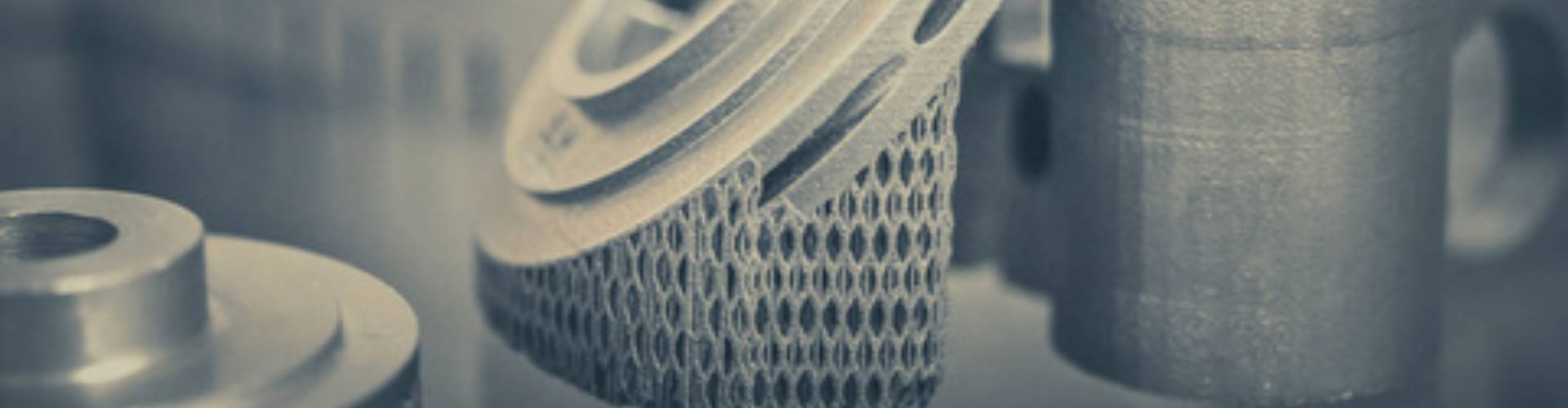
Sintered Stainless Steel Parts: Features, Process & Application Guide
Sintered stainless steel components are widely recognized for combining exceptional mechanical strength, complex shape capability, and superior corrosion resistance with high-volume cost efficiency. By utilizing advanced powder metallurgy (PM) and metal injection molding (MIM) processes, manufacturers can produce dense, net-shape parts tailored for automotive, aerospace, medical, and industrial electronics applications.
Key Advantages at a Glance:
- High Precision & Complex Geometries: Easily forms undercuts, internal cross-holes, and intricate contours without extensive CNC machining.
- Mass Production Efficiency: High-repeatability tooling enables cost-effective batch production of tens of thousands of units.
- Tailored Alloy Selection: Compatible with 303L, 304L, 316L, 17-4 PH, and 400-series powders to match specific mechanical and corrosion requirements.
Core Features of Sintered Stainless Steel Components
1. Exceptional Wear Resistance and Mechanical Strength
Through solid-state metallurgical diffusion during sintering, metal powder particles bond tightly together. This creates parts with high final density, excellent tensile strength, and superior fatigue resistance. Combined with the intrinsic hardness of stainless steel alloys, these parts maintain reliable performance under severe friction and harsh operating environments.
2. Complex Net-Shape Design Capabilities
Unlike conventional subtractive machining which requires multiple setups and expensive tooling wear, sintering achieves complex three-dimensional shapes in a single press or molding cycle. Geometries with concave/convex surfaces, spline teeth, internal keyways, and special-shaped holes are manufactured with high dimensional accuracy.
3. High Efficiency for Scalable Mass Production
The powder metallurgy process allows large quantities of metal powder to be formed into finished components simultaneously. This automated, continuous workflow drastically shortens manufacturing lead times and reduces unit costs for OEM mass production.
Overview of the Sintered Stainless Steel Process Flow
Producing precision sintered parts involves four core manufacturing stages:
- Powder Preparation & Blending: High-purity stainless steel powders are precisely blended with organic lubricants or binder agents to ensure optimal powder flow and compaction consistency.
- Mold Filling: The homogenized powder blend is uniformly fed into high-precision tool steel or carbide die cavities.
- Compaction / Injection Molding: High mechanical pressure forms the powder into a “green compact,” establishing initial particle mechanical interlocking.
- High-Temperature Sintering: Green parts pass through continuous protective-atmosphere furnaces (typically 1100°C–1350°C), triggering solid-state particle diffusion and final densification.
Application Matrix: Sintered Stainless Steel Parts & Alloy Selection
Selecting the correct stainless steel grade is vital to achieving optimal balance between mechanical performance, corrosion resistance, and cost. The table below outlines common industrial applications and recommended material grades:
| Industry / Field | Component / Part Name | Recommended Stainless Steel Grade |
|---|---|---|
| Automotive | ABS Sensor Rings, Sensor Hubs | 409L, 410L, 434L |
| Brake System Components | 434L | |
| Rearview Mirror Brackets, Seat Belt Latches | 304L, 316L | |
| Windshield Wiper Gears & Holders | 316L, 410L | |
| Exhaust System Flanges | 409L, 434L | |
| Manifold Heating Control Valves | 304L | |
| Medical Devices | Surgical Scalpel & Knife Handles | 17-4 PH (SUS630) |
| Biopsy Forceps & Anesthetic Evaporators | 316L | |
| Dental Equipment & Brackets | 304L | |
| Hearing Aid Housings | 316L | |
| Aerospace & Marine | Jet Fuel Refueling Impellers, Galley Locks | 316L |
| Propeller Thrust Hubs | 316L | |
| CAM Marine Bollards | 304L | |
| Household Appliances | Dishwasher & Garbage Disposal Parts | 304LSC, 410L |
| Coffee & Pepper Grinder Burrs | 420, 440C | |
| Blender & Meat Grinder Blades | 303L, 420 | |
| Kettle Handles & Juicer Components | 316L, 316LSC | |
| Hardware & Industrial | High-Security Lock Components, Fasteners | 303L, 304L, 316L |
| Liquid & Gas Filters, Cartridges | 304L-Si, 316L-Si | |
| Barber & Wool Shears Blades | 430, 440C | |
| Water & Gas Meter Components | 316LSC | |
| Electronics & Wearables | Computer & Smartphone Exterior Hinge Parts | 316L |
| Watch Cases, Straps & ATM Keys | 316L, 316LSC, 830 |
Need Custom Sintered Stainless Steel Solutions?
Selecting the optimal stainless steel powder grade and tooling design is crucial for ensuring component longevity and minimizing production costs. To learn more about the technical kinetics behind sintering, read our In-Depth Stainless Steel Sintering Guide.
Ready to manufacture custom sintered parts?
At JH MIM, we provide end-to-end Design for Manufacturability (DFM) support, precision mold design, and mass production for custom powder metallurgy components.
👉 Contact Our Metallurgical Engineers Today for a Free DFM & Quote →
The sintered stainless steel process is widely used in the stainless steel parts manufacturing industry. JH MIM can produce high-strength, wear-resistant parts for a variety of harsh working environments. The sintering process can also produce complex shape parts and achieve mass production, and improve production efficiency. Therefore, the stainless steel sintering process plays an important role in the field of stainless steel manufacturing.