
Key Takeaways
When choosing between zirconia and alumina ceramics, understanding their distinct properties and cost implications is crucial for optimal material selection in your specific application.
• Alumina excels in hardness and cost-effectiveness – offers 15-17 GPa hardness, superior thermal conductivity (20-30 W/m·K), and significantly lower material costs for budget-conscious projects
• Zirconia dominates in toughness and strength – delivers 5-15 MPa·m^1/2 fracture toughness, 900-1200 MPa flexural strength, and superior biocompatibility for medical applications
• Application requirements drive material choice – select alumina for abrasive environments, electronic substrates, and high-temperature processes; choose zirconia for impact-resistant components and medical implants
• Cost versus performance trade-offs matter – alumina provides economical solutions for standard applications, while zirconia’s premium pricing is justified when enhanced durability prevents costly failures
• Hybrid solutions offer balanced performance – zirconia toughened alumina composites deliver 20-30% strength increases over pure alumina, combining the benefits of both materials
The key is matching material properties to your specific requirements rather than assuming one ceramic is universally superior. Consider factors like operating temperature, mechanical stress, chemical exposure, and budget constraints to make the optimal choice for your application. 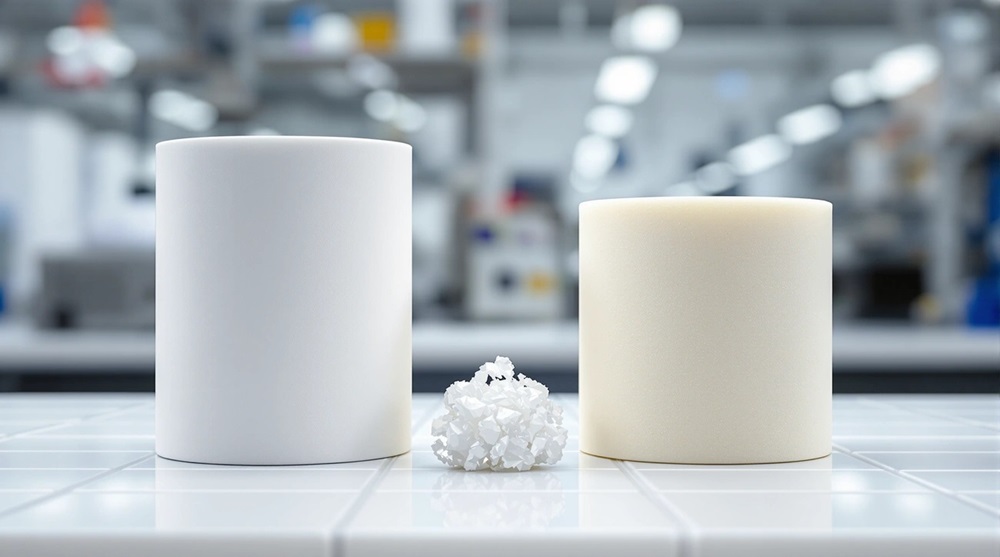
Understanding Alumina and Zirconia: Material Basics
What is Alumina (Aluminum Oxide)?
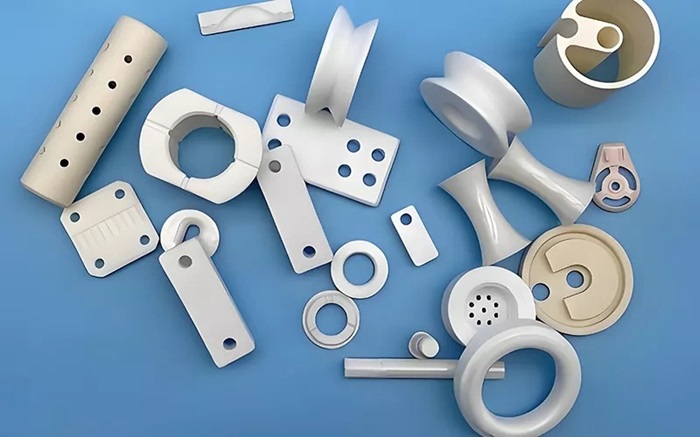
Alumina (Al₂O₃) represents the most common ceramic material in industrial applications. This crystalline oxide exists in nature as corundum. It has a density of 3.97 g/cm³ and exceptional hardness that ranges from 1500-2000 Vickers. The material exhibits a melting point of 2072°C and can be used in extreme temperature environments. Thermal conductivity measures 20-30 W/m·K and provides adequate heat dissipation for many engineering scenarios. Alumina’s electrical insulation properties combine with corrosion resistance and biocompatibility. This makes it suitable for medical implants, cutting tools and electronic substrates.
What is Zirconia (Zirconium Dioxide)?
Zirconia (ZrO₂) demonstrates superior mechanical performance compared to alumina. The material undergoes phase transformations between monoclinic (stable below 1170°C) and tetragonal structures. These depend on temperature. Compression resistance reaches 2000 MPa, while bending strength spans 900-1200 MPa. Fracture toughness achieves 5-10 MPa·m^1/2. This is a big deal as it means that alumina’s brittleness limitations are far surpassed. Zirconia’s density of 5.68 g/cm³ contributes to its structural robustness. Stabilizing agents like yttria allow retention of tetragonal phases at room temperature and activate transformation toughening mechanisms under stress.
Zirconia Toughened Alumina: A Hybrid Solution
Zirconia toughened alumina composites contain 10-20% zirconia dispersed throughout the alumina matrix. This configuration produces a 20-30% strength increase over pure alumina. The boost occurs through stress-induced phase transformation of metastable tetragonal zirconia grains. These undergo 3-5% volume expansion when cracks propagate. Zirconia particles occupy intragranular positions within alumina grains or intergranular locations at grain boundaries. Both distributions contribute to crack deflection and energy absorption mechanisms.
Key Manufacturing Processes for Both Materials
Alumina production uses the Bayer process. This extracts aluminum oxide from bauxite through alkaline digestion and calcination. Sintering occurs at 1500-1700°C to achieve densification. Zirconia ceramics use similar temperature ranges but require careful control of stabilizer content and cooling rates. Advanced techniques include spark plasma sintering for rapid densification and two-step sintering protocols that minimize grain growth while maintaining density.
Aluminum Oxide vs Zirconia: Core Property Comparison
Mechanical Strength and Hardness Differences
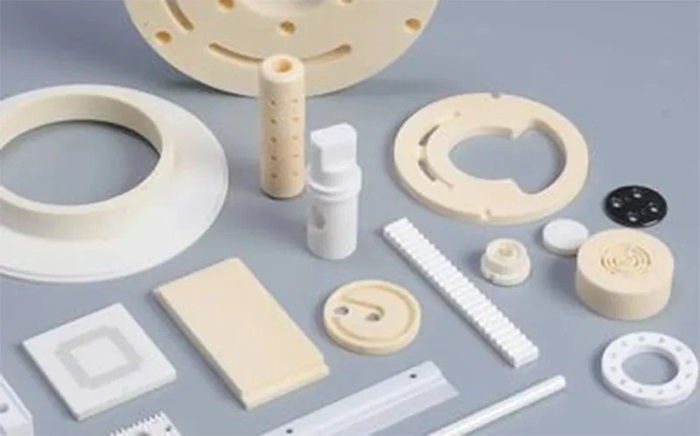
Property comparisons between zirconia and alumina reveal distinct performance profiles. Alumina achieves Vickers hardness values of 15-17.35 GPa. This is a big deal as it means that alumina surpasses zirconia’s 12-13 GPa. This hardness advantage positions alumina as the superior choice for abrasive applications and wear surfaces. Flexural strength measurements show zirconia reaching 900-1200 MPa, whereas alumina measures 300-476 MPa typically. The strength disparity stems from zirconia’s transformation toughening mechanism. Tetragonal particles convert to monoclinic phase under stress and create volume expansion that arrests crack propagation.
Thermal Performance: Temperature Limits and Conductivity
Thermal characteristics diverge between these ceramics by a lot. Alumina shows thermal conductivity of 20.9-29 W/m·K, about ten times higher than zirconia’s 2-3 W/m·K. This conductivity difference determines their thermal management applications. Zirconia functions as a thermal insulator effectively, while alumina helps with heat dissipation. Maximum operating temperatures favor zirconia at 2400°C compared to alumina’s 1750°C. Alumina shows superior thermal shock resistance though, due to lower thermal expansion coefficients.
Chemical Resistance and Stability
Both materials provide excellent corrosion resistance in acidic and alkaline environments. Alumina resists most acids except hydrofluoric acid and maintains dimensional stability during chemical exposure. Zirconia shows better alkali resistance and superior biocompatibility, explaining its prevalence in medical implants.
Fracture Toughness and Wear Resistance
Fracture toughness represents the most dramatic performance difference. Alumina’s toughness measures 4-6 MPa·m^1/2, while zirconia achieves up to 15 MPa·m^1/2. Alumina’s higher hardness produces better wear resistance in abrasive conditions. Zirconia’s toughness prevents catastrophic failure under impact loads though.
Density and Weight Considerations
Zirconia’s density of 5.68-6.05 g/cm³ exceeds alumina’s 3.97 g/cm³ and creates a 40-50% weight difference in equivalent volumes. This density variation influences component design where weight reduction drives material selection.
Cost Analysis: Production and Long-Term Value
Raw Material Costs and Availability
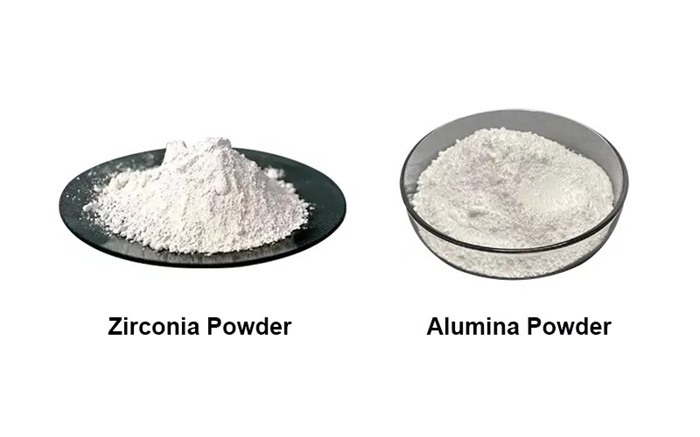
Economic considerations shape material selection between alumina and zirconia at a fundamental level. Alumina serves as the baseline to compare costs due to widespread availability of bauxite and extraction methods that have been around for decades. Raw material pricing reflects this accessibility. Alumina averages USD 0.41/kg in North America, USD 0.55/kg in China, and USD 0.45/kg in Europe as of October 2024. Zirconia costs exceed alumina because stabilization with yttrium oxide adds expense to production.
Manufacturing Complexity and Processing Time
Processing requirements contribute substantially to final component costs. Alumina production through dry pressing and firing remains straightforward. Zirconia demands sophisticated techniques including isostatic pressing and high-temperature sintering. High-purity alumina powders can cost ten times more than standard Bayer process materials. Even premium alumina grades remain favorable from an economic standpoint when matched against stabilized zirconia.
Price per Component Comparison
Component-level pricing positions alumina as the economical choice for standard applications. Zirconia’s higher material and processing costs translate to premium pricing. This premium is justified when superior toughness prevents failure in demanding wear applications.
Total Cost of Ownership in Ground Applications
Long-term value calculations must account for replacement frequency and downtime costs. Zirconia’s improved durability may offset the price premium upfront in precision components that experience high contact stress.
Choosing Between Zirconia vs Alumina for Your Application
Material selection between alumina and zirconia depends on specific application requirements rather than universal superiority.
High-Temperature Industrial Processes
Alumina maintains structural integrity up to 1750°C continuously. This makes it preferable for furnace tubes and thermocouple protection in refractory linings. Zirconia’s low thermal conductivity positions it as an insulator in thermal barrier coatings.
Medical and Biomedical Components
Zirconia toughened alumina has been deployed in over 2 million hip arthroplasty components since 2003. Zirconia’s biocompatibility and esthetic properties dominate dental implant and crown applications. Alumina serves in bone implants where hardness proves critical.
Mechanical Wear and Abrasive Applications
Abrasive environments favor alumina’s superior hardness for grinding media and wear surfaces. Zirconia excels in applications like bearing balls and valve components that are prone to impact. Toughness prevents catastrophic failure in these cases.
Electrical Insulation Requirements
Alumina provides volume resistivity exceeding 10¹⁴ Ω·cm at room temperature and establishes itself as the standard for electronic substrates and high-voltage insulators. Zirconia’s electrical properties remain adequate but secondary to alumina’s performance.
Chemical Processing Environments
Both ceramics resist acids and alkalis effectively. Zirconia demonstrates boosted stability in extreme corrosive conditions. This justifies selection when chemical aggression exceeds alumina’s resistance thresholds.
Budget-Conscious Projects
Alumina’s lower material and processing costs make it economical for applications where zirconia’s toughness advantage provides minimal functional benefit.
Comparison Table
Alumina vs Zirconia: Detailed Property Comparison
| Property | Alumina (Al₂O₃) | Zirconia (ZrO₂) |
|---|---|---|
| Chemical Formula | Al₂O₃ | ZrO₂ |
| Density | 3.97 g/cm³ | 5.68-6.05 g/cm³ |
| Hardness (Vickers) | 1500-2000 Vickers / 15-17.35 GPa | 12-13 GPa |
| Melting Point | 2072°C | Not mentioned |
| Maximum Operating Temperature | 1750°C | 2400°C |
| Thermal Conductivity | 20-30 W/m·K (20.9-29 W/m·K) | 2-3 W/m·K |
| Flexural/Bending Strength | 300-476 MPa | 900-1200 MPa |
| Fracture Toughness | 4-6 MPa·m^1/2 | 5-15 MPa·m^1/2 |
| Compression Resistance | Not mentioned | ~2000 MPa |
| Volume Resistivity | >10¹⁴ Ω·cm (room temperature) | Adequate but secondary to alumina |
| Raw Material Cost (2024) | USD 0.41-0.55/kg | Higher than alumina |
| Thermal Shock Resistance | Superior (lower thermal expansion) | Lower than alumina |
| Biocompatibility | Good (used in bone implants) | Superior (dental implants, crowns) |
| Chemical Resistance | Excellent (resists most acids except HF) | Excellent (improved alkali resistance) |
| Wear Resistance | Superior (abrasive conditions) | Good (better impact resistance) |
| Main Advantages | Higher hardness, better thermal conductivity, lower cost, better thermal shock resistance | Higher toughness, higher strength, better biocompatibility, higher max temperature |
| Typical Applications | Cutting tools, electronic substrates, furnace tubes, grinding media, high-voltage insulators | Dental implants, bearing balls, valve components, thermal barrier coatings, hip arthroplasty |
Conclusion
The alumina versus zirconia debate has no universal winner. Alumina offers superior hardness, thermal conductivity and is more affordable for abrasive applications and electronic substrates. Zirconia provides toughness and strength for medical implants and impact-resistant components.
Your choice depends on what the application requires: pick alumina for projects on a tight budget that need hardness and heat dissipation, or select zirconia when fracture toughness and biocompatibility justify the premium investment.
FAQs
Q1. What are the main differences between alumina and zirconia ceramics? Alumina offers superior hardness (1500-2000 Vickers) and thermal conductivity (20-30 W/m·K), making it ideal for abrasive applications and heat dissipation. Zirconia provides exceptional fracture toughness (5-15 MPa·m^1/2) and flexural strength (900-1200 MPa), making it better suited for impact-resistant and medical applications. Alumina is also more cost-effective, while zirconia commands a premium price due to its enhanced mechanical properties.
Q2. Which ceramic material is better for high-temperature applications? Zirconia can withstand higher maximum operating temperatures up to 2400°C compared to alumina’s 1750°C limit. However, alumina demonstrates better thermal shock resistance due to its lower thermal expansion coefficient and superior thermal conductivity. For thermal insulation applications, zirconia’s low thermal conductivity (2-3 W/m·K) makes it preferable, while alumina excels in applications requiring heat dissipation.
Q3. Why is zirconia more expensive than alumina? Zirconia costs more due to several factors: the need for stabilizing agents like yttrium oxide during production, more complex manufacturing processes including isostatic pressing and high-temperature sintering, and less abundant raw materials. Alumina benefits from widespread bauxite availability and established extraction methods, with raw material costs averaging USD 0.41-0.55/kg compared to zirconia’s premium pricing.
Q4. Which material should I choose for medical and dental applications? Zirconia is generally preferred for dental implants and crowns due to its superior biocompatibility, esthetic properties, and high strength. It has been successfully used in over 2 million hip arthroplasty components since 2003. Alumina remains suitable for bone implants where extreme hardness is critical. The choice depends on specific requirements: zirconia for toughness and esthetics, alumina for hardness and wear resistance.
Q5. What is zirconia toughened alumina and when should it be used? Zirconia toughened alumina is a hybrid composite containing 10-20% zirconia dispersed in an alumina matrix, providing a 20-30% strength increase over pure alumina. This combination leverages zirconia’s transformation toughening mechanism while maintaining alumina’s hardness and cost advantages. It’s ideal for applications requiring both wear resistance and improved fracture toughness, offering a middle-ground solution between the two pure materials.