
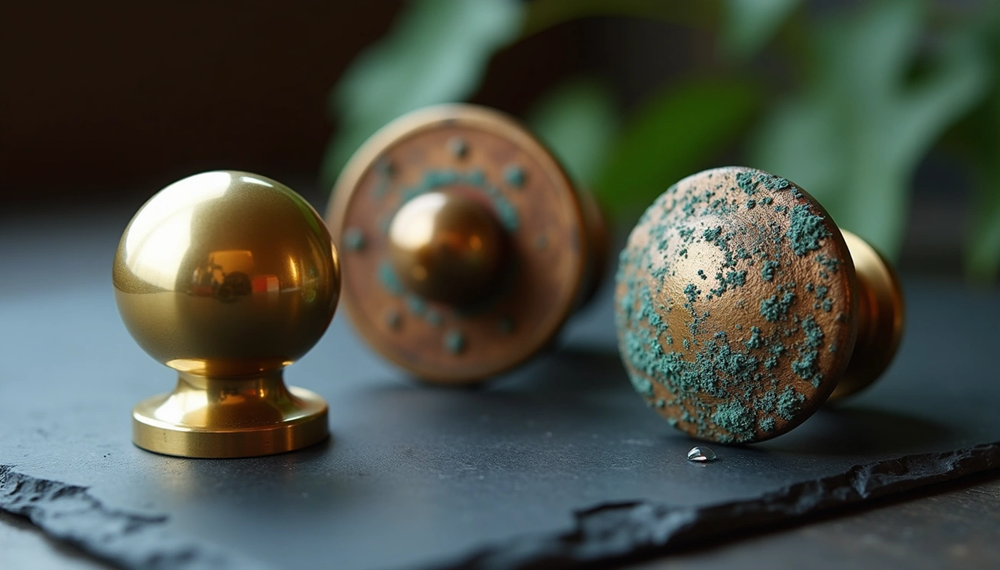
Will brass rust like iron or steel? Many people assume this common metal corrodes the same way, but the answer reveals a fundamental difference in how materials break down. Brass does not rust as such, as it does not contain iron. But brass corrosion still occurs through different mechanisms that can damage the material over time.
The properties of brass help explain why this copper-zinc alloy behaves differently from ferrous metals. Dezincification, a chemical corrosion reaction in which the zinc is removed from the material, represents one specific threat to brass integrity. When you know the difference between tarnish and rust, along with factors like humidity and chemical exposure, you can protect brass items. This piece gets into how brass corrodes and what strategies prevent it.
Why Brass Doesn’t Rust (But Does Corrode)
What Is Rust and Why It Only Affects Iron
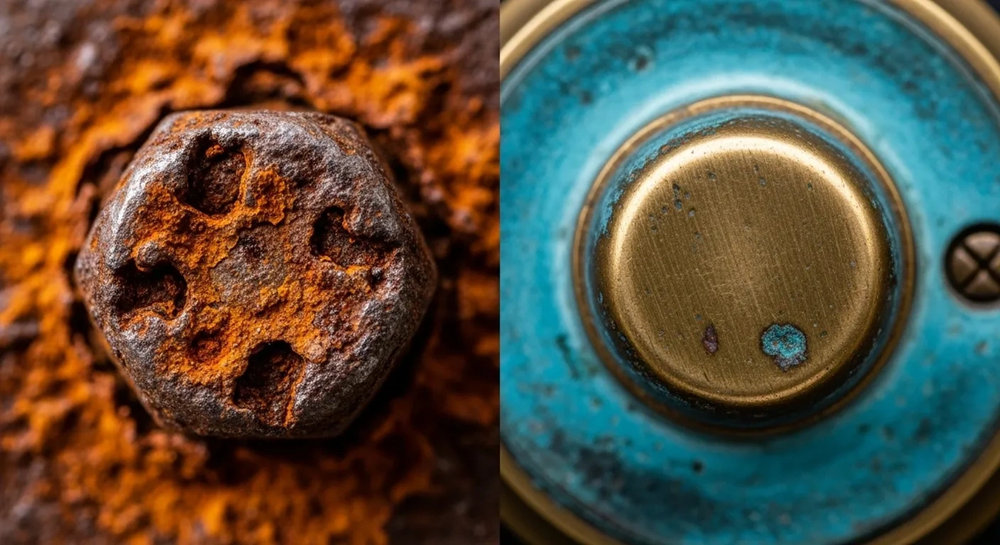
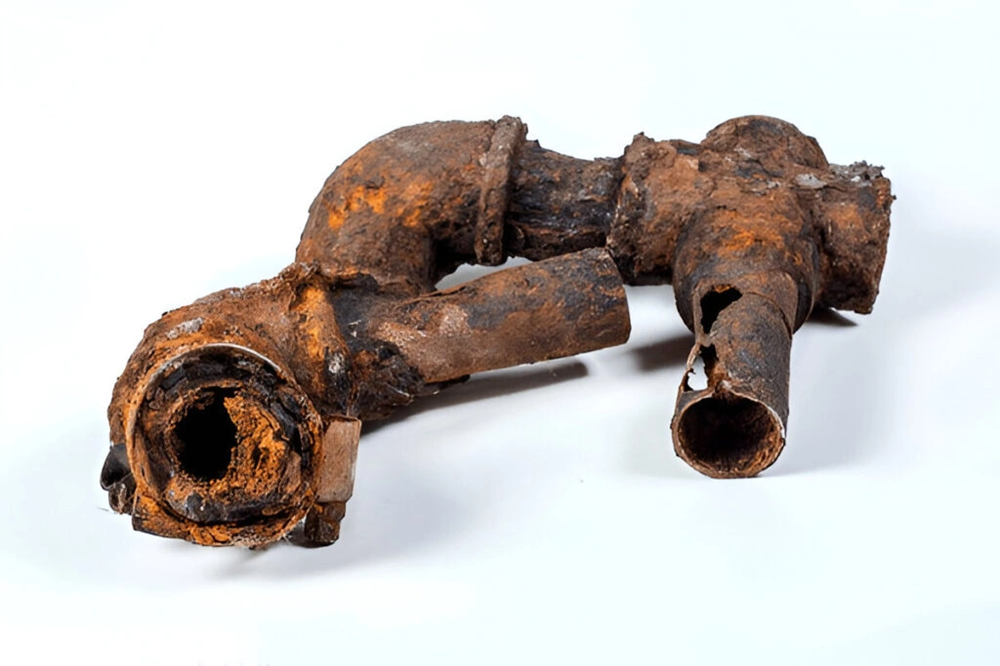
Rust refers to iron oxide, a compound formed when iron reacts with oxygen and moisture. The process produces hydrated ferric oxide, which appears as a reddish-brown, brittle coating. This reaction requires iron as a base element. Rust is exclusive to ferrous metals like steel. Iron atoms lose electrons upon exposure to oxygen and water. They form iron ions that combine with these elements to produce hydrated oxides. Salt water and polluted air accelerate rusting. They increase electrical conductivity and promote electrochemical reactions.
Brass Properties: The Copper-Zinc Alloy Composition
Brass consists of copper and zinc in proportions ranging from 55% to 95% copper and 5% to 45% zinc. This ratio determines the phase structure and properties of the alloy. Alpha brasses contain less than 35% zinc and remain malleable at room temperature. Alpha-beta alloys with more than 35% zinc suit hot working applications. Brass composition lacks iron. The alloy cannot form iron oxide, which prevents rust formation.
Tarnish vs Rust: Understanding the Biggest Difference
Tarnish shows up as a thin surface layer that darkens brass but does not flake off or penetrate deeply. Rust weakens iron structurally and spreads through the metal. Copper in brass reacts with sulfur, oxygen, or moisture and creates discolored patches we call tarnish. Tarnish often acts as a protective barrier against further corrosion, unlike the destructive nature of rust. Rust exhibits a distinctive reddish-brown hue and requires vigorous removal. Tarnish appears as a dull, brown-gray film that can be wiped away more easily.
Does Brass Oxidize? The Surface Reaction Explained
Brass oxidizes through an electrochemical process with both copper and zinc components. Brass develops a duplex oxide layer when exposed to humidified air at 90% relative humidity. The layer consists of zinc oxide (ZnO) and cuprous oxide (Cu2O). Zinc oxidizes faster due to its lower electrode potential. This creates anodic and cathodic sites on the brass surface. Selective oxidation produces ZnO in zinc-rich areas while Cu2O forms more uniformly across the surface. The total oxide mass after 72 hours in humid conditions reaches approximately 1.3 μg/cm².
Types of Brass Corrosion You Should Know
Brass corrosion demonstrates distinct forms, each with unique visual markers and structural implications. These patterns help determine appropriate maintenance strategies.
Tarnishing: The Brown-Black Surface Layer
Tarnish represents the original stage of brass corrosion and appears when the alloy encounters air and moisture. The surface develops a dull, hazy appearance that progresses from light discoloration to brown or black layers. Copper oxide (CuO) creates dark brown to black films, whereas copper dioxide (Cu₂O) produces reddish-brown coatings. Zinc oxide (ZnO) forms white or light-colored deposits in zinc-rich areas. Tarnish affects only surface appearance without reducing material strength, unlike destructive corrosion.
Verdigris: The Green-Blue Patina Formation
Verdigris forms when brass reacts with oxygen, moisture, carbon dioxide, and sulfur compounds. This greenish-blue patina consists of copper carbonates and basic copper salts that develop in outdoor or industrial settings. The color ranges from pale turquoise to rich seafoam green, depending on environmental conditions and exposure duration. Some think about verdigris as protective, but it can trap moisture and accelerate localized corrosion rather than halt the process.
Dezincification: When Zinc Leaches Out
Dezincification occurs when zinc dissolves from brass alloys and leaves behind a porous copper-rich structure with diminished mechanical strength. Brass containing more than 15% zinc shows susceptibility to this phenomenon. The surface changes from yellow brass coloring to salmon pink, then reddish, and brown as copper corrodes to cuprite. Severe dezincification creates weak, spongy metal that can perforate plumbing fixtures and cause leaks. Layer-type dezincification spreads uniformly across surfaces, while plug-type penetrates more deeply in localized areas. As a powder metallurgy expert, you can take a closer look at the dezincification or stress corrosion cracking (SCC) of brass.
Stress Corrosion Cracking (SCC) in Brass Under Load
SCC develops when brass experiences tensile stress and exposure to corrosive agents like ammonia, chlorides, or fluorides at the same time. Cracks propagate along grain boundaries under these conditions and follow transgranular paths with some intergranular fractures visible. Dezincification often accompanies SCC and creates brittle films at crack tips where stress intensity reaches maximum levels.
What Causes Brass to Corrode Faster
Environmental conditions determine how fast brass deteriorates, with specific thresholds triggering accelerated corrosion mechanisms.
Moisture and Humidity Levels
Relative humidity above 65% creates sufficient adsorbed water on brass surfaces to support electrochemical corrosion. Salt-contaminated copper alloys face moderate to high corrosion risk between 42-68% RH and escalate to very high risk above 68%. Condensation cycles concentrate dissolved chlorides and sulfates at the brass surface. This accelerates oxidation at condensation zones.
Saltwater and Marine Environments
Seawater corrosion depends on dissolved oxygen, chlorides, and biofouling organisms. Chlorides break down protective oxide layers and catalyze pitting corrosion, especially when you have naval brass applications. Higher zinc content brasses experience dezincification when chloride-containing water reaches temperatures above 40°C under low flow conditions.
Chemical Exposure: Ammonia, Acids, and Chlorides
Ammonia solutions promote stress corrosion cracking in brass, especially high-zinc alloys carrying internal strains. Dezincification occurs under mild conditions when solutions are slightly acidic or alkaline. Sulfur compounds cause tarnishing at concentrations as low as 10-50 parts per billion.
Indoor vs Outdoor Brass Corrosion Rates
Corrosion proceeds slower indoors than outdoor exposure but responds to more air pollutants. Chloride deposition rate combined with time of wetness at temperatures between 5-25°C influences indoor corrosion behavior by a lot. Outdoor environments deliver higher pollutant concentrations and result in faster degradation rates.
How to Prevent and Clean Brass Corrosion
Brass corrosion protection needs the right coatings and proper cleaning protocols.
Protective Coatings and Sealants
High-performance sealers like BCP 2991 create invisible protective films at only 12 microns thick, with lifespans over 5 years. Paste wax applied to brass that’s slightly warm after burnishing provides moderate protection for decorative items. Clear lacquer or polyurethane suits objects you handle often such as doorknobs and requires several light coats for adequate coverage. ProtectaClear offers scratch-resistant protection with anti-tarnish properties and fingerprint reduction capabilities.
Regular Cleaning Methods for Brass
Commercial cleaners like Bar Keeper’s Friend and Brasso remove heavy tarnish, while natural alternatives include lemon juice mixed with baking soda or ketchup applications. Super fine steel wool (grade 0000) reaches detailed spots without scratching. Brass-plated items require gentle cleaning to prevent removing the thin brass layer.
Environmental Controls to Reduce Tarnish
Gloves prevent salt and acid transfer from perspiration when you handle brass. Items stored in low-humidity environments slow oxidation, while regular dusting removes corrosive particulates.
When to Restore vs Replace Corroded Brass
Antique brass hardware retains authentic design details worth preserving through restoration. Brass that’s dezincified with structural weakness needs replacement over restoration attempts.
Choosing Corrosion-Resistant Brass Alloys
Admiralty brass contains 0.5 to 1 wt% tin and substantially improves dezincification resistance. Naval brass and dezincification-resistant alloys suit fresh water or seawater applications.
Conclusion
Brass offers durability and esthetic appeal, but only when you maintain it well. True, brass cannot rust without iron content. But dezincification and other corrosion forms still threaten its integrity. Property owners who understand these mechanisms can choose appropriate protective coatings and follow cleaning routines that preserve brass items for decades. The right prevention strategy depends on environmental exposure and alloy composition—both critical for long-term brass protection.
FAQs
Q1. Does brass actually rust like iron or steel? No, brass does not rust because it contains no iron. Rust is specifically iron oxide, which only forms on metals containing iron. Brass is an alloy made of copper and zinc, so while it can corrode and tarnish, it cannot technically rust. The corrosion that appears on brass looks different from rust and occurs through different chemical processes.
Q2. How does vinegar affect brass surfaces? Vinegar can be used to clean brass as its mild acidity helps dissolve tarnish and oxidation. However, prolonged exposure to vinegar can cause corrosion, so it should be used carefully. After cleaning brass with vinegar, it’s important to rinse the item thoroughly with water and dry it completely to prevent further corrosion.
Q3. How long does it take for brass to corrode? The corrosion rate of brass depends on environmental conditions. In high humidity (above 65%) or when exposed to saltwater, chemicals, or pollutants, brass can begin corroding within days to weeks. In controlled indoor environments with low humidity, brass may take months or years to show visible tarnish. Protective coatings can extend this timeline significantly.
Q4. Can WD-40 be used to clean brass? While WD-40 can remove some surface dirt and provide temporary protection, it’s not the most effective brass cleaner for heavy tarnish. Commercial brass cleaners or natural solutions like lemon juice with baking soda work better for removing oxidation. For protection after cleaning, specialized brass sealers or clear lacquers provide longer-lasting results than WD-40.
Q5. Which metals are completely rust-proof? Metals that don’t contain iron cannot rust, including brass, copper, aluminum, gold, silver, and platinum. However, “rust-proof” doesn’t mean corrosion-proof—these metals can still corrode through different processes like tarnishing or oxidation. Stainless steel resists rust better than regular steel due to its chromium content, but it can still corrode under certain conditions.