
Warping primarily occurs due to uneven cooling and shrinkage during the Metal Injection Molding process. This phenomenon significantly impacts the dimensional accuracy and overall quality of the final products. Understanding the causes of warping is essential for manufacturers aiming to implement effective prevention strategies. Notably, recent industry reports indicate that approximately 8% of MIM components manufactured globally exhibit warping or porosity defects during debinding. By addressing these issues proactively, companies can significantly improve product quality and enhance customer satisfaction.
Key Takeaways
- Warping in MIM occurs mainly due to uneven cooling and shrinkage during the manufacturing process.
- Maintaining consistent wall thickness is crucial to prevent differential shrinkage and warping.
- Optimizing particle size distribution enhances packing density, reducing defects like warping.
- Effective temperature control during injection molding minimizes common defects, including warping.
- Simplifying design features can reduce the risk of warping by improving moldability.
- Implementing real-time monitoring helps identify issues early, preventing warping in production.
- Training staff on material properties and process parameters is essential for quality control.
- Choosing the right materials and optimizing cooling channels can significantly reduce warping risks.
Causes of Warping in MIM
Material Properties
Composition Variability
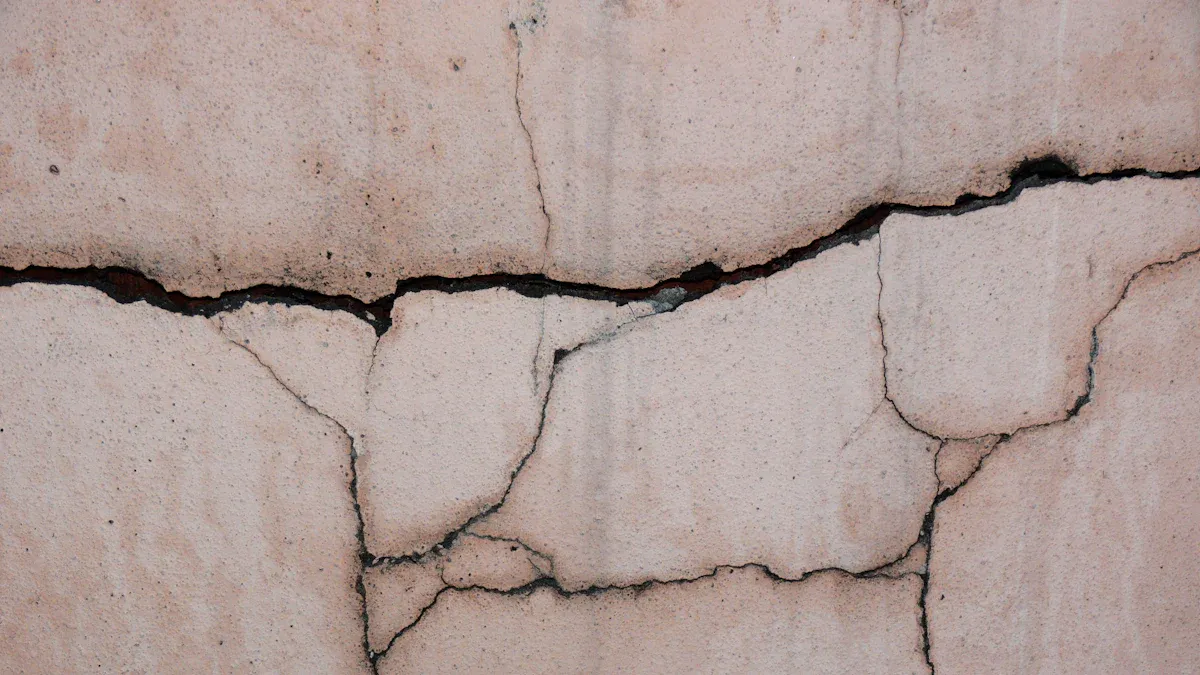
Variability in material composition significantly contributes to the likelihood of warping in MIM components. When manufacturers use inconsistent materials, they may experience differential shrinkage during the cooling process. This differential shrinkage is a primary cause of warping. To mitigate this issue, it is crucial to maintain consistent wall thickness throughout the part. Thicker sections, particularly those exceeding 12.5 mm, can exacerbate non-uniform shrinkage, increasing the risk of warping.
- Maintaining consistent wall thickness helps ensure uniform shrinkage.
- Variations in cross-sectional thickness can lead to warpage due to differences in packing pressures during molding.
- Inconsistencies during thermal debinding and sintering can also contribute to warping.
Particle Size Distribution
The particle size distribution of the feedstock plays a vital role in the occurrence of warping during MIM. A narrow particle size distribution enhances packing density, which is crucial for minimizing defects like warping. Improved flowability from a narrow distribution leads to better mold filling, reducing the risk of defects such as voids and sink marks.
- Uniform packing density achieved through ideal particle size distribution helps minimize defects like cracks and segregation.
- A well-optimized particle size distribution can significantly improve the overall quality of the final product.
Process Parameters
Temperature Control
Temperature management during the injection molding process is critical for reducing warping rates. Proper temperature control affects the viscosity of molten material, which directly influences the filling of the mold. Inadequate temperature can lead to defects like sink marks and warpage, while excessive temperatures can cause internal issues such as burning and discoloration.
- Consistent temperature control minimizes common defects, including warping, thereby improving overall product quality.
- Unbalanced temperature distribution during cooling contributes to warping, making it essential to optimize mold temperature and melt temperature.
Injection Speed
Injection speed is another crucial factor influencing the formation of warping defects in MIM. When the injection speed is not optimized, it can lead to uneven filling of the mold, distorting the final product. This distortion significantly contributes to warping, highlighting the importance of proper injection parameters in maintaining product quality.
Design Factors
Wall Thickness
Uniform wall thickness is essential for ensuring even material flow and consistent sintering in MIM products. Variations in wall thickness can lead to warping and distortion, as they create internal tensions during the cooling process. Manufacturers should carefully consider wall thickness to avoid these issues.
Geometric Complexity
Complex geometries in MIM can introduce challenges during the molding process, potentially resulting in defects such as warping. This is particularly evident in areas where wall thickness varies, as uneven heat dissipation during cooling can exacerbate these issues. While MIM allows for the creation of intricate parts, proper management of design considerations is crucial to prevent warping or distortion.
Cooling Rate
Cooling Channel Design
The design of cooling channels plays a pivotal role in managing the cooling rate of MIM parts. Properly designed cooling channels ensure uniform temperature distribution throughout the mold, which is essential for minimizing warping. Here are some best practices for effective cooling channel design:
- Ensure uniform wall thickness to promote even cooling.
- Optimize cooling channel design to facilitate consistent temperature distribution.
- Implement conformal cooling channels to enhance cooling efficiency.
- Utilize materials with better thermal properties for faster cooling and heating times.
Research indicates that conformal cooling can reduce cooling times by 40%, significantly improving cycle efficiency. This reduction in cooling time helps maintain dimensional stability, as uneven cooling can lead to one area of the part shrinking faster than another, resulting in internal stress and warping.
Cooling Time
Cooling time directly impacts the dimensional stability of MIM parts. During the sintering process, MIM materials experience shrinkage that varies with the type of metal powder used. Uniform wall thickness is crucial for even sintering and cooling, which helps to minimize warping or distortion.
- Poor temperature control can lead to uneven cooling, causing one area of the part to shrink faster than another, resulting in internal stress and warping.
- Manufacturers should carefully monitor cooling times to ensure they align with the material specifications and part geometry.
Environmental Conditions
Humidity Levels
Environmental conditions, such as humidity levels, can significantly influence the warping of MIM components. High humidity can lead to moisture absorption in the feedstock, affecting the material properties and increasing the likelihood of defects.
“Every industrial process is naturally subject to small, often invisible variations over time, caused by environmental and material factors. For example, temperature, humidity, and oxygen concentration affect how materials behave during production.”
Maintaining optimal humidity levels in the production environment is essential for ensuring consistent material performance and reducing the risk of warping.
Temperature Fluctuations
Temperature fluctuations in the manufacturing environment can also contribute to warping. Variations in ambient temperature can affect the thermal properties of the materials used in MIM. Consistent temperature control is vital for maintaining the integrity of the molding process.
- Manufacturers should implement climate control measures to stabilize the production environment.
- Regular monitoring of temperature conditions can help identify potential issues before they lead to warping.
By understanding the impact of cooling rates and environmental conditions, manufacturers can take proactive steps to mitigate the causes of warping in MIM processes.
Effects of Warping
Impact on Product Quality
Dimensional Accuracy
Warping directly affects the dimensional accuracy of MIM components. When parts warp, they deviate from their intended specifications. This deviation can lead to significant issues in assembly and functionality. For instance, misaligned components may not fit together properly, resulting in mechanical failures. Manufacturers must prioritize dimensional accuracy to ensure that parts meet design requirements.
Surface Finish
The surface finish of warped components often suffers as well. Warping can create uneven surfaces, leading to aesthetic and functional defects. A poor surface finish can hinder the performance of the part, especially in applications requiring tight tolerances. Manufacturers should focus on maintaining a high-quality surface finish to enhance the overall product appeal.
Economic Consequences
Increased Scrap Rates
Warping contributes to increased scrap rates in the manufacturing process. When parts do not meet quality standards, manufacturers must discard them, leading to wasted materials and resources. This increase in scrap rates can significantly impact production costs. Companies must implement effective prevention strategies to minimize warping and reduce scrap rates.
Production Delays
Warping can also cause production delays. When manufacturers encounter warped parts, they often need to halt production to address the issue. This interruption can lead to missed deadlines and dissatisfied customers. Efficient production schedules rely on consistent quality, making it essential to manage warping effectively.
Customer Satisfaction
Product Reliability
Warped components can compromise product reliability. Customers expect products to perform consistently and meet their needs. When warping leads to failures, it can damage the trust between manufacturers and their clients. Ensuring product reliability is crucial for maintaining long-term customer relationships.
Brand Reputation
The reputation of a brand can suffer due to warping-related issues. Customers associate product quality with brand integrity. If a company consistently delivers warped or defective products, it risks losing its competitive edge. Maintaining high standards of quality is vital for preserving brand reputation in the market.
Prevention Strategies for Warping
Material Selection
Choosing the Right Feedstock
Selecting the appropriate feedstock is crucial for minimizing warping in Metal Injection Molding (MIM). Manufacturers should consider several design considerations when choosing materials:
| Design Consideration | Description |
|---|---|
| Account for Shrinkage | Compensate for 15-20% shrinkage during sintering in mold design to achieve desired dimensions. |
| Uniformity Is Key | Maintain uniform wall thickness (1 mm to 6 mm) to ensure consistent shrinkage and reduce warping. |
| Avoid Thick Sections | Limit sections to under 12.5 mm to prevent non-uniform shrinkage; consider coring if thicker sections are needed. |
| Preventing Sag | Design supports or gussets for unsupported features to avoid sagging during sintering. |
By adhering to these guidelines, manufacturers can significantly reduce the risk of warping and enhance the overall quality of their products.
Testing Material Properties
Testing material properties before production is essential for preventing warping in MIM. This process ensures consistency and quality of the feedstock, which is vital for successful sintering. Key benefits of testing include:
- Ensuring consistent quality of the feedstock, which is essential for preventing warping during the sintering process.
- Understanding factors such as particle size distribution and powder-to-binder ratio, which influence material flow and final density.
- Achieving controlled shrinkage during sintering, necessary for maintaining accuracy and preventing distortion.
By implementing rigorous testing protocols, manufacturers can identify potential issues early and make necessary adjustments to their processes.
Process Optimization
Fine-tuning Injection Parameters
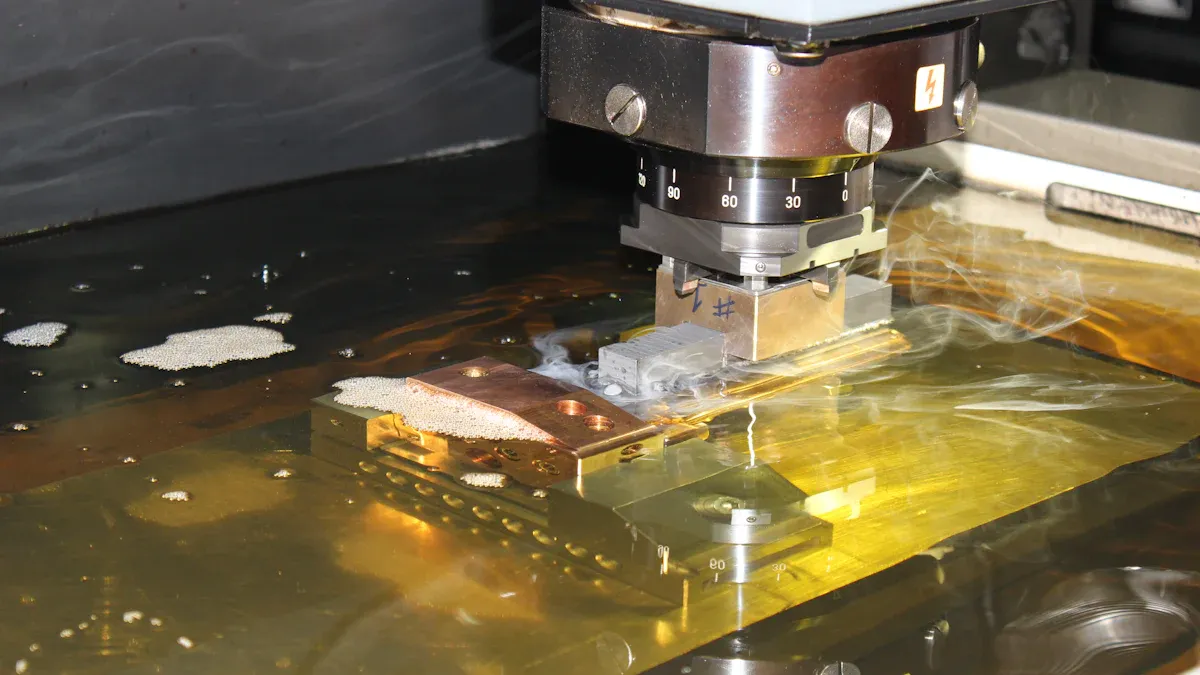
Optimizing injection parameters is critical for reducing warping in MIM production. Warping often arises from uneven cooling rates during the solidification process, which can be influenced by improper processing parameters. By fine-tuning these parameters, manufacturers can achieve more consistent cooling and solidification. This approach helps alleviate internal stresses that lead to warping.
For instance, adjusting temperature and injection speed can significantly impact the incidence of warping. Manufacturers should focus on achieving uniform cooling to minimize defects.
Implementing Controlled Cooling
Controlled cooling is another effective strategy for preventing warping. Proper cooling techniques ensure that the temperature distribution remains consistent throughout the mold. Research has shown that implementing controlled cooling can lead to significant reductions in warpage.
| Year | Authors | Technique Description |
|---|---|---|
| 2009 | Y. Zhang, Y.M. Deng | Mode-pursuing sampling (MPS) for warp optimization, reducing warpage defects by adjusting molding time, melt temperature, and mold temperature. |
| 2009 | Chuang Li, Fu-Li Wang | Step-by-step optimization using an RBF proxy model to improve shrinkage uniformity in molded parts. |
| 2010 | Yuehua Gao | Adaptive optimization method based on the Kriging proxy model, effectively reducing warpage in mobile phone cases. |
By adopting these advanced techniques, manufacturers can enhance the quality of their MIM products and reduce the likelihood of warping.
Design Improvements
Simplifying Geometries
Simplifying design features is an effective way to minimize warping in MIM parts. Complex geometries, such as undercuts and sharp corners, can complicate the molding process and increase the risk of defects. By streamlining designs, manufacturers can enhance moldability and reduce costs.
| Design Improvement | Description |
|---|---|
| Geometry and Complexity | Simplifying design features like undercuts and sharp corners to enhance moldability and reduce costs. |
| Uniform Wall Thickness | Ensuring consistent wall thickness to prevent warping and maintain part integrity. |
| Shrinkage and Tolerances | Accounting for 15-20% shrinkage during sintering to achieve dimensional accuracy. |
| Gate Position and Parting Line | Strategically placing gates and parting lines to avoid visible defects and enhance part performance. |
| Material Selection | Choosing appropriate metal powders based on mechanical and thermal requirements for MIM processes. |
| Subsequent Activities | Designing for ease of post-processing to improve overall part quality and functionality. |
By focusing on these design improvements, manufacturers can significantly reduce the risk of warping and enhance the overall performance of their MIM products.
Adjusting Wall Thickness
Adjusting wall thickness is essential in MIM to mitigate warping. Uniform wall thickness prevents warping and cracking, which can occur due to variations in thickness. Techniques like flow simulation and balanced cooling systems are vital for achieving this uniformity. Ensuring consistent solidification minimizes warping risks and enhances product quality.
By implementing these prevention strategies, manufacturers can effectively manage warping in MIM processes, leading to improved product quality and customer satisfaction.
Monitoring and Control
Real-time Process Monitoring
Real-time process monitoring plays a crucial role in minimizing warping in Metal Injection Molding (MIM). By continuously tracking key parameters during production, manufacturers can identify deviations that may lead to defects. Effective monitoring systems can include:
- Temperature Sensors: These devices ensure that the mold and material temperatures remain within specified limits.
- Pressure Sensors: Monitoring injection pressure helps maintain consistent filling and reduces the risk of defects.
- Flow Rate Monitors: These tools track the flow of the feedstock, ensuring uniformity during the injection process.
Implementing real-time monitoring allows manufacturers to make immediate adjustments, thereby enhancing product quality. For instance, if temperature fluctuations occur, operators can quickly modify the cooling rate to prevent warping.
Quality Control Measures
Quality control measures are essential for detecting and mitigating warping in MIM products. Distortion during the sintering process can significantly affect the quality and dimensional accuracy of components. By employing various techniques, manufacturers can maintain the geometric integrity of complex parts. Key quality control measures include:
| Technique | Purpose |
|---|---|
| Optimizing powder characteristics | Control sintering shrinkage and prevent distortion |
| Adjusting sintering temperatures | Achieve predictable shrinkage rates for dimensional accuracy |
| Implementing controlled cooling | Reduce uneven shrinkage during the sintering process |
Additionally, manufacturers should adopt practices such as using appropriate support structures during sintering, controlling heating and cooling rates, ensuring uniform debinding, and optimizing the sintering atmosphere. These measures collectively contribute to reducing the need for post-sintering operations and enhance overall product reliability.
Training and Best Practices
Staff Training Programs
Investing in staff training programs is vital for ensuring that employees understand the intricacies of the MIM process. Well-trained personnel can effectively monitor production parameters and respond to potential issues before they escalate. Training should cover:
- Material Handling: Educating staff on the properties of different feedstocks and their impact on warping.
- Process Parameters: Ensuring that employees understand how temperature, pressure, and cooling rates affect product quality.
- Quality Control Techniques: Training on how to implement and interpret quality control measures effectively.
By equipping staff with the necessary knowledge and skills, manufacturers can foster a culture of quality and continuous improvement.
Standard Operating Procedures
Establishing standard operating procedures (SOPs) is crucial for preventing warping in MIM manufacturing. SOPs provide clear guidelines for every aspect of the production process, ensuring consistency and quality. Key components of effective SOPs include:
| Evidence | Explanation |
|---|---|
| Establishing uniformity in mold design | This helps to prevent differential shrinkage, which is a primary cause of warping. |
| Optimizing sintering parameters | Proper control of sintering conditions ensures even material contraction, reducing the risk of warping. |
| Maintaining quality control | Consistent quality checks throughout production help identify and mitigate potential warping issues early in the process. |
By adhering to these SOPs, manufacturers can significantly reduce the likelihood of warping and enhance the overall quality of their MIM products.
Warping in Metal Injection Molding can significantly impact product quality. Manufacturers can effectively manage this issue by understanding its causes. Implementing robust prevention strategies is crucial for maintaining high standards.
Continuous improvement and monitoring lead to better outcomes.
By prioritizing these practices, companies can enhance their production processes and deliver superior products to their customers.
FAQ
What is warping in Metal Injection Molding (MIM)?
Warping in MIM refers to the distortion of parts due to uneven cooling and shrinkage during the manufacturing process. This defect can affect the dimensional accuracy and overall quality of the final product.
How can material properties cause warping?
Variability in material composition and particle size distribution can lead to differential shrinkage during cooling. Inconsistent materials may result in uneven shrinkage, increasing the likelihood of warping in MIM components.
What role do process parameters play in warping?
Process parameters, such as temperature control and injection speed, significantly influence warping. Improper management of these parameters can lead to uneven filling and cooling, resulting in distorted parts.
How does design impact warping?
Design factors, including wall thickness and geometric complexity, can contribute to warping. Variations in wall thickness create internal tensions, while complex geometries complicate the molding process, increasing the risk of defects.
What are effective prevention strategies for warping?
Effective prevention strategies include selecting appropriate materials, optimizing process parameters, simplifying designs, and implementing real-time monitoring. These measures help maintain consistent quality and reduce the risk of warping.
How does environmental condition affect warping?
Environmental conditions, such as humidity levels and temperature fluctuations, can impact the performance of materials used in MIM. High humidity can lead to moisture absorption, while temperature variations can affect thermal properties, increasing the risk of warping.
What are the economic consequences of warping?
Warping can lead to increased scrap rates and production delays, significantly impacting manufacturing costs. Companies may face financial losses due to wasted materials and missed deadlines caused by warped components.
How can training improve warping prevention?
Training staff on material handling, process parameters, and quality control techniques enhances their ability to monitor production effectively. Well-trained personnel can identify potential issues early, reducing the likelihood of warping in MIM products.