
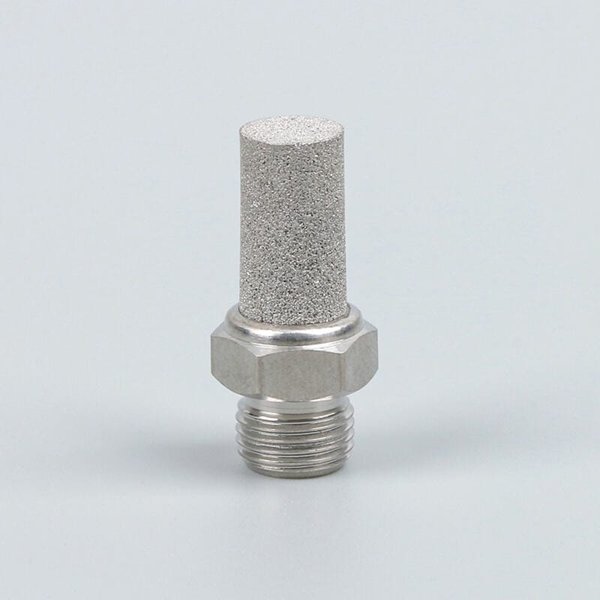
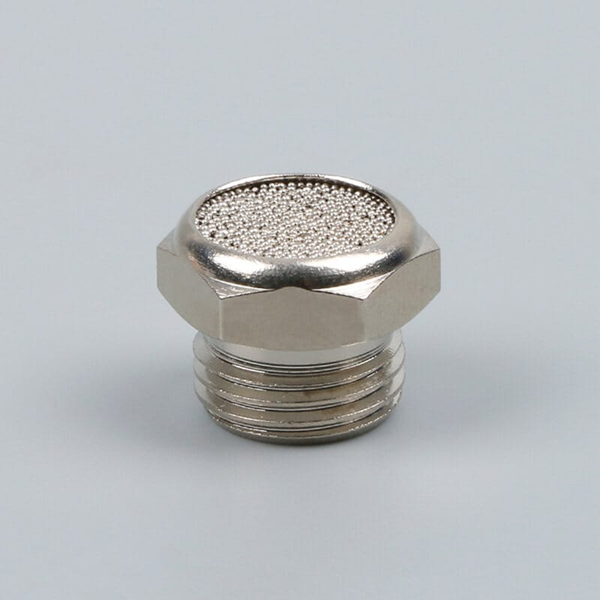
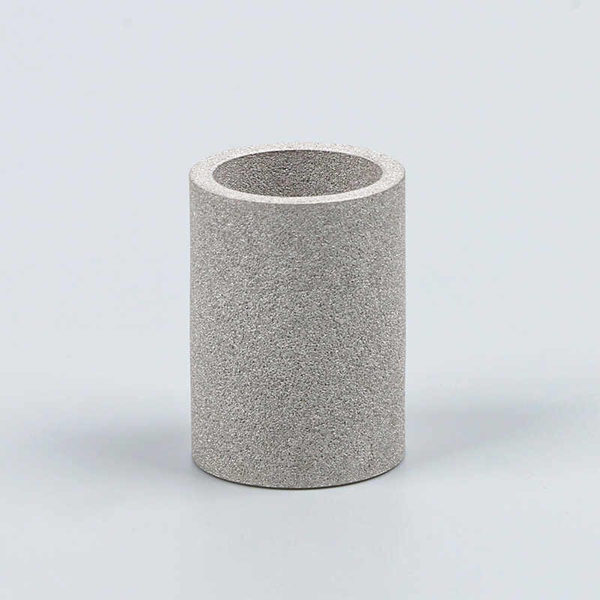
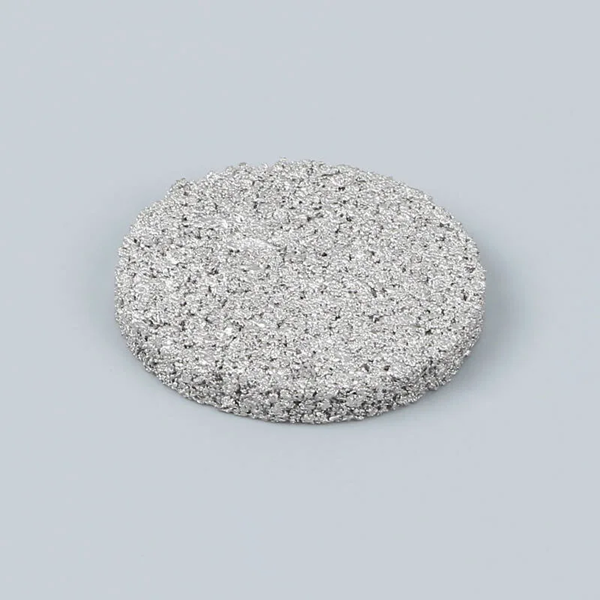
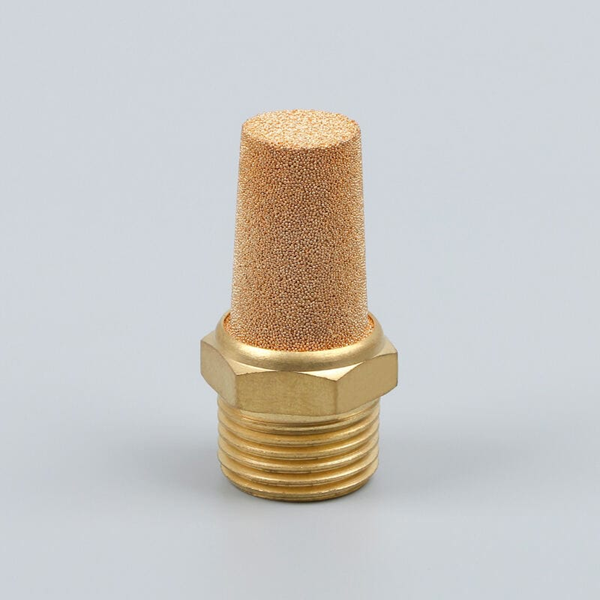
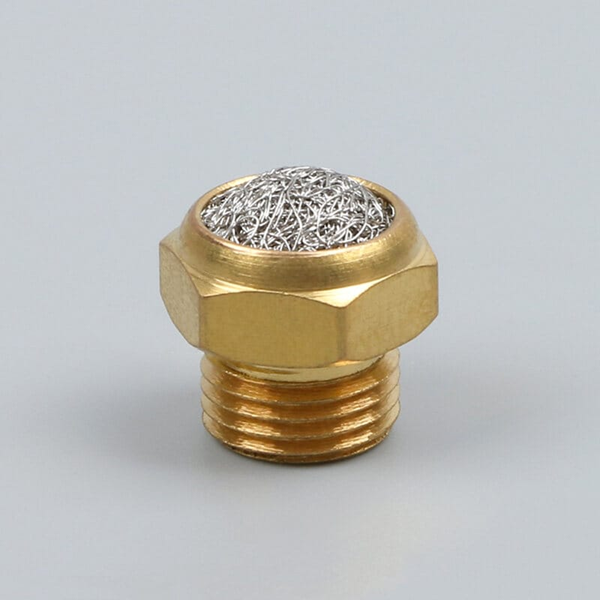
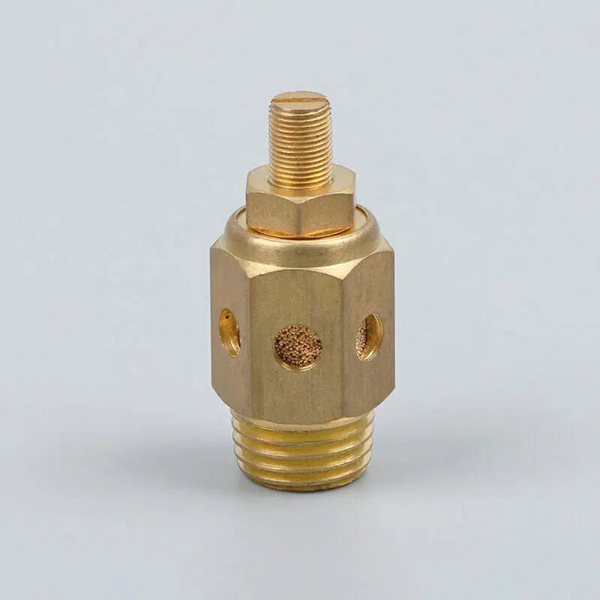
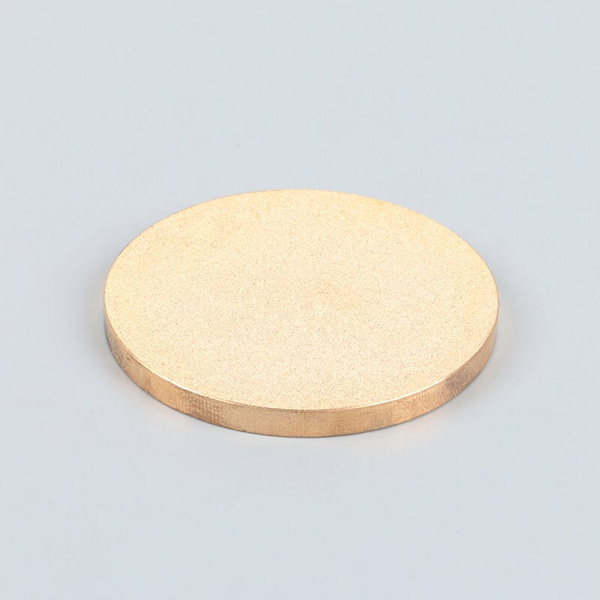
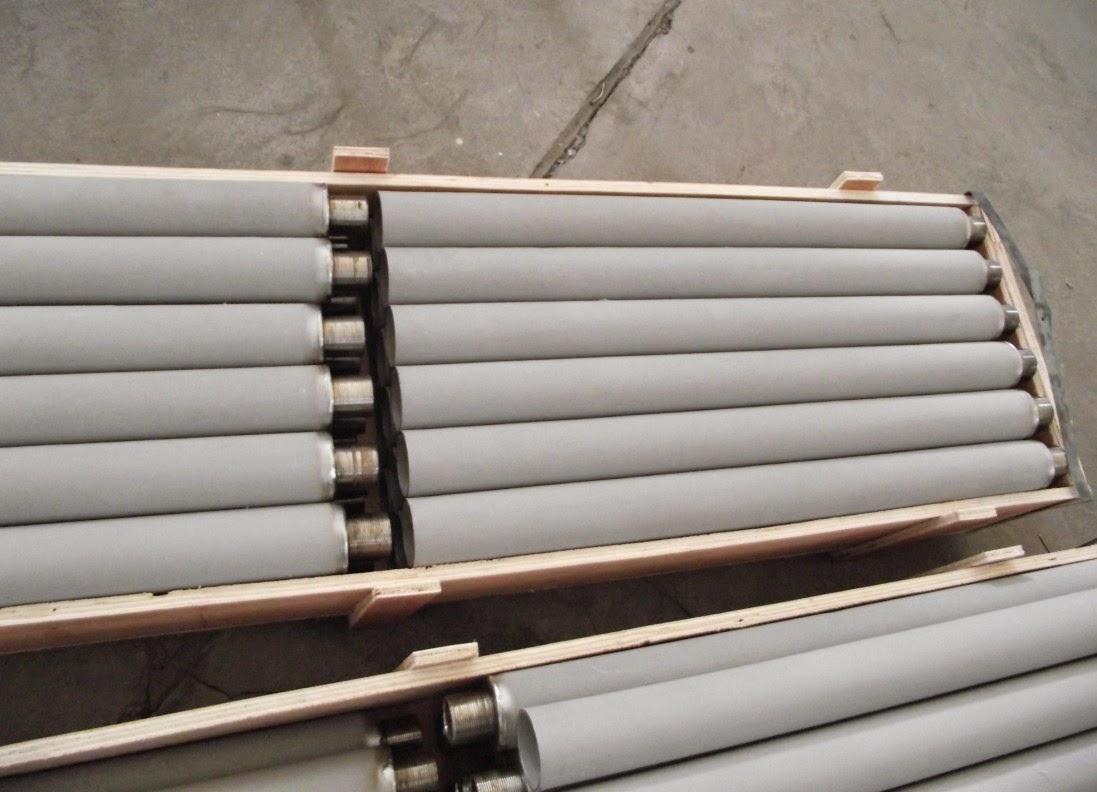
Sintered Metal Filters offer a definitive solution for persistent operational challenges. This advanced filtration technology achieves operational clarity and efficiency. It transforms operations by overcoming common filtration hurdles. The global industrial filtration market reached USD 36.03 Billion in 2024. Experts project it will grow to USD 53.81 Billion by 2033.
Preventing Clogging and Fouling with Sintered Metal Filters
The Limitations of Traditional Filters in Clogging Prevention
Traditional filters frequently encounter clogging, a prevalent issue in many operations. While a gradual reduction in flow is expected as filters accumulate particulates, premature or uneven clogging signals underlying problems. This leads to increased pressure drop, reduced flow rates, and compromised filtration quality. In industrial settings, it can cause potential equipment damage and product contamination. Traditional filters often fail because particles become lodged in their openings. Conventional woven mesh and perforated plates are particularly problematic; their design narrows in the flow direction, promoting particle wedging and rapid blockage. This significantly reduces the effective flow area, sometimes by 30–50% in a short operational period, especially in applications with high solid content. Such frequent clogging also incurs substantial maintenance costs, including increased energy bills, higher repair costs for components, and a shortened lifespan for the entire system.
Enhanced Anti-Fouling Properties of Sintered Metal Filters
Sintered Metal Filters offer superior anti-fouling properties due to their advanced design and robust construction. These filters feature a stable porous matrix, precise bubble point specifications, and uniform permeability. These characteristics ensure reliable filtration performance, effective backwash cleaning, and extended on-stream service life, all critical for preventing fouling. Their multi-layered construction, often with a graduated design, allows for higher dirt holding capacity and a longer life expectancy. This design captures particles within multiple layers, preventing premature blocking. A high porous structure, up to 85%, provides very high permeability and a low pressure drop, which helps maintain efficient flow and reduces the likelihood of fouling. The inherent toughness of these metal filters enables continuous, back-pulsed operation for extended periods, facilitating regular cleaning and preventing fouling buildup.
Efficient Backflushing and Regeneration of Sintered Metal Filters
The design of Sintered Metal Filters facilitates efficient backflushing and regeneration, crucial for maintaining optimal performance and extending filter life. These filters possess excellent backflush ability for in-situ cleaning. This capability allows operators to periodically remove accumulated filter cake, which is vital for maintaining anti-fouling properties and recovering filter pressure drop. While optimal backflush utilizes suitable liquid at greater pressure, the specific quantity and frequency require optimization for various industrial applications. Gas-assisted backwash proves effective in many scenarios. This efficient regeneration process minimizes downtime and reduces the need for frequent filter replacements, contributing to long-term operational reliability and cost savings.
Resisting Harsh Environments with Sintered Metal Filters
Traditional Filter Vulnerability to Corrosion and High Temperatures
Traditional filters often fail in harsh environments. Corrosive agents quickly degrade their materials. Strong acids like sulfuric acid and hydrochloric acid cause rapid damage. Bases such as sodium hydroxide and potassium hydroxide also harm filters. Oxidizing agents, including hydrogen peroxide and nitric acid, react negatively with filter media. Acidic gases, alkaline substances, high humidity, and salt spray further accelerate corrosion. Many traditional filter materials have limited temperature resistance. Polyester, polypropylene, and acrylic filters operate at lower temperatures. Materials like aramid, P84, Ryton, fiberglass, and Teflon reach mid-range temperatures, typically up to 500°F (260°C).
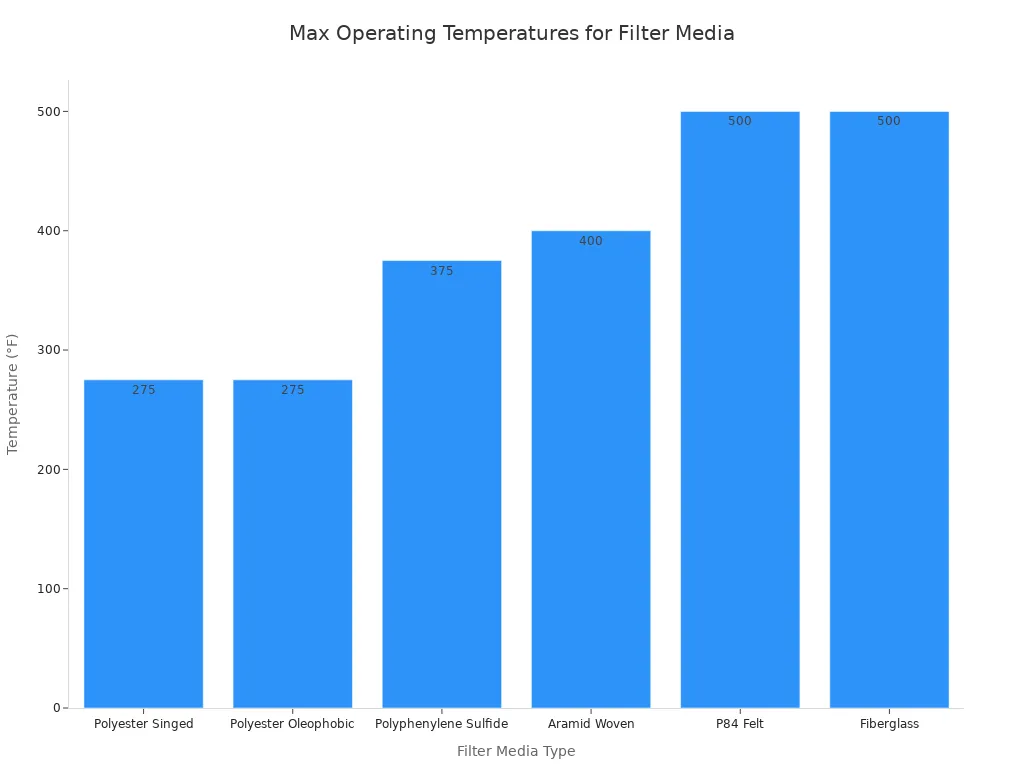
This chart highlights the temperature limitations of common filter media.
Superior Corrosion Resistance of Sintered Metal Filters
Sintered Metal Filters offer superior corrosion resistance. They utilize robust materials designed for challenging conditions. Stainless steel grades like 304, 304L, 316, 316L, and 904L provide strong chemical resistance. Nickel offers good stability in high-temperature environments. Titanium-Nickel and Monel ensure excellence and reliability in harsh settings. Manufacturers can customize other alloys to meet specific needs. These materials withstand aggressive chemicals, preventing degradation and maintaining filtration integrity.
High-Temperature Performance of Sintered Metal Filters
Sintered Metal Filters excel in high-temperature applications. Sintered metal powder media withstands temperatures from 750 to 1750°F. The exact limit depends on the alloy and atmospheric conditions. Stainless steel filters (304, 316, 316L) operate up to 200°C. Pleated Metal Filter: Metal-Flow Series handles up to 450°C. These filters offer a wide service temperature range, from -200°C to 1000°C. Certain alloys and thread connections resist up to 800°C. All-sintered metal construction provides maximum resistance up to 1000°C.
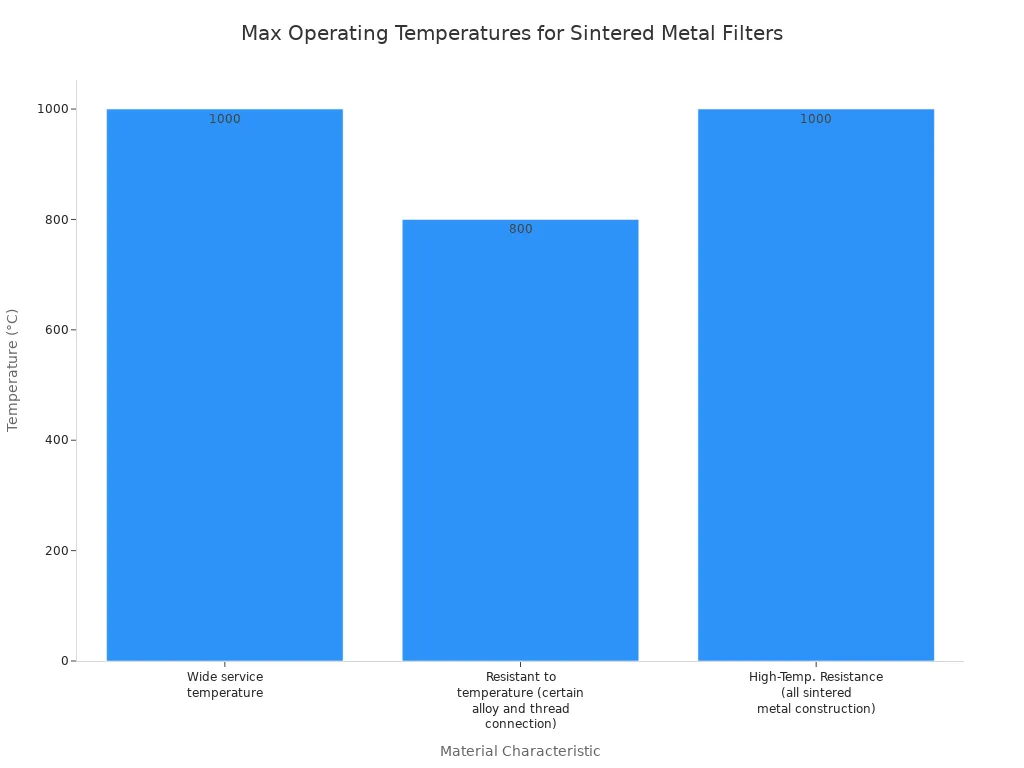
This chart demonstrates the impressive high-temperature capabilities of sintered metal filters.
Ensuring Purity and Stability with Sintered Metal Filters
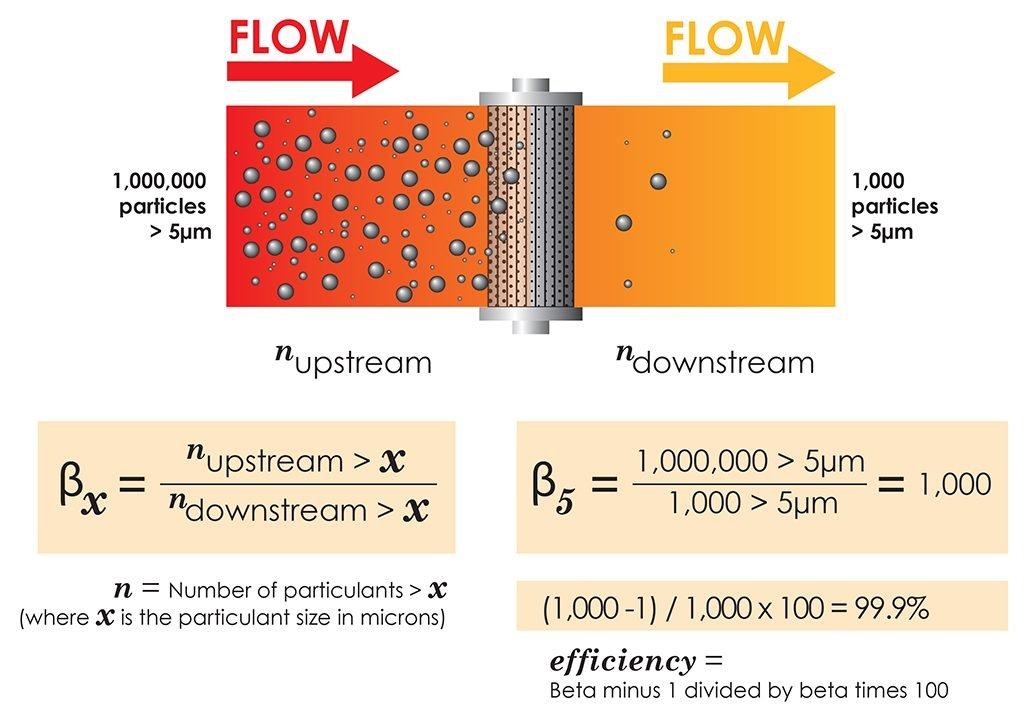
Contamination Risks from Conventional Filter Degradation
Conventional filters often pose significant contamination risks. Their materials can degrade over time, releasing fibers or particles into the process stream. This degradation compromises product purity and can lead to costly batch rejections or equipment damage. Industries with stringent purity requirements, such as pharmaceuticals and food and beverage, cannot tolerate such risks. Regulatory bodies establish strict limits for particulate contamination. These limits ensure product safety and quality.
| Grade/Class | At Rest >0.5µm/m³ | At Rest >5µm/m³ | Operational >0.5µm/m³ | Operational >5µm/m³ | ISO Equivalent (Rest/Operational) |
|---|---|---|---|---|---|
| EU GMP Grade A | 3,520 | 20 | 3,520 | 20 | ISO 5 / ISO 5 |
| EU GMP Grade B | 3,520 | 29 | 352,000 | 2,900 | ISO 5 / ISO 7 |
| EU GMP Grade C | 352,000 | 2,900 | 3,520,000 | 29,000 | ISO 7 / ISO 8 |
| EU GMP Grade D | 3,520,000 | 29,000 | Not Defined | Not Defined | ISO 8 / — |
| ISO 1 | 10 particles/m³ (>0.1µm) | N/A | N/A | N/A | N/A |
| ISO 2 | 100 particles/m³ (>0.1µm) | N/A | N/A | N/A | N/A |
| ISO 3 | 1,000 particles/m³ (>0.1µm) | N/A | N/A | N/A | N/A |
| ISO 4 | 10,000 particles/m³ (>0.1µm) | N/A | N/A | N/A | N/A |
| ISO 5 | 100,000 particles/m³ (>0.1µm) | N/A | N/A | N/A | N/A |
| ISO 6 | 1,000,000 particles/m³ (>0.1µm) | N/A | N/A | N/A | N/A |
Precise and Consistent Filtration Ratings of Sintered Metal Filters
Sintered Metal Filters deliver precise and consistent filtration ratings. Their manufacturing process ensures a uniform pore size distribution. This uniformity is a key feature across all types of sintered filters. It contributes to their tailored pore structure and consistent permeability. Filson designs and manufactures these filters with a stable porous matrix, precise bubble point specifications, and tight thickness tolerances. This meticulous approach ensures uniformity of permeability. It is crucial for reliable filtration performance, effective backwash cleaning, and a long operating life.
Long-Term Operational Reliability with Sintered Metal Filters
Sintered Metal Filters provide exceptional long-term operational reliability. They offer durability, temperature and chemical resistance, and reusability. Their rigid, porous structure allows for effective backflushing or ultrasonic cleaning. This reduces downtime and replacement frequency. These characteristics lead to a lower total cost of ownership over the system’s life, even with a higher upfront cost. They improve efficiency, extend maintenance intervals, and handle extreme conditions. This provides a solution that pays off in performance and reliability.
- Sintered metal filters offer durability, temperature and chemical resistance, and reusability.
- Their rigid, porous structure allows for effective backflushing or ultrasonic cleaning, which reduces downtime and replacement frequency.
- These characteristics lead to a lower total cost of ownership over the system’s life, even with a higher upfront cost.
- They improve efficiency, extend maintenance intervals, and handle extreme conditions, providing a solution that pays off in performance and reliability.
- Unlike disposable media, sintered metal filters can be cleaned and reused multiple times through methods like backflushing, ultrasonic cleaning, or solvent baths, leading to long-term cost savings.
- The extended lifespan and reusability result in fewer replacements and less waste, making them a sustainable choice.
A specialty API manufacturing plant in South Korea experienced frequent clogging in its compressed nitrogen lines. Existing polymer filters failed under pressure cycling and ultra-low temperatures. After implementing a custom sintered stainless steel filter, filter replacement frequency dramatically decreased from every 8 weeks to once a year. Furthermore, downtime incidents related to gas purity were eliminated. This allowed the facility to meet stricter purity standards for export markets. This demonstrates significant cost savings through reduced replacements and zero downtime.
Sintered Metal Filters represent a strategic investment for operational excellence. They significantly enhance efficiency and product quality. Businesses measure this transformative impact through key performance indicators like those below. Filson provides customized Sintered Metal Filter solutions, ensuring optimal performance for diverse industrial needs.
| Indicator | Definition |
|---|---|
| Flow Rate | The volume of water that passes through the filter per unit of time. |
| Micron Rating | The smallest particle size that the filter can remove. |
| Pressure Drop | The reduction in water pressure as it passes through the filter. |
| Filter Life/Capacity | The amount of water a filter can process or the duration it can effectively operate before needing replacement. |
| Removal Efficiency | The percentage of specific contaminants that the filter can remove from the water. |