
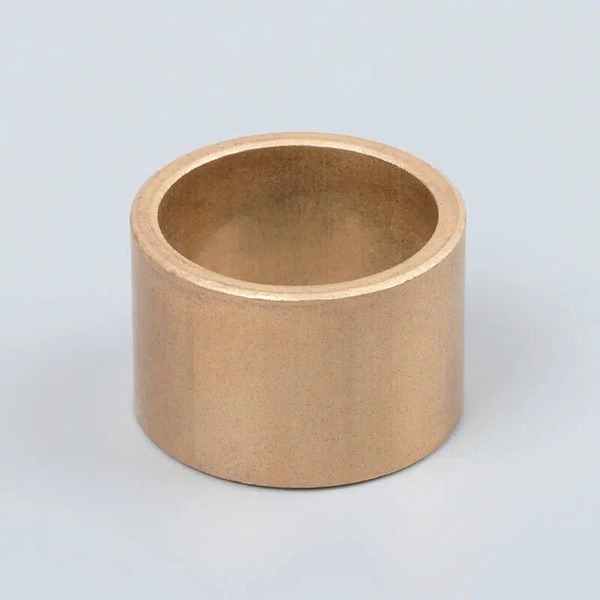
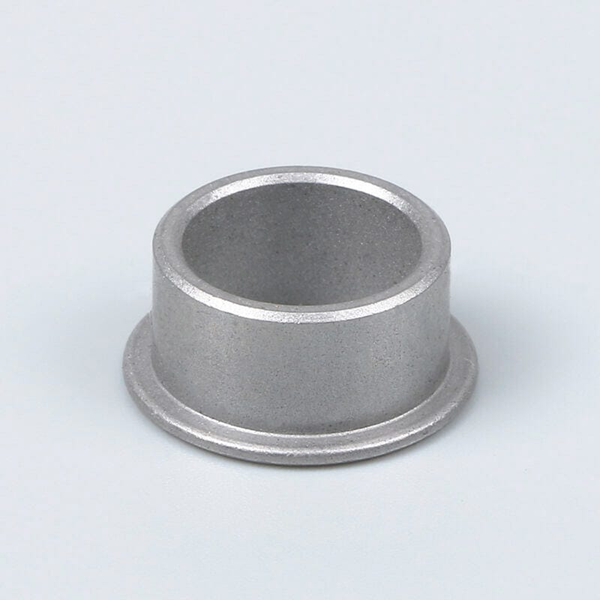
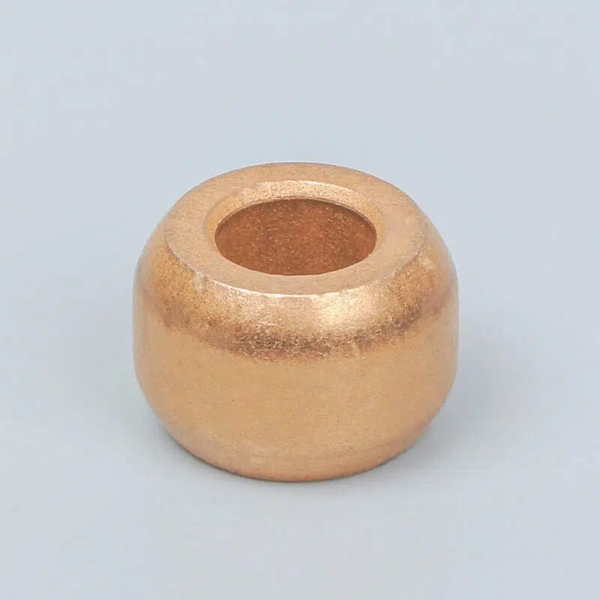
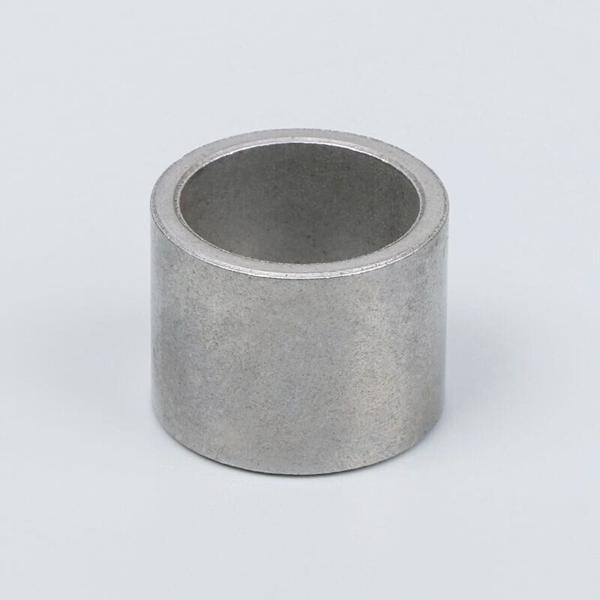
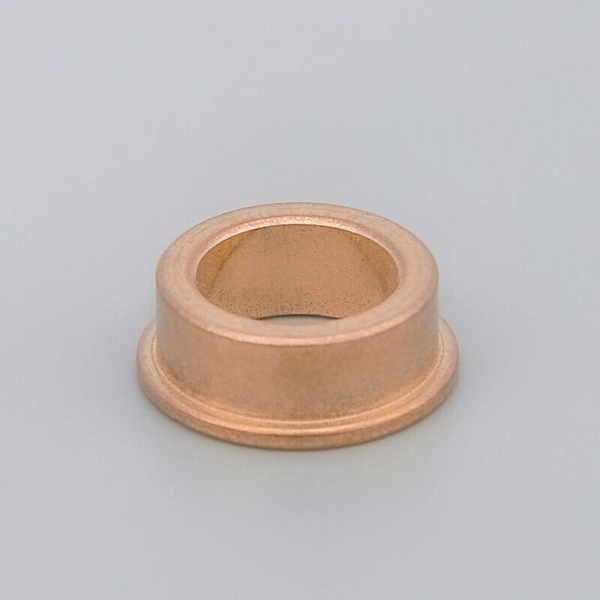
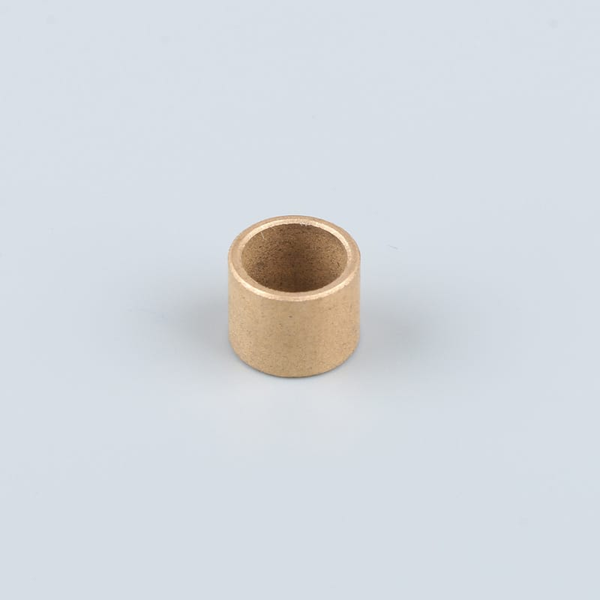
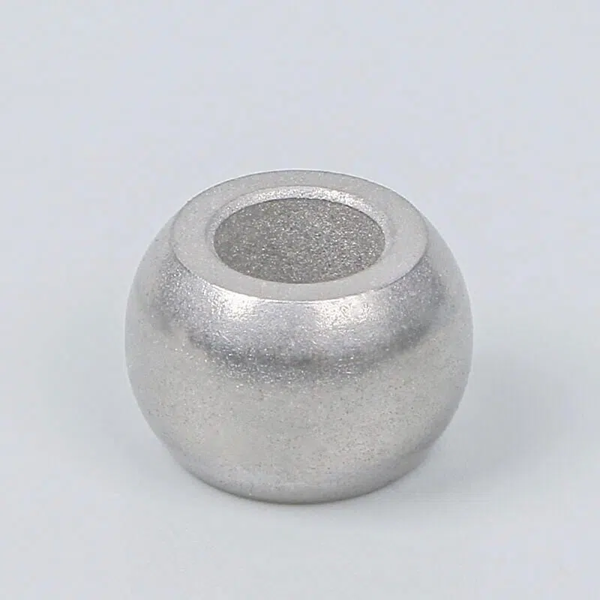
Sintered Bushings represent the definitive solution for continuous lubrication in demanding mechanical systems. Their unique, porous structure ensures unparalleled, self-sustaining oil delivery. This inherent capability makes Sintered Bushings superior for achieving long-term, reliable performance across diverse industrial applications.
The Engineering Marvel of Sintered Bushings for Continuous Lubrication
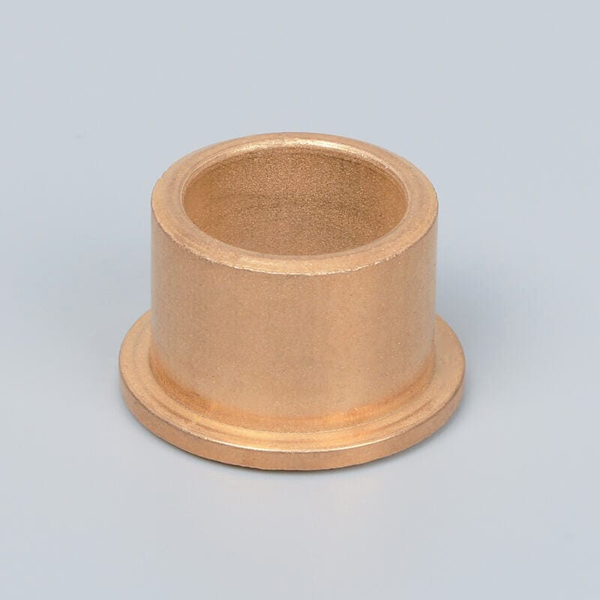
Sintered bushings represent a pinnacle of engineering design, specifically crafted to deliver continuous lubrication. Their unique construction and operational principles ensure consistent oil delivery, making them highly effective in various mechanical applications. This self-sustaining lubrication system provides significant advantages over traditional bearing types.
Porous Structure for Optimal Oil Impregnation
The foundation of continuous lubrication in these components lies in their porous structure. Manufacturers create this structure through a precise powder metallurgy process. First, metal powder, often bronze, is fed into a die set. This die matches the desired bushing size. Workers then press the powder particles under extreme pressure. This forms the initial shape. Next, the shaped part goes into a controlled atmosphere furnace. It heats below the metal’s melting point. This sintering process bonds the particles together. It creates a strong part with a network of connected capillaries. This results in approximately 25% porosity. After sintering, workers adjust the bushings to tolerance. Then, oil is forced into the porous structure using vacuum pressure. This intricate process ensures the material can absorb and store a significant volume of lubricating oil.
Capillary Action Ensures Constant Oil Delivery
Capillary action is the key mechanism for continuous oil delivery. Oil or lubricating material is embedded within the porous structure of the metal. When the bushings are in use, they generate heat from friction. This heat, combined with capillary action, facilitates the release of oil to the sliding surfaces. This constant release of lubricant significantly reduces the friction coefficient. It ensures smooth operation. When the bearings cool down or are not in operation, the lubricating material is drawn back into the pores. This creates a dynamic, self-regulating lubrication cycle. This mechanism ensures the bearing surface always receives lubrication when needed.
Self-Contained Lubrication System
Sintered bushings embody a truly self-contained lubrication system. Their design principles focus on integrated oil reservoirs and continuous lubrication. They utilize powder metallurgy to create a porous structure for oil absorption and storage. Manufacturers incorporate lubricating oil within the material’s porous structure during production. This design ensures continuous lubrication through capillary action. Heat and motion release the oil. This provides superior self-lubrication. The system aims for reduced wear and friction. This extends equipment lifespan. It also offers maintenance-free operation. This makes them ideal for enclosed or hard-to-reach systems. The design is cost-effective. It uses minimal oil consumption. These components perform excellently in high-load and continuous-use environments. For example, CJ bearings, a type of self-lubricating bushing, operate effectively from -320°F to +300°F (-195°C to +149°C). This wide temperature range highlights their robust, self-contained lubrication capabilities.
Unrivaled Benefits of Continuous Lubrication with Sintered Bushings
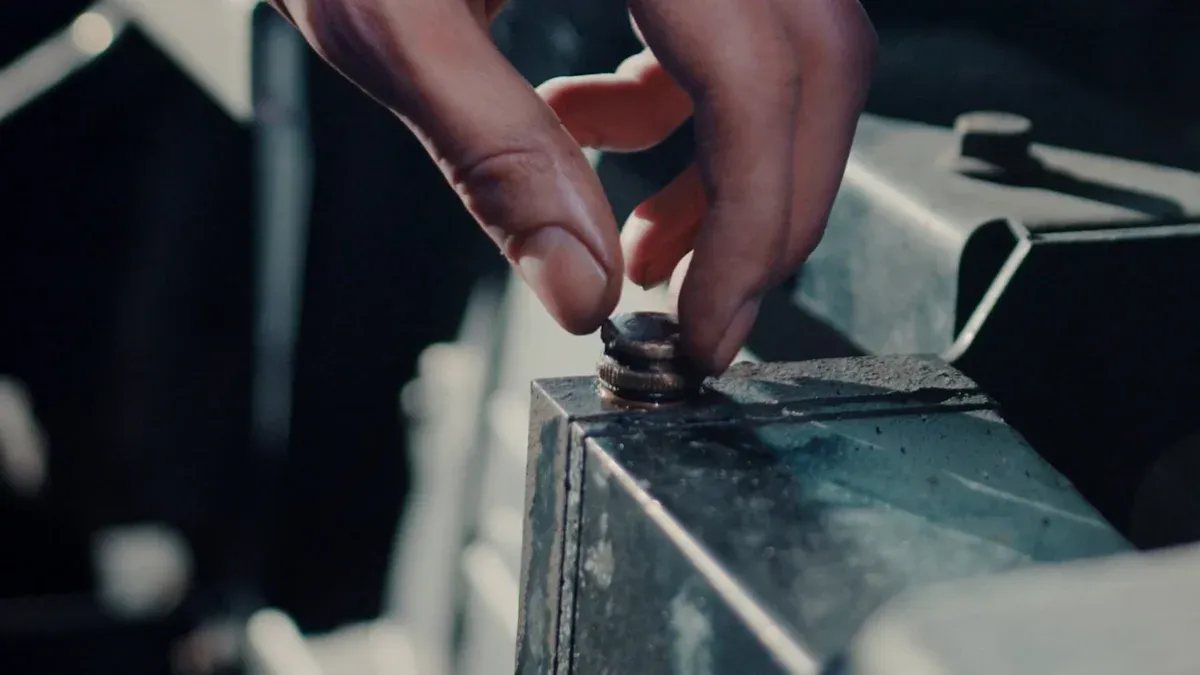
Continuous lubrication from sintered bushings offers significant advantages. These benefits extend beyond simple functionality. They impact component longevity, operational efficiency, and maintenance requirements.
Drastically Reduced Friction and Wear
Continuous lubrication from sintered bushings significantly reduces friction. The constant oil film between moving surfaces prevents direct metal-to-metal contact. This minimizes abrasive wear. Less friction means less heat generation. This protects components from thermal degradation. The self-lubricating action ensures optimal operating conditions. This leads to smoother operation and less energy loss.
Extended Lifespan of Components
Reduced friction and wear directly translate into an extended lifespan for mechanical components. When parts experience less stress, they last longer. Self-lubricating bushings dramatically increase the Mean Time Between Failures (MTBF) for systems. Manufacturers often provide MTBF data for applications like electric fans, showing the reliability of these components. New ceramic-matrix composite materials, also processed using sintering, deliver improved MTBF due to their superior fracture resistance.
The consistent and contained nature of internal lubrication allows the bushing to operate reliably for significantly extended periods. Often, they outlast the equipment’s lifespan itself, contributing to a dramatic increase in Mean Time Between Failures (MTBF). Sintered oil-impregnated bronze bushings act as an oil reservoir, ensuring continuous lubrication and reliability under dynamic loads, which also increases MTBF.
Maintenance-Free Operation and Reliability
Sintered bushings offer maintenance-free operation, particularly regarding lubrication. Their self-lubricating properties eliminate the need for external grease. This significantly reduces maintenance labor. Companies save on the labor time otherwise spent on regular lubrication. Traditional bronze bushings, for example, require frequent lubrication. Sintered metal bushings reduce this frequency. This leads to substantial cost savings. The self-contained lubrication system ensures consistent performance. This enhances overall system reliability. While some applications might still require periodic checks, the need for manual lubrication is greatly diminished or removed. This makes them ideal for inaccessible or sealed assemblies. For instance, composite sliding bearings with special polymer layers or metal mesh with PTFE bushings are designed to reduce the need for frequent external lubrication, offering long-term reliability. This contrasts sharply with the weekly or even daily lubrication needs of high-load, high-speed, or harsh environments for traditional bearings.
Sintered Bushings: The Preferred Choice Across Diverse Applications
Critical for High-Performance and High-Cycle Operations
Sintered bushings are essential for high-performance and high-cycle operations. They withstand enormous loads and extreme temperatures without breakdown. This ensures a long service life and minimal maintenance. Industries widely use them in electric motors, power tools, and household appliances. Automotive manufacturing relies on them for engine systems, chassis, and transmissions. They provide stability and support under high temperatures and speeds. Industrial machinery, including printing equipment and agricultural heavy machinery, also benefits. These bushings reduce friction and minimize vibration, enhancing performance. In aerospace, nickel-based bushings endure temperatures up to 900℃ in aircraft engines. Sintered brass bushings are critical for engine valve guides and high-performance engines, maintaining mechanical properties at high temperatures. While they offer medium load capacity and medium-high speed ranges, users must consider the PV limit. Exceeding this limit causes excessive heat and premature wear.
Ideal for Inaccessible and Sealed Assemblies
The self-lubricating nature of sintered bushings makes them ideal for inaccessible and sealed assemblies. Their design eliminates the need for external grease, simplifying maintenance in hard-to-reach locations. This self-contained system prevents contamination. It reduces the risk of lubricant leaks or spills. This feature is particularly beneficial in environments where cleanliness is paramount, such as food processing. Myway 304/316 stainless steel bushings meet FDA and USDA standards, preventing contamination in food and beverage manufacturing. This design also reduces noise and extends maintenance cycles.
Enhancing Overall System Efficiency and Durability
Sintered bushings significantly enhance overall system efficiency and durability. Their self-lubricating properties minimize friction, leading to less energy loss and smoother operation. This continuous lubrication extends the lifespan of components. It also contributes to environmental benefits. Their porous structure holds and gradually releases lubricant, minimizing the need for external lubrication. This significantly lowers the risk of environmental pollution from lubricant leaks or spills. The ability to re-lubricate these bushings, rather than replacing them, extends their lifespan and reduces waste.
Sintered Bushings stand out as the premier choice for continuous lubrication. Their unique porous structure guarantees consistent, reliable oil delivery. This innovative design leads to superior performance, extended longevity, and minimal maintenance. They offer an unmatched, self-sustaining solution for demanding mechanical applications, ensuring lasting efficiency.
FAQ
What makes sintered bushings self-lubricating?
Their porous structure holds oil. Capillary action releases it during operation. This ensures continuous lubrication without external intervention.
What materials are used for BLUE Powder Metallurgy’s Sintered Bushings?
BLUE offers bronze, iron-based, and iron-copper materials. These provide various performance characteristics for diverse industrial needs.
Do sintered bushings require maintenance?
Sintered bushings offer maintenance-free operation. Their self-contained lubrication system eliminates the need for external greasing. This reduces labor and costs.
Their porous structure holds oil. Capillary action releases it during operation. This ensures continuous lubrication without external intervention.
BLUE offers bronze, iron-based, and iron-copper materials. These provide various performance characteristics for diverse industrial needs.
Sintered bushings offer maintenance-free operation. Their self-contained lubrication system eliminates the need for external greasing. This reduces labor and costs.