
The Oil Pump Rotor: Engine’s Vital Lubrication System
Understanding the Oil Pump Rotor’s Core Function
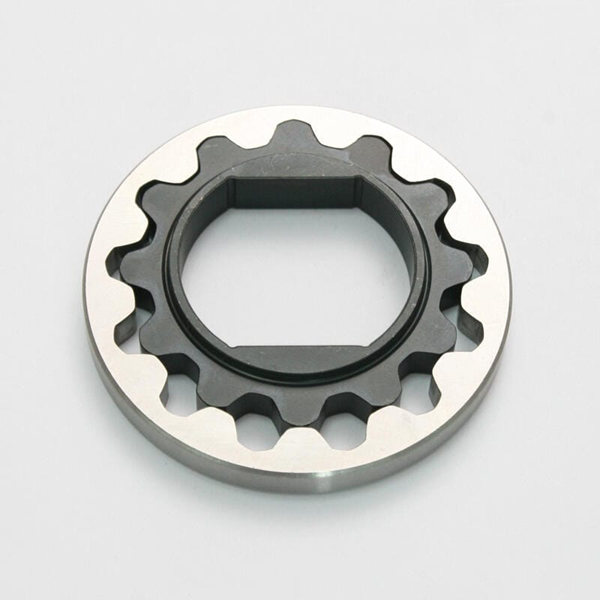
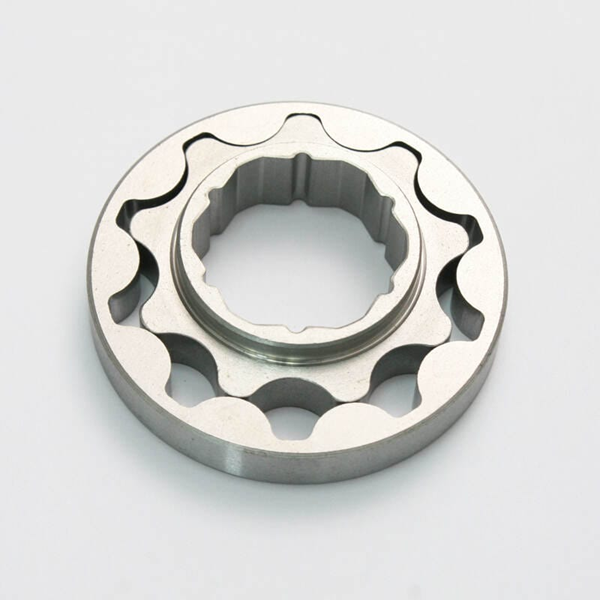
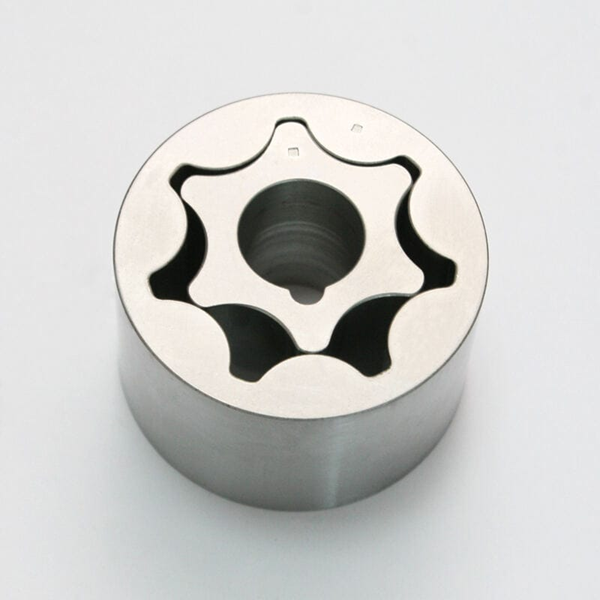
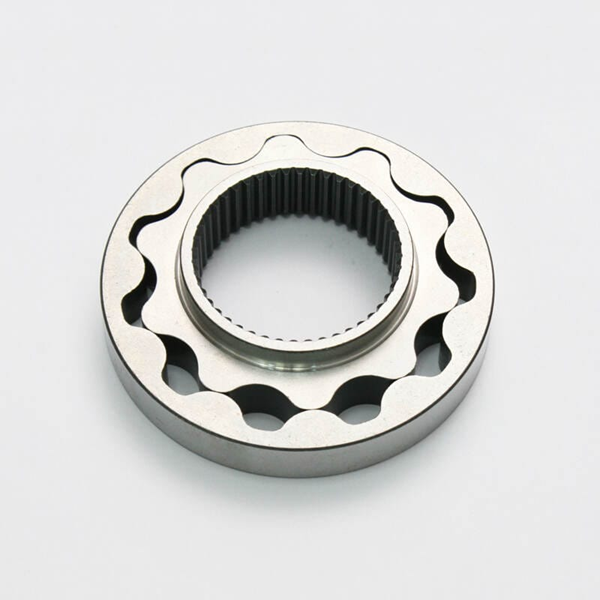
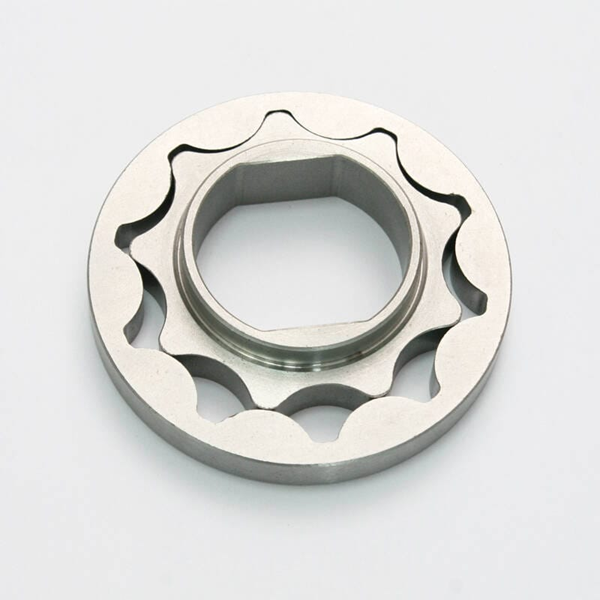
An oil pump rotor is a critical rotating component within trochoid or gerotor oil pumps, essential for automotive engines. This system, comprising an inner and an outer rotor, functions by rotating its lobes. It draws oil through an inlet and then expels it under pressure through an outlet. This action is crucial for the overall operation of the oil pump. The continuous flow ensures optimal lubrication, effective cooling, and dependable engine operation for all engine components.
How the Oil Pump Rotor Generates Oil Flow
The rotor oil pump operates with an inner gear rotating within an outer rotor. The inner rotor has one less lobe than the outer and is positioned slightly off-center. This configuration creates a bellows-like pumping action. It efficiently draws oil from the sump and delivers it under pressure to vital engine components. Precise tolerances are essential for consistent pumping, and the pump is typically mounted within the crankcase. The precision fit between the inner and outer rotor, with radial clearances typically between 0.08 mm and 0.13 mm, is crucial for consistent flow and minimal leakage. Rotor-type oil pumps are engineered for durability and the capacity to pump against high pressures. This directly contributes to the engine’s overall reliability and extended lifespan.
What Defines a Precision Oil Pump Rotor?
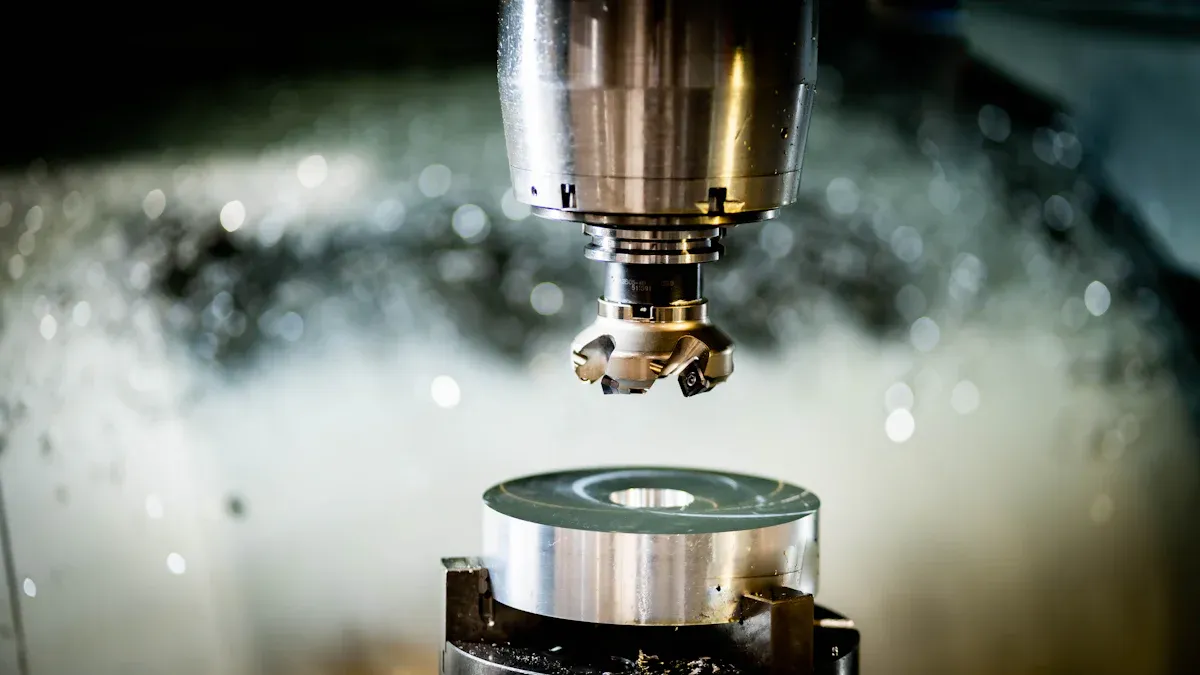
A precision oil pump rotor stands apart through its superior design, material composition, and manufacturing accuracy. These elements collectively ensure optimal engine lubrication and performance. Engineers meticulously craft these components to meet stringent specifications, guaranteeing reliable operation under demanding conditions.
Advanced Materials and Manufacturing for the Oil Pump Rotor
The foundation of a high-performance oil pump rotor lies in its materials and the processes used to create it. Manufacturers often employ advanced powder metallurgy techniques. This method results in components with high quality and precision. For instance, PRC helical scavenge rotors feature a true helical cut. Manufacturers hold these rotors to extremely tight tolerances. This precise manufacturing process, though time-consuming, allows the rotors to self-drive. They perform exceptionally well across the entire RPM range. After initial processing, screw pump rotors undergo thorough inspection. Technicians check for dimensional accuracy, surface roughness, and spiral shape using specialized measuring instruments and profilometers. Any non-conforming parts are reprocessed until they meet quality requirements. Furthermore, rotors receive surface treatments like coating or anti-corrosion applications. These treatments enhance wear resistance, corrosion resistance, and fatigue resistance, meeting the specific demands of the petroleum industry.
The Criticality of Tight Tolerances in the Oil Pump Rotor
Tight tolerances are paramount for an oil pump rotor’s effectiveness. They directly influence the pump’s ability to maintain consistent oil pressure and flow. Caterpillar oil pumps, for example, undergo detailed inspection of critical dimensions. This includes rotor clearances and housing tolerances. Precision measuring equipment ensures proper fit and optimal pressure generation. In sliding vane pumps, clearance gaps between components typically range from 50μm to 10μm. Reducing these gaps from 50μm to 10μm significantly boosts volumetric efficiency from 0.64 to 0.78. A change in radial clearance gaps from 0.025mm to 0.05mm can cause a 10.52% drop in dimensionless volume flow rate and a 9.72% fall in overall efficiency. High accuracies are most crucial for slot length, vane thickness, and slot width in these pumps. Overly large tolerances between the rotor lobe tips and the annulus lead to significant efficiency problems. These issues include drain-off when the engine is off, causing delays in oil circulation at startup. They also cause inefficient pumping when the oil is hot and thin, as oil circulates within the pump rather than to the engine, potentially leading to a loss of supply at higher RPMs. The efficiency of pumps is significantly impacted by the clearance of wear rings. Greater clearance directly reduces efficiency. Low specific speed pumps are more susceptible to these effects. Adhering to close tolerance fits during pump repair is a critical factor for ensuring both the efficient and long-lasting operation of pump systems. This directly impacts the longevity and performance of components. Tight manufacturing tolerances effectively reduce backflow and leakage, thereby significantly boosting the pump’s overall efficiency.
Optimized Geometry for the Oil Pump Rotor’s Efficiency
The geometric design of an oil pump rotor plays a crucial role in its operational efficiency and longevity. Optimized geometry helps reduce cavitation and noise, leading to smoother operation. Increasing the curvature radius changes the flow field inside the pipe. This can identify the maximum erosion region. Engineers optimize parameters like sidewall clearance, cutwater gap, and vane arrangement. These adjustments impact pressure distribution within the pump. A minimum cutwater gap of 6% of the impeller diameter is suggested. A vane arrangement using a 30° stagger is recommended. The cutwater gap and vane arrangement have the greatest impact on flow range and different locations within the pump. Increasing impeller side clearance width enhances the influence of secondary flow on the main flow, leading to vortex establishment at the blade tip. These precise design considerations ensure the rotor moves oil effectively and quietly.
Direct Performance Gains from a Precision Oil Pump Rotor
A precision oil pump rotor significantly enhances engine performance. It ensures optimal lubrication, reduces wear, and improves overall efficiency. These direct gains translate into a more powerful, reliable, and long-lasting engine.
Consistent Oil Pressure with a Precision Oil Pump Rotor
Consistent oil pressure is fundamental for engine health. Inconsistent oil pressure, often due to low oil levels or degraded oil, leads to inadequate lubrication. This inadequacy results in increased friction and can cause overheating. Overheating and increased friction ultimately lead to potential engine damage. Furthermore, inadequate lubrication can cause unusual noises like tapping or knocking. It also results in decreased engine performance, such as sluggish acceleration or reduced power.
A precision oil pump rotor actively maintains stable oil pressure across varying engine speeds and temperatures. The engine’s crankshaft mechanically drives these pumps through gear reduction. This design ensures oil flow synchronizes with engine speed and load demands. Precision-machined internal rotors, with controlled clearances between inner and outer rotors, create suction and discharge pressure. Modern oil pumps, including gear-type (rotor or trochoid) and electric oil pumps, specifically maintain stable oil pressure. They incorporate sophisticated pressure relief valves to regulate maximum system pressure. This prevents over-pressurization while ensuring adequate pressure delivery across varying load conditions. Rotor pumps deliver smooth and efficient oil flow, handling high volumes without sacrificing pressure. Gerotor pumps produce consistent oil flow even at low RPMs, ensuring reliability across varying speeds. Some advanced pumps also feature integrated pressure control valves for precise flow management and brushless DC motors for high reliability. They ensure continuous oil pressure during engine-off phases like coasting, regenerative braking, or electric-only driving.
Reduced Friction and Wear by the Oil Pump Rotor
Optimal lubrication directly reduces friction and wear within an engine. The Oil Pump Rotor plays a crucial role in delivering this lubrication effectively. By maintaining consistent oil flow and pressure, it ensures a protective film separates moving parts. This action minimizes metal-on-metal contact.
Many engine components benefit significantly from this reduced friction and wear:
- Bearings
- Gears
- Seals
- Pistons
- Crankshaft
- Camshaft
- Wheel bearings
This comprehensive protection extends the lifespan of these critical components. It also prevents premature failure.
Enhanced Cooling Efficiency from the Oil Pump Rotor
Engine oil serves a dual purpose: lubrication and cooling. As oil circulates through the engine, it absorbs heat from hot components like pistons and cylinder walls. It then carries this heat away to the oil cooler. A precision oil pump rotor ensures a consistent and adequate flow of oil. This consistent flow maximizes the oil’s heat-transfer capabilities. Effective oil circulation prevents localized hot spots and maintains optimal engine operating temperatures. This enhanced cooling efficiency contributes to overall engine stability and performance.
Boosting Fuel Economy and Power Output with the Oil Pump Rotor
Efficient lubrication directly translates into improved fuel economy and increased power output. When engine components experience reduced friction, the engine expends less energy overcoming internal resistance. This reduction in parasitic losses means more engine power transmits to the wheels. It also means the engine requires less fuel to produce the same amount of power. A high-efficiency oil pump can lead to a 10% fuel economy improvement. Measurable fuel savings of up to 2-3% are observed within the first 10,000 km of deployment. These advanced pumps outperform traditional gear pumps, which typically offer 3-4% efficiency gains. Pilot programs demonstrate a 12% reduction in engine power loss due to oil pump efficiency. This efficiency gain directly contributes to better fuel economy and a noticeable boost in engine power.
Longevity and Reliability of Engine Components via the Oil Pump Rotor
The reliability of an oil pump rotor directly impacts overall engine reliability and maintenance costs. Advanced materials like high-strength polymers and composites in rotor production enhance durability and wear resistance. This extends the oil pump’s lifespan. Innovations in rotor designs improve reliability and durability, increasing lifespan and reducing maintenance costs for vehicle owners. Advanced oil pumps, including those with reliable rotors, are designed to reduce friction, improve fuel economy, and lower carbon emissions. For passenger vehicles, a reliable oil pump translates to fewer breakdowns and lower maintenance costs. This directly impacts overall engine reliability and cost efficiency. The integration of advanced sensors and monitoring systems into oil pump rotors enables real-time data collection. This predicts maintenance needs, optimizes pump operation, and improves overall engine reliability and performance.
Precision oil pump rotors maximize engine performance, efficiency, and longevity. Their critical, often overlooked, contribution makes them the true ‘unsung heroes’ of engine health and power. Understanding and maintaining this vital component ensures engine excellence.
An oil pump rotor draws oil from the sump. It then delivers this oil under pressure to engine components. This ensures optimal lubrication and cooling.
A precision rotor maintains consistent oil pressure. It reduces friction and wear. This enhances cooling, boosts fuel economy, and increases power output.
JHMIM Oil Pump Rotors use advanced powder metallurgy. They offer superior surface finish and tight dimensional accuracy. This ensures high quality and precision.