
Retail display fixtures require precise manufacturing standards to meet store presentation requirements. Custom display hooks manufacturing involves specific production techniques that ensure product durability and consistent quality standards. Metal display hooks demand exact specifications, automated production methods, and strict quality control protocols.
Manufacturing facilities implement automated production systems to produce display hooks at competitive pricing while maintaining quality standards. Production lines utilize CNC wire forming equipment that creates metal hooks efficiently and cost-effectively. Material selection focuses on durability requirements and surface finish specifications while meeting industry sustainability standards.
This article covers display hook production methods, including design specifications, material selection processes, manufacturing procedures, and finishing options. Production details include wire forming techniques, surface treatment methods, and quality control standards used in display hook manufacturing operations.
Display Hook Design Specifications for Retail Applications
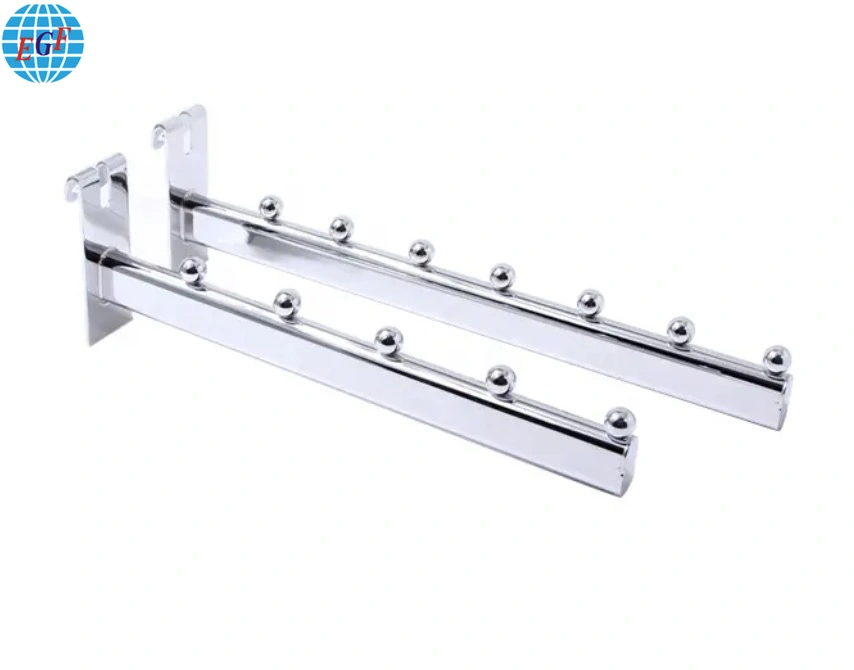
Display hook specifications determine product presentation effectiveness in retail environments. Hook design selection affects merchandise visibility and customer purchasing decisions.
Retail Display Hook Categories
Custom display hooks manufacturing requires evaluation of specific retail applications. Retail environments use distinct attachment systems for wall mounting, shelf installation, and display unit integration. Standard attachment categories include:
- Pegboard hooks – Compatible with pegboard display systems
- Slatwall hooks – Designed for slatwall mounting applications
- Cliphead hooks – Suitable for temporary display installations
- Fast-stab hooks – Used with mesh display systems and portable setups
Hook length specifications match product requirements. Longer hooks support larger merchandise items while shorter hooks accommodate smaller products without visual obstruction. Proper hook selection ensures merchandise security and optimal display presentation.
Product Design and Material Specifications
Retail display design applications require specific material properties and visual characteristics. Product positioning follows established retail principles that direct customer attention to merchandise rather than display fixtures.
Color specifications affect customer response patterns. Red and yellow colors create purchasing urgency, while blue suggests product reliability and green provides natural appeal. Material selection determines both appearance and load capacity. Metal hooks provide structural support for heavy merchandise, while plastic hooks offer cost-effective solutions for lightweight products and temporary installations.
Display hook design focuses on product visibility without unnecessary decoration. Simple designs highlight merchandise and allow clear product messaging.
Manufacturing Partnership Requirements
Custom retail display manufacturers follow structured development processes from initial specifications through final production. Client consultation covers brand requirements, target customers, and specific product applications. Design blueprints incorporate material specifications and engineering requirements for both visual appeal and structural performance.
Manufacturing services include color matching to brand specifications and logo application through engraving or printing processes. Brand customization options enhance product recognition at retail locations. Manufacturing partners provide solutions that meet both functional requirements and effective product presentation standards.
Material Selection and Sourcing for Hook Durability
Material specifications determine display hook performance and service life in retail environments. Custom display manufacturers source materials based on load requirements, environmental conditions, and cost specifications.
Choosing Between Metal, Plastic, and Wood
High-grade steel provides superior strength characteristics for heavy-duty applications. Steel hooks support extended load requirements and resist deformation under continuous use. American steel with powder coating finish prevents surface deterioration and maintains appearance over extended service periods.
Plastic materials offer cost-effective solutions for lightweight product displays and temporary installations. Plastic hooks serve applications where frequent display changes occur or where budget constraints limit material selection.
Wood materials provide specific aesthetic properties for specialized retail environments. Wood hooks match certain store designs and appeal to retailers requiring natural material finishes.
Sourcing from Sustainable Suppliers
Manufacturing processes now incorporate ECO-FAST™ additives that accelerate material breakdown while maintaining structural integrity. These additives allow standard hook performance during use with accelerated degradation after disposal.
Recyclable paper-based hooks serve extremely lightweight applications. Paper materials reduce environmental impact while maintaining functionality for specific product categories.
Impact of Material on Load Capacity and Finish
Load capacity varies significantly based on material selection and installation methods. Standard metal hooks support 10-20 pounds in drywall applications and 30-50 pounds when anchored to structural members. Reinforced slatwall with aluminum inserts achieves 50-pound capacity per bracket versus 12 pounds for standard configurations.
Surface finishing affects both durability and appearance characteristics. Powder coating creates corrosion-resistant surfaces while electroplating produces smooth, reflective finishes. Both processes extend hook service life and provide aesthetic options for brand-specific requirements.
Production Process: Wire Forming to Finished Hooks

Manufacturing display hooks requires precise wire forming techniques and automated production systems. Production facilities utilize specialized equipment to transform raw materials into finished retail fixtures.
Wire Forming Equipment and Production Methods
CNC machinery operates with computerized instructions to bend wire into specific hook configurations. Production capacity reaches 4,500 wire shapes per hour using automated systems. Fourslide wire forming equipment uses cam-controlled slides in a square formation for progressive material shaping. The wire forming process includes four stages: drawing, straightening, forming, and finishing.
Surface Treatment Applications
Hook finishing involves powder coating or electroplating applications. Powder coating uses the electrostatic application of dry powder followed by heat curing. This creates protective layers without volatile organic compounds. Electroplating immerses hooks in electrolyte solutions containing dissolved metal ions for uniform metallic coating application. Electroplating provides surface uniformity and detail preservation. Powder coating offers cost-effective long-term performance.
Production Quality Standards
Manufacturing operations include quality inspections at multiple production stages. Initial production checks, random sampling, and final inspections examine specifications, dimensions, workmanship, and functionality.
Load Testing and Performance Verification
Sample hooks undergo load capacity testing before shipment to verify structural performance. Batch testing confirms consistent weight-bearing capabilities across production runs.
Customization Options and Branding Services

Display hook customization services include logo engraving, color matching, and specialized packaging options. Manufacturing facilities provide personalization capabilities for retail branding requirements.
Logo Engraving and Color Specification Services
Custom display manufacturers offer two primary logo application methods: laser engraving and pad printing processes. Laser engraving creates permanent logo impressions at approximately $0.60 per unit for single-side applications. Pad printing provides color logo options with $100 plate setup charges and $0.35 per unit costs. Minimum order quantities typically require 500 units.
Color matching utilizes Pantone Matching System (PMS) standards with 1,114 available color options for consistent brand representation. This standardization maintains uniform color specifications across different production batches.
Packaging Solutions for Display Hooks
Retail packaging systems follow industry requirements for efficient stocking and display. Packaging design considers identification, handling, opening, shelving, and disposal requirements.
Packaging Configuration Options
Cost considerations influence 67% of consumer purchasing decisions. Bulk packaging reduces material costs and production expenses through economy of scale. Individual packaging creates distinctive presentation options, with 53% of consumers making unplanned purchases based on packaging appearance.
Manufacturing facilities provide both packaging configurations based on customer requirements and distribution methods.
Summary
Custom display hook manufacturing involves multiple production factors that determine final product quality and retail effectiveness. Material selection between metal, steel, and plastic affects durability specifications and weight capacity requirements for different merchandise applications.
Custom display manufacturers provide specialized knowledge about attachment systems, load specifications, and finishing processes. These manufacturing partnerships deliver fixtures that meet product display requirements while incorporating brand-specific customization features, including logo engraving and color matching services.
Production technologies, including CNC bending and wire forming equipment, ensure precision manufacturing at a commercial scale. Surface treatment processes such as powder coating and electroplating provide corrosion protection and appearance enhancement. Quality control procedures verify strength specifications and consistency standards before product shipment.
Display hook manufacturing balances functional requirements with visual presentation needs. Design specifications, material properties, and branding elements create fixtures that support merchandise presentation while meeting retail environment demands.
Sustainability considerations include eco-friendly material options and manufacturing processes that meet environmental requirements. Custom display manufacturing adapts to industry standards and environmental compliance regulations.
Display hooks serve as retail fixture components that support product presentation and brand recognition. Manufacturing precision and design specifications create retail environments where merchandise receives proper display support and customer visibility.
Key Takeaways
Master the complete custom display hook manufacturing process to create retail fixtures that enhance product presentation and drive sales success.
• Design hooks for specific retail environments – Match attachment styles (pegboard, slatwall, cliphead) to display systems and product weight requirements for optimal functionality.
• Select materials strategically for durability and cost – Choose metal for heavy-duty applications, plastic for lightweight temporary displays, and consider sustainable options like recyclable materials.
• Leverage CNC technology for precision manufacturing – Automated wire forming produces up to 4,500 hooks hourly while maintaining consistent quality and dimensional accuracy.
• Implement rigorous quality control throughout production – Conduct batch testing for load capacity and strength to ensure hooks meet safety standards and performance specifications.
• Customize hooks as branding tools – Use laser engraving, color matching, and logo printing to transform functional fixtures into marketing assets that reinforce brand identity.
• Balance esthetics with functionality in design – Apply visual hierarchy principles and minimalist approaches to highlight products while ensuring structural integrity for long-term use.
When executed properly, custom display hook manufacturing creates retail fixtures that serve as silent salespeople, guiding customers toward products while withstanding demanding retail environments and supporting sustainable business practices.
FAQs
Q1. What are the key steps in custom display hook manufacturing? Custom display hook manufacturing involves designing hooks for specific retail environments, selecting appropriate materials, using CNC technology for precision production, implementing quality control measures, and customizing hooks with branding elements.
Q2. How do manufacturers ensure the durability of display hooks? Manufacturers ensure durability by carefully selecting materials like metal for heavy-duty applications or plastic for lightweight displays. They also use surface finishing techniques such as powder coating or electroplating to enhance resistance to wear and tear.
Q3. What customization options are available for retail display hooks? Customization options include laser engraving, pad printing for logos, color matching to brand standards, and various packaging options. These allow retailers to transform functional hooks into branded marketing assets.
Q4. How do manufacturers determine the appropriate hook design for different products? Manufacturers consider factors such as product weight, display type (e.g., pegboard, slatwall), and visual merchandising requirements. They balance esthetics with functionality to create hooks that securely hold items while enhancing product presentation.
Q5. What role does sustainability play in modern display hook manufacturing? Sustainability is increasingly important, with manufacturers offering eco-friendly options such as recyclable materials or hooks with additives that accelerate biodegradation. This allows retailers to reduce their environmental impact without compromising on display quality.