
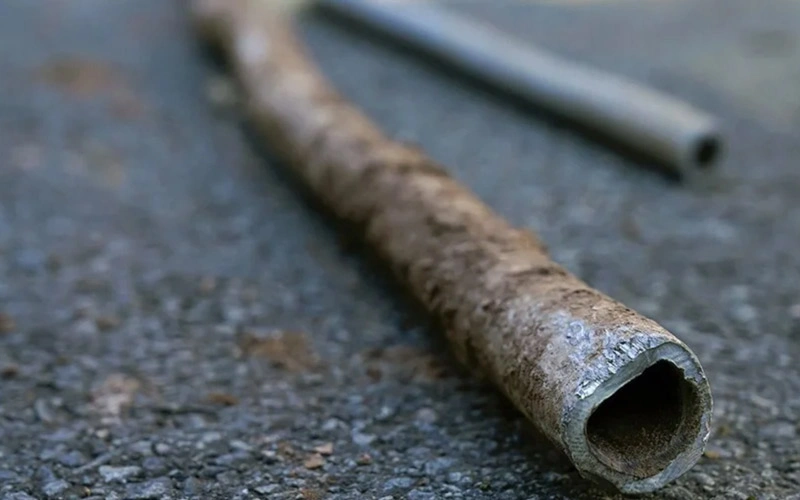
Does lead rust when exposed to air and moisture? The answer may surprise those familiar with how iron corrodes. Lead does not rust like iron. It forms a stable white-gray corrosion layer that protects the metal from further damage. This protective barrier, lead carbonate or lead oxide, prevents deep corrosion and explains why lead pipes in ancient Roman aqueducts remained functional for centuries. But understanding lead corrosion requires looking beyond surface assumptions. Does lead oxidize or corrode under certain conditions? The process of corroding lead is substantially different from iron rusting, and environmental factors play a significant role. In this piece, we explore what oxidized lead looks like, the factors that accelerate lead corrosion, and practical methods to protect lead materials from degradation.
Why Lead Doesn’t Rust Like Iron
Understanding Lead’s Chemical Properties
Lead possesses an atomic number of 82 and belongs to the heavy metals with unique chemical behavior. Relativistic effects stabilize its outer electrons by reinforcing the 6s orbital. This makes lead much less reactive than many common metals. This atomic configuration explains why lead resists environmental degradation far better than iron or steel.
The metal sits low on the electrochemical series, suggesting reduced reactivity compared to iron. Then lead maintains stability in conditions that would deteriorate more reactive metals faster. This fundamental difference in chemical reactivity determines how each metal responds to oxygen and moisture exposure.
How Lead Oxidation Is Different from Iron Rusting
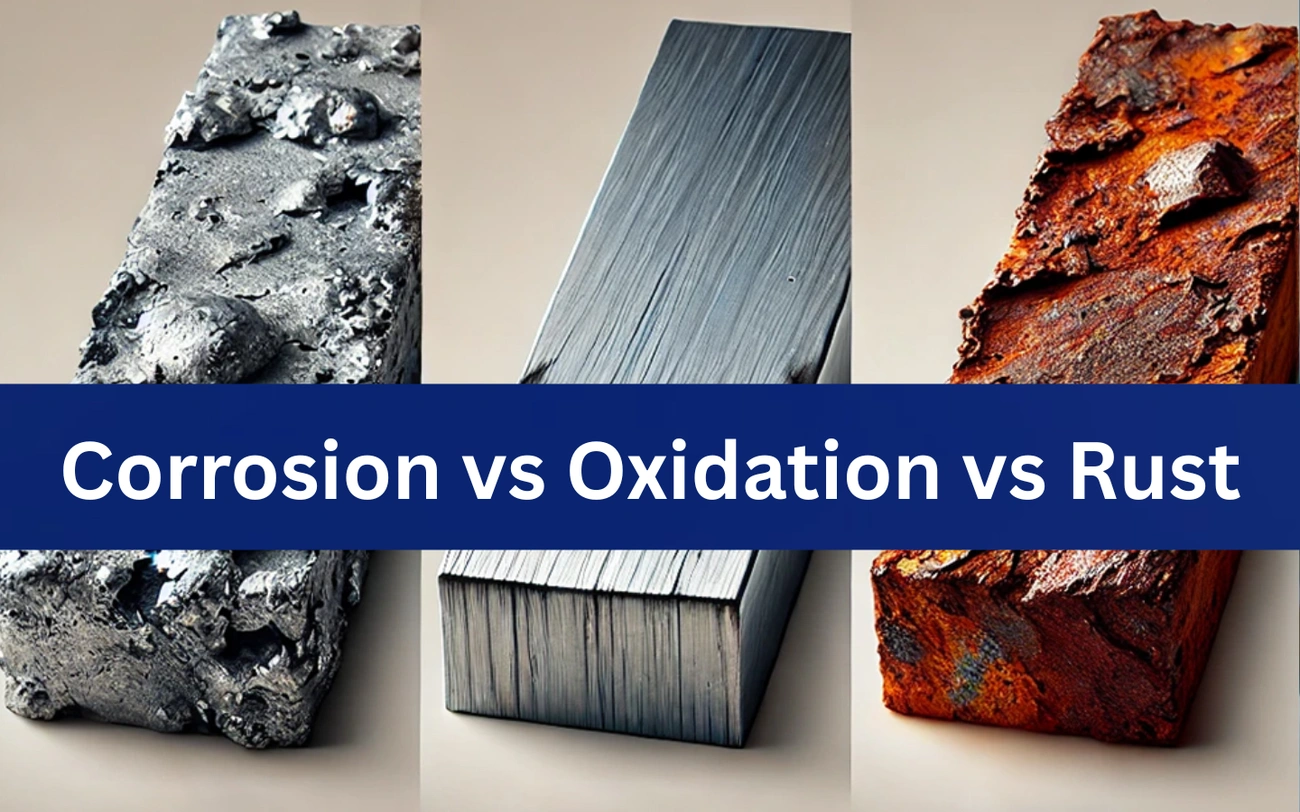
Rust refers only to iron oxide formed when iron reacts with oxygen and water. Since lead contains no iron, the term “rusted lead” represents a technical misconception. People who observe corroding lead witness a different chemical process.
Iron oxidation produces hydrated iron(III) oxide, which forms porous, flaky layers that expose fresh metal to further attack. This cycle perpetuates until the iron structure fails. Lead oxidation creates stable compounds including lead oxide (PbO), lead carbonate (PbCO3), and lead sulfate (PbSO4) that adhere tightly to the metal surface.
The visual differences reveal distinct chemical processes. Corroded lead appears dull, chalky, or powdery with a whitish-gray appearance. This is unlike the characteristic red-brown flakes of iron rust. Lead undergoes much slower oxidation than iron in acidic environments due to lower electrochemical reactivity. To name just one example, lead becomes passivated in sulfuric acid through insoluble lead sulfate formation, whereas iron reacts violently and liberates hydrogen gas.
The Protective Layer Lead Forms
Lead reacts slowly with atmospheric oxygen to form lead(II) oxide when exposed to air. This oxide layer further reacts with carbon dioxide and produces lead carbonate. The result is a dull gray patina. The coating prevents corrosive agents from penetrating deeper into the metal.
This protective mechanism functions because lead compounds form compact, non-porous films that halt further reaction between the metal and atmosphere. The oxide scales adhere strongly to the lead surface and provide protection. Iron structures require regular maintenance to prevent rust, while lead can last for many years with minimal intervention due to this self-protecting characteristic.
What Does Lead Corrosion Look Like
Visual Signs of Corroding Lead
You need to distinguish stable patina from active degradation to recognize lead corrosion. The metal surface shows a darker gray coating when a stable patina appears. Active corrosion, in contrast, shows as loosely adherent white powder that may form evenly on the surface or concentrate in pinpoint spots. Powder surrounding an undisturbed object provides clear indication of ongoing corrosion. This white powder consists of basic lead carbonate, known as lead white. Severe cases produce residue called “lead disease,” “lead rot,” or “lead bloom”.
Color Changes from Gray to White
Corroding lead follows a predictable color sequence. A dull gray film appears on the metal surface as corrosion begins. The color changes to chalky white encrustation that can flake away as oxidation advances. The transition moves from metallic bluish-white to dull gray or off-white as different compounds develop. Tarnish or patina maintains a dark gray appearance, while corrosion products emerge as white deposits. Powdery white deposits indicate lead sulfate formation from sulfur pollution in industrial regions. Some outdoor installations develop unusual red-brown to purple-brown surface discoloration, attributed to lead dioxide formation.
Texture and Pattern Differences
Surface texture transforms as lead corrosion progresses. The metal becomes less smooth and develops powdery or crusty accumulation of corrosion products. Severe degradation shows as pitting or structural thinning requiring replacement in critical applications. Pitting and patchy corrosion result from chloride ion exposure near ocean environments. Corrosion patterns vary based on exposure conditions and appear either evenly distributed or as separate spots. Thin pieces corrode faster than solid shapes, with corrosion observed first along thin edges of parts.
Environmental Factors That Cause Lead Corrosion
Does Lead Oxidize in Air and Moisture
Atmospheric exposure initiates lead oxidation through interaction with oxygen molecules. Humidity accelerates this process and enables electrochemical reactions on the metal surface. Research on industrial lead oxide production shows that air humidity around 60% produces optimal oxidation conditions. Water temperature, mineral content and stagnant contact time further influence reaction rates.
Lead’s reactivity in water systems depends on pH and dissolved minerals. Soft or acidic water leaches lead more aggressively and forms soluble compounds like lead hydroxide. Hard water containing calcium or magnesium reduces solubility. It precipitates insoluble lead carbonate or sulfate.
Acidic Environments and Lead Decay
Water acidity affects lead corrosion rates and solubility. Lead leaching increases 40% in acidic water below pH 7 compared to alkaline or neutral conditions. Lead solubility then approaches or exceeds 100 parts per billion near pH 6.5. Above pH 8, solubility drops to 10 parts per billion.
Corrosive groundwater destabilizes protective scales on pipe interiors and causes lead to leach into drinking water supplies. Cities that maintain pH levels below optimal ranges experience elevated lead concentrations. London, Ontario saw 25% of sampled homes exceed safety standards after pH decreased from 8.0 to 7.0.
Salt Water and Chloride Effects
Chloride presence accelerates lead corrosion through multiple mechanisms. Road salt application introduces chlorides that corrode plumbing and release toxic metals. Research shows that 21% of surveyed wells near salt-treated roads exceeded EPA chloride limits. 20% showed lead or copper above action levels.
The chloride-to-sulfate mass ratio serves as a critical corrosion indicator. Values exceeding 0.5 promote galvanic corrosion between dissimilar metals. Chlorides prevent protective film formation while sulfates inhibit corrosion.
Industrial Pollution Impact
Atmospheric pollutants such as sulfur dioxide react with lead surfaces and form sulfates. This increases corrosion rates. Particulate matter deposits on metal surfaces. Hygroscopic salts within these particles retain moisture and keep surfaces wet longer. This accelerates electrochemical corrosion reactions.
How to Prevent and Protect Lead from Corrosion
Protecting lead materials from corrosion requires targeted strategies addressing both surface treatments and water chemistry modifications.
Protective Coatings for Lead Surfaces
Encapsulant coatings create elastomeric barriers that seal lead surfaces and prevent oxidation exposure. Products like CHEMSAFE LEAD PROTECT form protective barriers blocking lead dust and debris. Lead Shield binds residual lead-based paint and accepts topical coverings as a one-step application. LeadX clear encapsulation tests negative for lead when applied over solid lead blocks, which shows effective abatement capabilities.
Controlling pH Levels in Water Systems
Water utilities maintain pH above 7 to reduce lead solubility, between 7.3 and 7.6. Orthophosphate addition at about 1 milligram per liter forms protective coatings inside metal service lines. This treatment proves especially effective at pH 7.5 or higher and achieves about 70% reduction in lead concentrations. The orthophosphate barrier reforms if disturbed and provides continuous protection.
Storage and Maintenance Best Practices
Water quality monitoring detects corrosion early when done on a regular basis. Utilities adjust alkalinity levels to stabilize pH and reduce corrosivity. Metal concentrations drop when you flush systems, which brings lead values below maximum acceptable limits.
When to Replace Corroded Lead
Water systems must replace lead service lines when lead concentrations exceed the EPA action level of 0.010 mg/L. Replacement costs average USD 4,700 per line. Full replacement is required within 10 years after November 1, 2027.
Conclusion
Lead corrosion is fundamentally different from iron rusting. It forms protective layers rather than destructive flakes. Property owners can identify problems early when they spot the white-gray appearance of oxidized lead. Environmental factors like pH levels, chlorides and atmospheric pollution substantially accelerate degradation rates.
Protective coatings and proper water chemistry management work to prevent lead corrosion in most applications. Regular monitoring and maintenance ensure lead materials remain stable for decades. But when corrosion advances beyond surface patina, replacement becomes the safest long-term solution.
FAQs
Q1. How quickly does lead corrode compared to other metals? Lead corrodes very slowly due to its low reactivity and stable atomic structure. Unlike iron, which continuously flakes away as it rusts, lead forms a protective coating on its surface that prevents further corrosion. This self-protecting layer allows lead to remain stable for many years with minimal maintenance.
Q2. Is oxidized lead harmful to health? Yes, oxidized lead can be harmful if it enters your body. When lead oxidizes, it can form a white powdery substance that may become airborne as dust. Inhaling or ingesting this lead dust poses health risks. If you’re handling oxidized lead surfaces, it’s important to wear protective equipment and clean the area properly to prevent exposure.
Q3. What causes lead to corrode faster in certain environments? Several environmental factors accelerate lead corrosion. Acidic water (pH below 7) increases lead leaching by approximately 40% compared to neutral or alkaline conditions. Chlorides from road salt and seawater also speed up corrosion, while industrial pollutants like sulfur dioxide react with lead surfaces to form corrosive compounds. High humidity levels around 60% create optimal conditions for oxidation.
Q4. Can you prevent lead from corroding? Yes, lead corrosion can be prevented through several methods. Applying protective encapsulant coatings creates a barrier against oxidation. In water systems, maintaining pH levels above 7 (typically between 7.3-7.6) and adding orthophosphate treatments can reduce lead corrosion by approximately 70%. Regular monitoring and proper storage conditions also help minimize degradation.
Q5. When should corroded lead be replaced? Lead should be replaced when corrosion advances beyond surface patina to cause structural damage like pitting or thinning. In water systems, replacement is required when lead concentrations exceed the EPA action level of 0.010 mg/L. Severe corrosion that produces loose white powder, significant texture changes, or compromises the material’s integrity indicates the need for replacement rather than repair.