
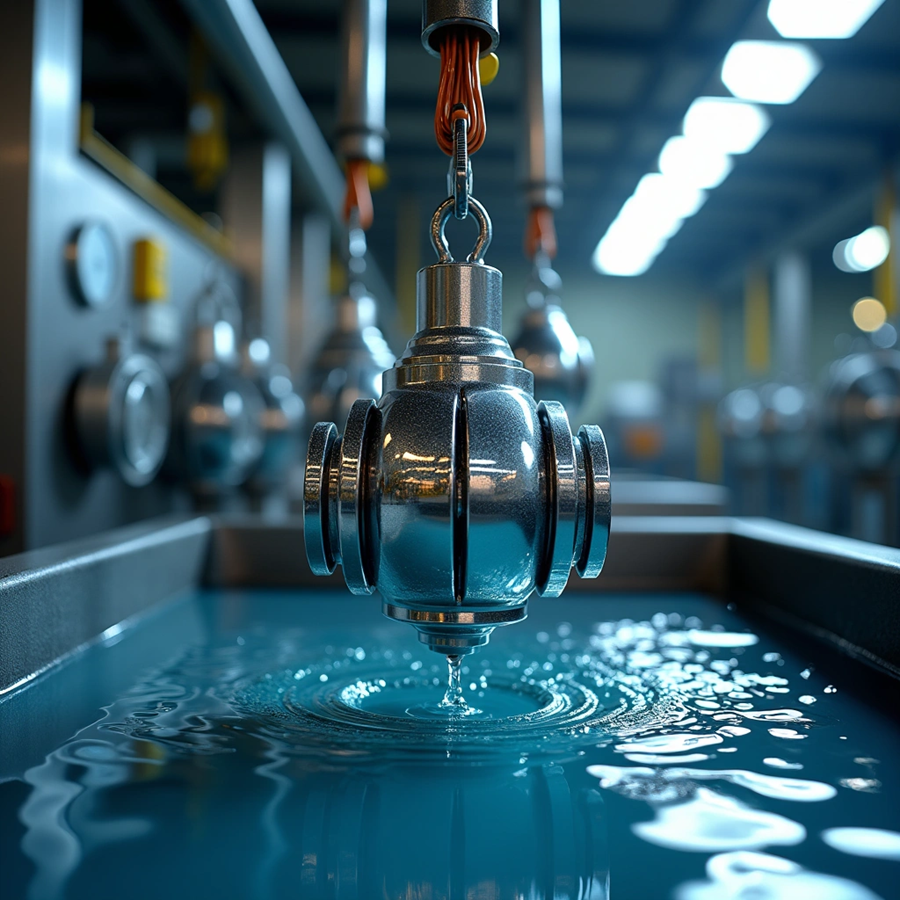
Chrome plating was developed in the 1920s and became a symbol of modern design by the mid-20th century. It remains vital in industries of all types today due to its properties. Hard chrome plating achieves a hardness of HRB68 to 72 and extends the base materials’ wear life by 2 to 10 times.
Manufacturers need to understand the chrome plating process, how chromium electroplating works, and the different types of chrome plating to achieve optimal results. This piece covers everything about hard chrome plating, from step-by-step procedures to common mistakes that compromise quality.
Understanding the Chrome Plating Process
What is Chromium Electroplating
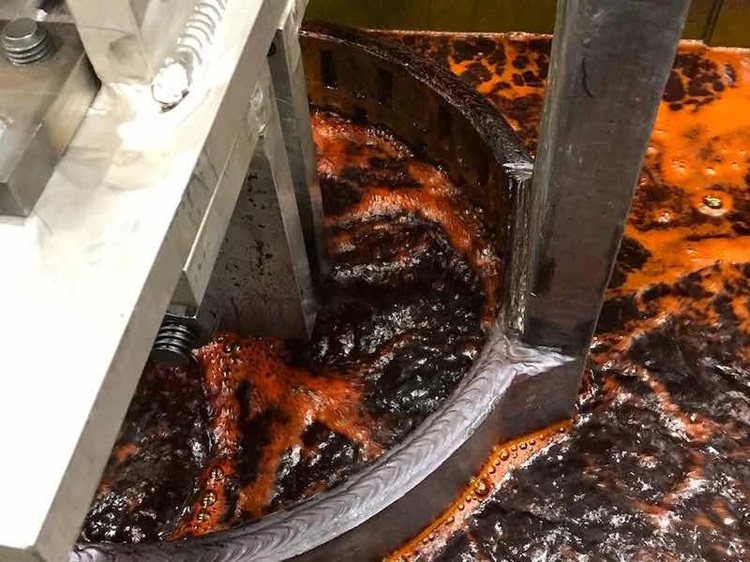
Chromium electroplating applies a thin layer of chromium onto various substrate materials to improve surface properties. Chromium, a naturally occurring metallic element, serves as an effective plating material rather than existing in solid form for most applications. The process deposits chromium coatings on steel, brass, aluminum, plastic, copper, and stainless steel. These coatings provide improved durability, corrosion resistance, reduced friction, and better visual appeal.
The terms chrome electroplating, chrome dipping, and chroming refer to the same electrochemical process. Two main methods exist for chromium electroplating: hexavalent chromium plating and trivalent chromium plating. Hexavalent chromium represents the traditional approach and is used widely for functional applications. This method involves the most toxic form of chromium, recognized as a human carcinogen, and produces hazardous waste that requires careful treatment before disposal.
Trivalent chromium plating uses chromium sulfate or chromium chloride as its main ingredient. This process offers a less toxic alternative for certain applications and coating thicknesses. Trivalent chromium remains far more environmentally friendly than hexavalent chromium, though its use still requires adherence to strict safety regulations.
How Does Chrome Plating Work
The chrome plating process begins with thorough cleaning and degreasing of the metal workpiece to remove all dirt traces. After cleaning, the workpiece enters a chromium anhydride tank where an electrical charge initiates a chemical reaction. This reaction causes chromium to adhere to the workpiece surface. A typical hard chrome vat plates at approximately 0.001 inches per hour.
The electrochemical process reduces dissolved metal cations using electrical currents and forms a coherent metal coating. Hexavalent chrome plating typically has three major components: an activation bath that etches the workpiece surface and removes scale, a chromium bath containing chromium trioxide and sulfuric acid in prescribed ratios, and rinse cycles that remove remaining chemicals. Temperature and current density in the bath directly affect the brightness and final coverage of the deposited chromium.
Key Components of the Electroplating System
Four components make up an electroplating system. The rectifier receives power from electrical lines and converts alternating current (AC) to direct current (DC). This device transforms high voltage, low amperage AC supply into much lower voltage and increased amperage DC supply suitable for metal finishing operations.
The electrolyte consists of an aqueous ionic solution containing ingredients that assist electrodeposition. These ingredients include the metals being deposited and conducting salts that promote electrochemical stability. The anode, or positively charged electrode, either consists of the metal being deposited or serves solely to transmit electrical current. In chromium plating, lead anodes transmit current without contributing material.
The cathode represents the object being plated. As a negatively charged component, it attracts ions reduced at the anode. Once the electrolyte bath receives power, metal at the anode oxidizes and converts atoms into positive ions. These ions migrate to and bond with the negatively charged object, creating a thin layer of adhered metal over time.
Types of Chrome Plating and Their Applications
Hard Chrome Plating for Industrial Use
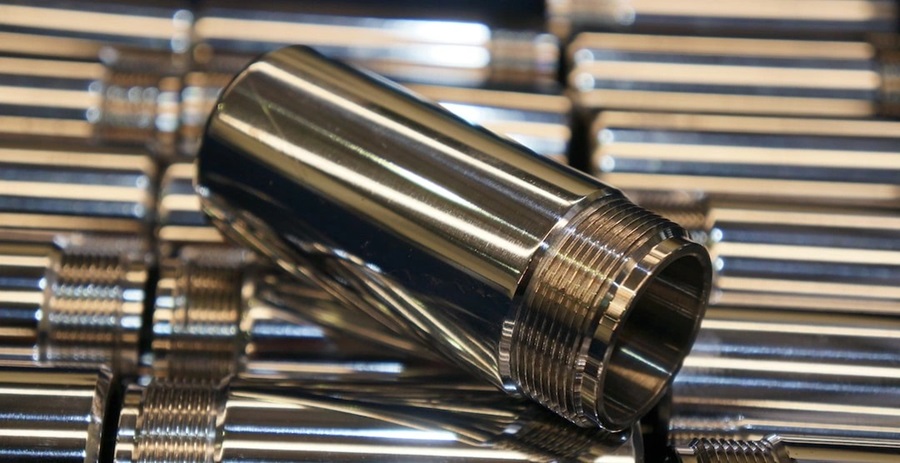
Industrial hard chrome plating separates itself from decorative applications through wear resistance. The process deposits chromium in thicknesses ranging from 0.0002 to 0.020 inches or more. Hard chrome achieves exceptional hardness, measuring between 65 to 72 HRC on the Rockwell Hard C test. This hardness creates a unique combination of properties that no other material available on the market can match when combined with superior adhesion, wear resistance and low coefficient of friction.
Hard chrome plating serves critical functions in industries of all types. Hydraulic cylinders and pistons, automotive components, rolls, molds, dies, mining equipment and pump shafts all benefit from this coating. The printing industry applies hard chrome to copper engraved plates and cylinders for corrosion and wear resistance. Hard chrome can rebuild lost metal on machined parts that become damaged or worn. Parts can be ground back to original tolerances with improved wear life.
Decorative Chrome Plating for Esthetics
Decorative chrome plating applies thin coatings between 2 to 20 μin, ranging from 5 to 10 μin most of the time. This process creates a bright, mirror-like finish mainly for esthetic appeal. The chromium layer applies over nickel plating rather than directly to the base metal. The nickel underlayer provides corrosion protection to the base material. The chrome top coat prevents nickel oxidation and tarnishing.
Automotive parts represent a major application area. Decorative chrome appears on bumpers, trim, door handles and grills. The coating protects these components from rust during exposure to rain or snow. Tools such as wrenches, pliers and sockets receive decorative chrome finishes for improved durability. Kitchen utensils benefit from the coating’s corrosion and heat resistance while remaining easy to clean.
Hexavalent vs. Trivalent Chrome Plating
Hexavalent chromium plating uses chromium trioxide and sulfuric acid in its bath chemistry. Hexavalent chromium presents serious hazards as a known carcinogen despite its effectiveness. The EPA regulates it and REACH in the European Union classifies it as a substance of very high concern.
Trivalent chromium plating employs chromium sulfate or chromium chloride instead. This alternative offers lower toxicity while providing corrosion resistance and scratch resistance that match hexavalent chrome. Trivalent chrome requires tighter process control and more expensive chemicals but consumes less energy and produces less hazardous waste.
Black Chrome and Specialty Finishes
Black chrome plating delivers a dark, lustrous appearance with excellent corrosion resistance. This finish combines reflective properties with modern esthetics and creates depth and unique shades depending on lighting conditions. Applications span automotive trim and accents, architectural fixtures, electronics casings and solar technology where improved heat absorption boosts efficiency.
Unique Challenges & Solutions in Chrome Plating MIM & PM Parts
Overcoming Porosity: The Critical Role of Resin Impregnation
Metal Injection Molding and Powder Metallurgy components emerge from sintering furnaces with 95-99% theoretical density. This density appears acceptable. The remaining 1-5% represents interconnected pores that create surface-connected networks measuring Ra 0.8-1.6 µm in surface roughness. These microscopic voids act as capillary channels and absorb liquids during chrome plating operations.
The failure mechanism follows a predictable pattern. Acid pickling or electroplating allows low surface-tension chemicals to penetrate surface-connected pores via capillary action. Water’s high surface tension prevents displacement of trapped chemicals during rinsing. So days or weeks after plating, humidity changes cause trapped salts to absorb moisture through deliquescence. They expand and weep onto finished surfaces as corrosion spots.
Vacuum resin impregnation addresses this challenge through a controlled process. The system evacuates air at 28-29 inches Hg and introduces resin under vacuum that is managed to stay constant. It then applies 80-100 psi pressure to force resin into smallest voids. Parts undergo spinning to recover excess resin. Water washing removes surface residue and heat curing at 90°C polymerizes the sealant. Porosity refers to microscopic defects in electroplated products. These appear as small holes in coatings under 1.25 microns thick. These pores reach down to base material or stop at underplates and cause corrosion when exposed to harsh environments.
Copper Infiltration vs. Resin Impregnation for Plating Preparation
Copper infiltration fills pores through a different mechanism. A measured copper-base alloy spreads over porous ferrous compacts. Both components then sinter at temperatures exceeding 2000°F. The molten copper flows into porosity through capillary action and solidifies within the ferrous structure upon cooling. This process seals components, increases density and provides corrosion resistance.
Copper infiltration proves more effective in filling pores compared with resin impregnation. The combination of iron and copper gives smooth, uniform surfaces for electroplating finishes. JH MIM brings almost 20 years of experience in the Metal Injection Molding and Powder Metallurgy industry. Factories covering more than 18,000 square meters and world-class equipment operated by 150 skilled workers give precision-engineered products to global customers. JH MIM is a leading Metal Injection Molding manufacturer.
Density Variations and Their Effect on Plating Uniformity
Densities below 95% create interconnected surface-connected pores that form absorption networks. Even at 97-98% density, the remaining 2-3% porosity contains surface-connected pores that trap process chemicals. These density variations in parts create non-uniform plating conditions. Areas with higher porosity absorb more electrolyte and exhibit different current density responses during chromium electroplating.
Step-by-Step Chrome Plating Process
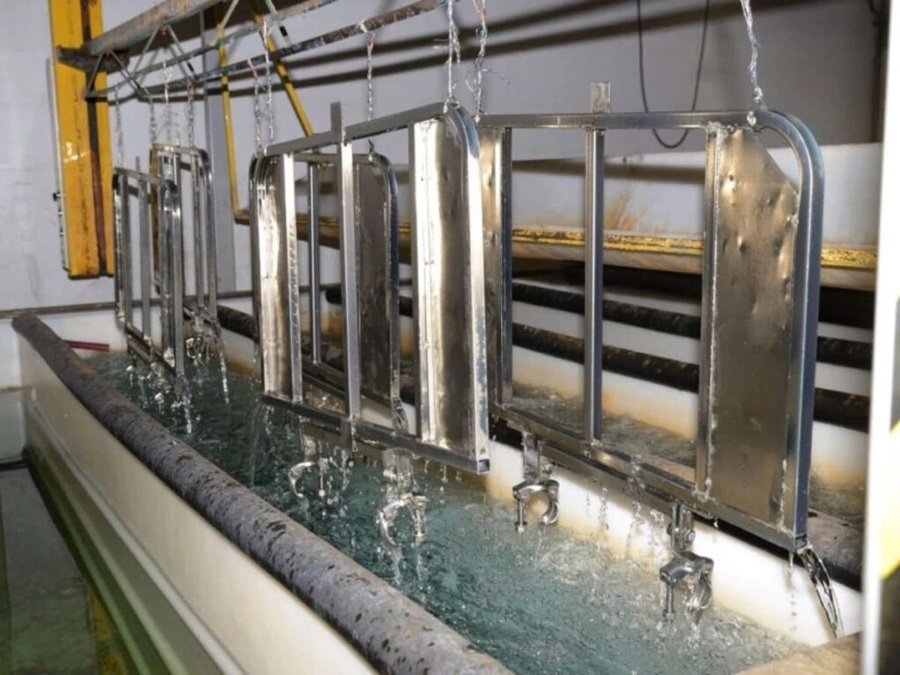
Parts undergo sequential treatments after substrate preparation. These treatments determine coating quality and adhesion strength.
Acid Etching and Activation
Etching removes microscopic oxidation layers that form on metal surfaces exposed to air. This step roughens the substrate to boost chromium adhesion rather than serving as a cleaning operation. Steel and stainless steel need sulfuric acid, while hydrochloric acid removes scale and rust with good results. Etch time ranges from 10 to 30 seconds. Maximum exposure is limited to 45 seconds to prevent base material damage. A chromic acid concentration of 32 oz/gal provides optimal control without sulfuric acid addition. Parts must transition to plating right after activation. This prevents oxide reformation.
The Electroplating Bath Setup
The chromium bath combines chromium trioxide and sulfuric acid in ratios that vary from 75:1 to 250:1 by weight. This creates a very acidic environment at pH 0. Lead-tin alloy or platinized titanium anodes transmit electrical current without dissolving into the solution. Bath agitation maintains temperature stability and achieves uniform chromium deposition on part surfaces. Voltage ranges from 6 to 12 volts DC depending on part size and bath chemistry.
Controlling Current Density and Temperature
Temperature ranges determine coating characteristics. Decorative chrome requires 35 to 45°C, while hard chrome operates between 50 and 65°C. Higher current density needs elevated temperatures for optimal deposition. Plating time spans 20 to 60 minutes for decorative applications. It extends to several hours for hard chrome thickness requirements. A standard hard chrome vat deposits about 0.001 inches per hour.
Post-Treatment and Finishing
Multiple rinse tanks with progressive dilution remove residual plating solution. The first tanks eliminate bulk acid, while later stages ensure complete cleanup. Deionized water finishing prevents mineral deposits and water spots on freshly plated surfaces. Parts require careful handling with gloves or tongs. This avoids contamination that compromises surface quality.
Essential Tips for Successful Chrome Plating
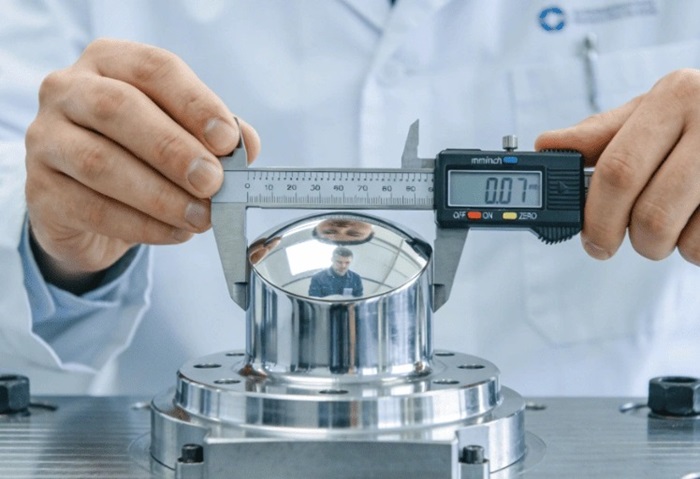
Success in chromium electroplating depends on consistent practices beyond the simple process steps covered earlier.
Proper Surface Preparation Techniques
Contaminant-free surfaces determine adhesion strength. Parts require handling with lint-free gloves after degreasing to prevent oil transfer from skin contact. Ultrasonic cleaning removes embedded particles from recessed features and threaded holes that manual methods miss. Visual inspection under proper lighting reveals remaining defects before parts enter acid etching after these mechanical steps.
Optimal Bath Chemistry
Bath analysis schedules prevent chemistry drift. Temperature monitoring equipment needs calibration checks weekly, as readings off by even 3°C alter deposition rates. Chromium trioxide concentration testing occurs daily when running production volumes. Amp-hour consumption rather than arbitrary time intervals should guide sulfuric acid ratio adjustments. Filtration systems remove particulate contamination that causes rough deposits.
Quality Control, Adhesion Testing, and Inspection Methods for Sintered Metals
Bend testing verifies coating adhesion by flexing plated samples without cracking or peeling. Tape pull tests assess bond strength on flat surfaces. Cross-sectional microscopy reveals whether resin impregnation sealed all surface-connected pores before plating for MIM and PM components. Salt spray exposure identifies premature corrosion from incomplete sealing or insufficient coating thickness.
Common Mistakes to Avoid in Chrome Plating
Defects in chrome plating operations stem from identifiable errors in execution rather than inherent process limitations.
Poor Surface Preparation Errors
Contamination from oils, grease, oxides, rust or residues prevents bonding between chromium and substrate. Surface pitting and defects trap contaminants and weaken bonding strength. Lack of proper roughening through grit blasting compromises mechanical adhesion.
Inadequate Cleaning Leading to Blistering
Blistering occurs at the time hydrogen or nitrogen gasses expand from inside pores of plated objects. Lubricants applied during die manufacturing cause these trapped gasses, which expand and push against chromium to create visible bubbles at the time heated. Dirt particles cause blistering due to poor adherence.
Burned Deposits from High Current Density
Dark or burnt spots appear at edges and high-current-density areas at the time excessive current causes rapid chromium buildup. Chromium deposits quickly under these conditions and results in burned areas. Poor anode-cathode positioning and imbalanced solution chemistry contribute to burning.
Peeling and Adhesion Failures
Chrome layers peel, flake or separate from substrates due to inadequate surface preparation and insufficient etching. Current interruptions during plating lead to flaking and adhesion issues. Excessive coating thickness creates brittleness and causes coatings to flake during assembly or transport.
Overlooking Safety and Environmental Regulations (RoHS & REACH)
RoHS restricts hexavalent chromium below 0.1% by weight in electrical equipment. REACH classifies hexavalent chromium as a Substance of Very High Concern due to carcinogenic properties. Products containing more than 0.1% SVHC require consumer notification and database entry.
Conclusion
Chrome plating success hinges on careful attention to surface preparation and bath chemistry control while following process parameters closely. The challenges with MIM and PM parts require specialized knowledge of porosity management. You need resin impregnation or copper infiltration before plating begins. Quality results separate from failures that get pricey when you avoid common mistakes. These include inadequate cleaning, excessive current density and poor substrate preparation. JH MIM brings nearly 20 years of experience in the Metal Injection Molding and Powder Metallurgy industry. Our factories cover more than 18,000 square meters and world-class equipment is operated by 150 skilled workers. We provide precision-engineered products to global customers as a leading Metal Injection Molding manufacturer in China. Become skilled at these fundamentals and maintain consistent quality control practices. Your chrome-plated components will deliver the durability and esthetic excellence your applications demand.
FAQs
Q1. What causes small pits and rough spots on chrome-plated surfaces? Rough spots and pitting on chrome plating typically result from particulate contamination in the bath, inadequate surface preparation, or air bubbles adhering to parts during plating. High surface tension in the plating solution can also cause these defects. Proper filtration, maintaining correct bath chemistry, and ensuring adequate agitation help prevent these issues.
Q2. How do you prevent blistering in chrome plating? Blistering occurs when trapped gasses (hydrogen or nitrogen) expand beneath the chrome layer. This problem stems from inadequate cleaning that leaves lubricants, oils, or contaminants on the substrate. Thorough degreasing and cleaning before plating, combined with proper surface activation, prevents gas entrapment and eliminates blistering.
Q3. Why do chrome-plated parts sometimes peel or flake? Peeling and flaking happen due to poor adhesion between the chrome layer and substrate. The main causes include insufficient surface preparation, inadequate etching before plating, current interruptions during the electroplating process, or applying excessively thick coatings. Proper surface roughening and maintaining consistent current throughout plating ensure strong adhesion.
Q4. What problems arise from high current density in chrome plating? Excessive current density creates dark, burned spots, particularly at edges and high-current areas where chromium deposits too rapidly. This results in rough, discolored deposits with poor quality. Controlling current density within specified ranges and ensuring proper anode-cathode positioning prevents burning and ensures uniform coating thickness.
Q5. How does porosity in MIM and PM parts affect chrome plating quality? Porous sintered metal parts contain interconnected voids that absorb plating chemicals through capillary action. These trapped chemicals cannot be fully rinsed out and later cause corrosion spots and coating failures. Vacuum resin impregnation or copper infiltration seals these pores before plating, preventing chemical entrapment and ensuring durable, defect-free chrome finishes.