
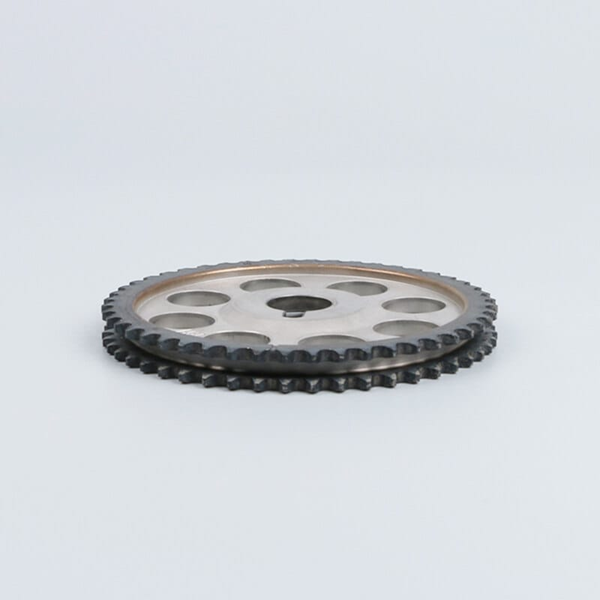
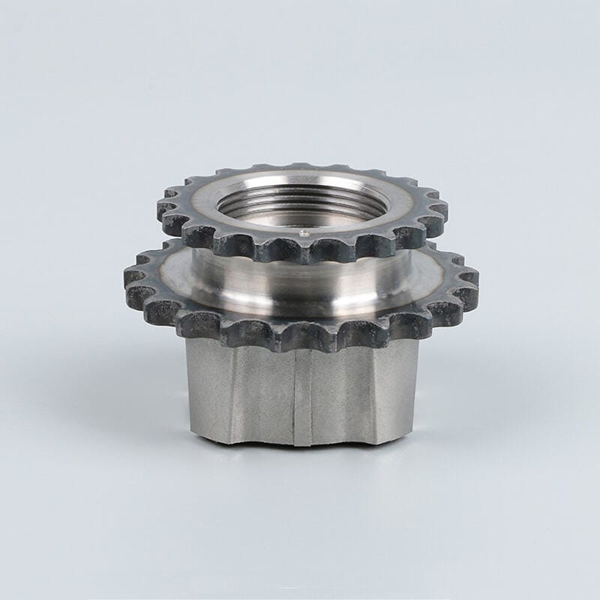
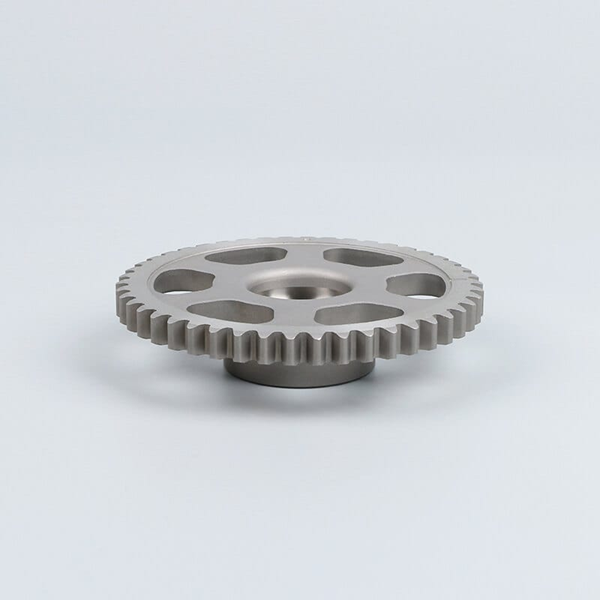
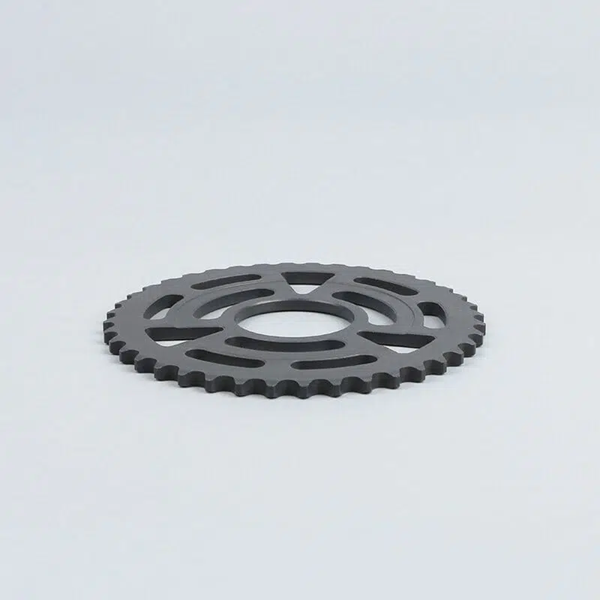
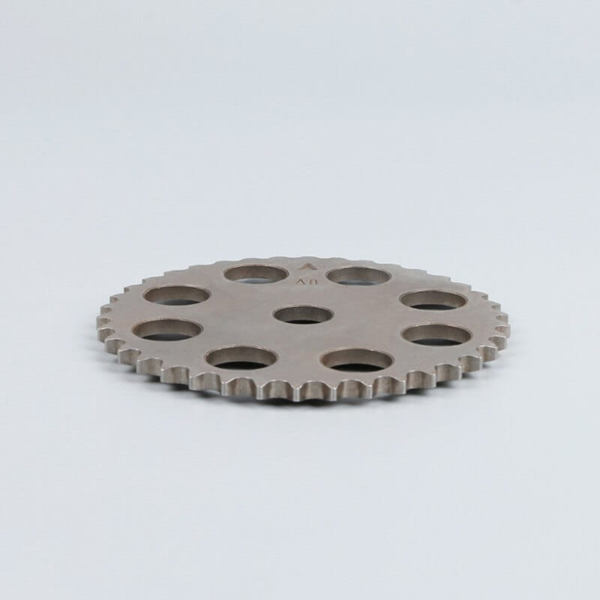
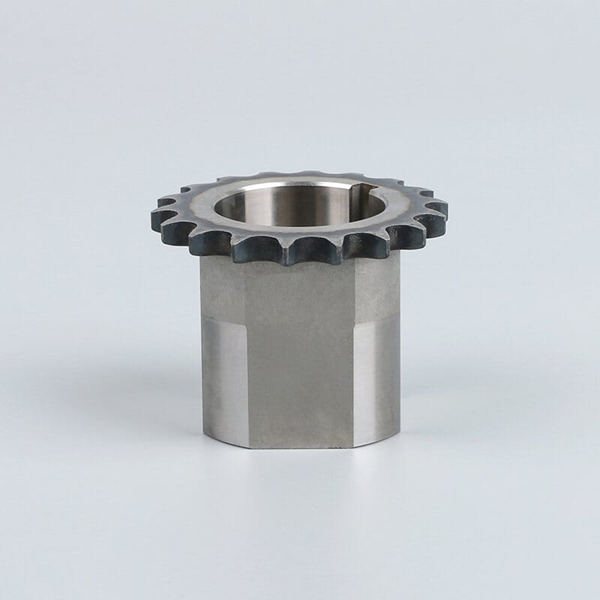
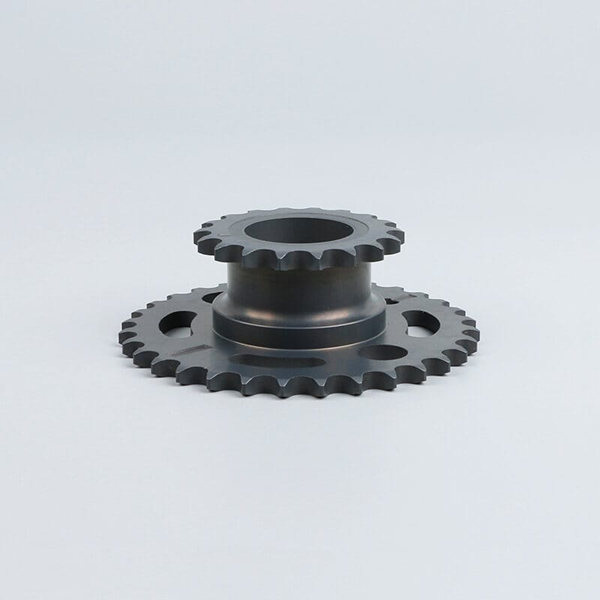
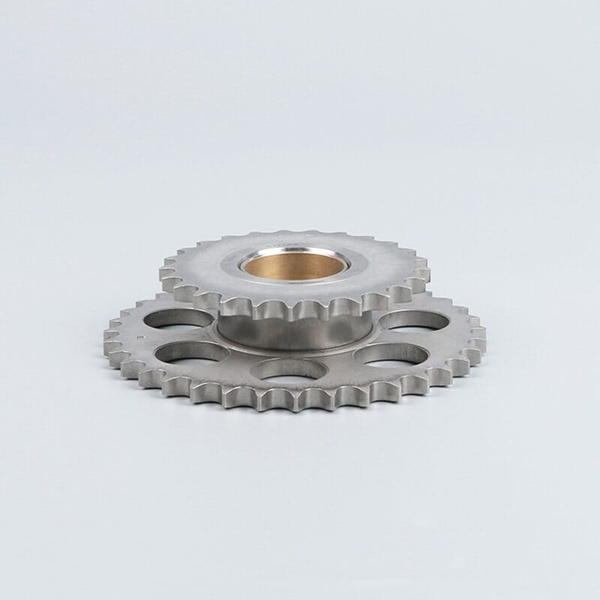
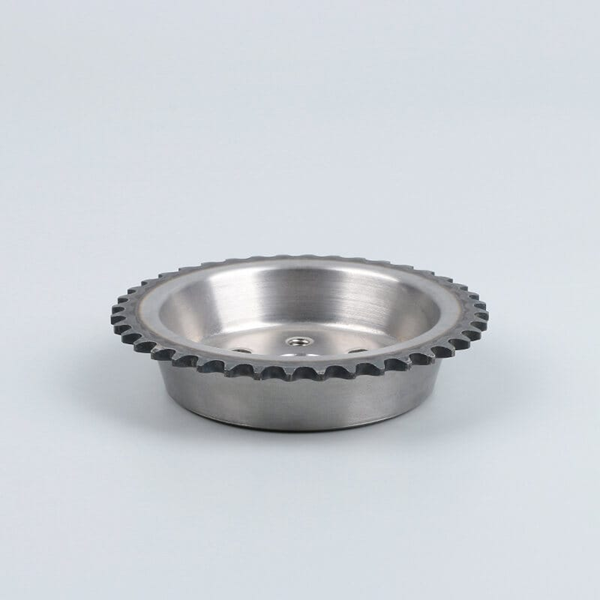
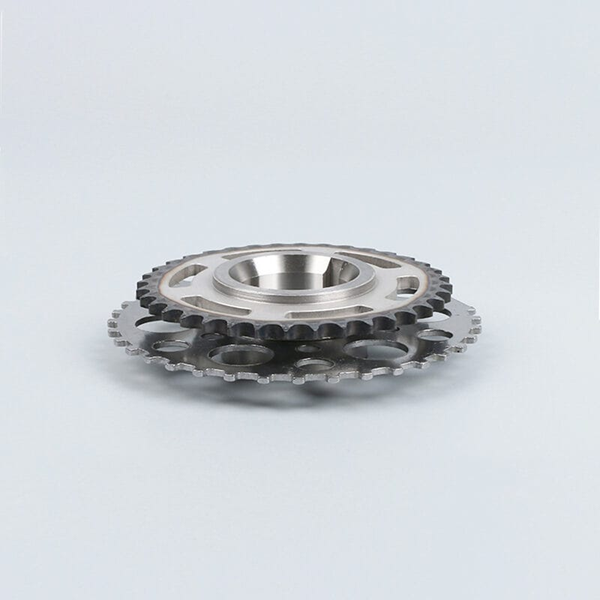
Sintered Timing Chain Sprockets significantly extend engine lifespan and enhance reliability. Their unique manufacturing process, including accurate powder mixing and precise control of sintering temperature, directly contributes to superior durability. Advanced material properties, such as high strength and excellent wear resistance from high-purity metal powders, make these sprockets robust. Investing in a sintered Timing Chain Sprocket ensures a more robust and long-lasting engine timing system.
The Advanced Engineering Behind a Durable Timing Chain Sprocket
How Sintering Creates Superior Timing Chain Sprockets
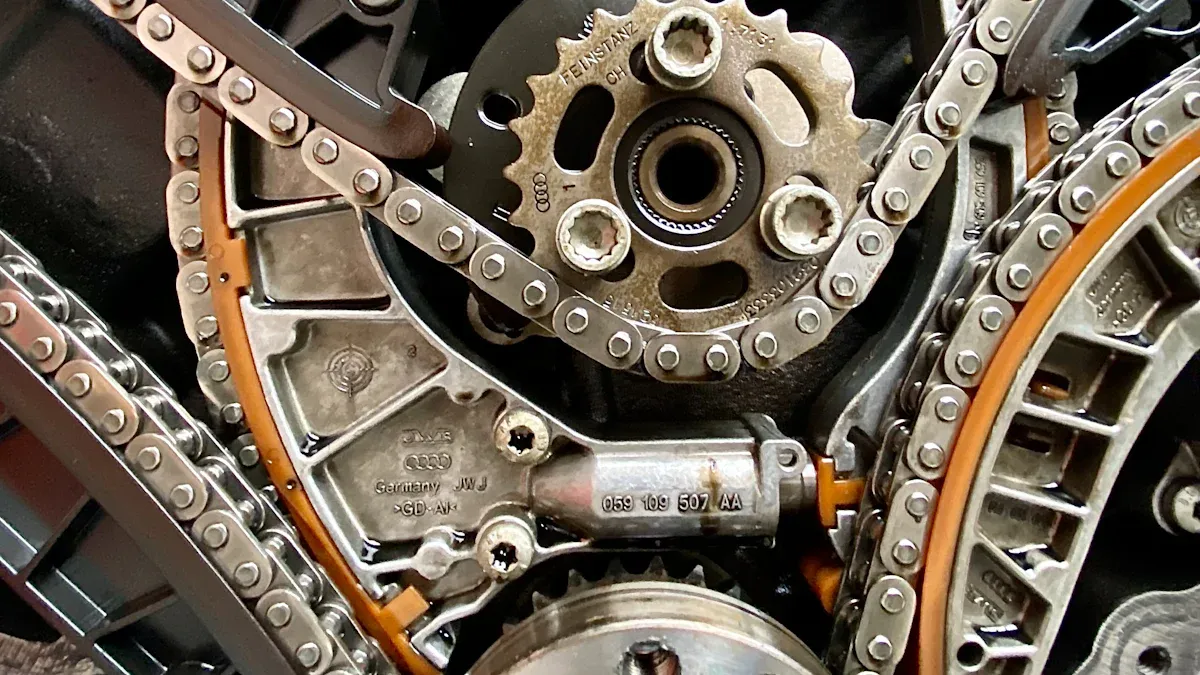
Sintering transforms powdered metal into a solid, durable component. This process creates a homogeneous microstructure in three dimensions, ensuring isotropic properties throughout the material. Unlike cast parts, which often show segregation and porosity, sintered materials offer a fine, uniform grain structure. This solid-state diffusion mechanism allows for the creation of compositions and materials impossible to obtain through traditional melting processes. The result is a superior component with consistent performance characteristics.
| Aspect | Sintered (Powder-Based) | Cast |
|---|---|---|
| Microstructure | Fine, uniform grains; controlled porosity | Prone to segregation, porosity, and flow lines |
Material Science: The Strength of Powdered Metal Timing Chain Sprockets
The choice of powdered metal significantly impacts a sprocket’s strength and longevity. JHMIM utilizes robust materials like MPIF 35 FC-0205, a primary raw material known for its reliability. Other common high-strength powdered metals include FN-0205 and FN-0208. After sintering and steam treatment, these materials provide a reliable structure with good hardness and corrosion resistance. For high-performance engine applications, the effective surface hardness typically ranges between 55 HRC and 60 HRC. This range balances exceptional wear resistance with resistance to chipping, ensuring the sprocket withstands demanding engine conditions.
Precision Manufacturing for Optimal Timing Chain Sprocket Performance
Precision manufacturing is paramount for optimal performance. It involves meticulous attention to geometric features. The mounting bore and keyway, for instance, require extremely tight tolerances. For critical applications, the mounting bore’s runout typically remains less than 0.01 mm, preventing dynamic eccentricity. The keyway’s width, depth, and rotational position must precisely match OEM specifications; even a minute angular deviation can cause timing errors. Advanced CNC machining and metrology equipment, such as Coordinate Measuring Machines (CMMs), verify micron-level accuracy of critical features, ensuring consistent precision across production batches. JHMIM also employs advanced materials like high-carbon chromium steel, undergoing specialized heat treatment to achieve optimal hardness and superior wear resistance.
Unlocking Unmatched Durability and Longevity in Your Timing Chain Sprocket
Exceptional Wear Resistance for Extended Timing Chain Sprocket Life
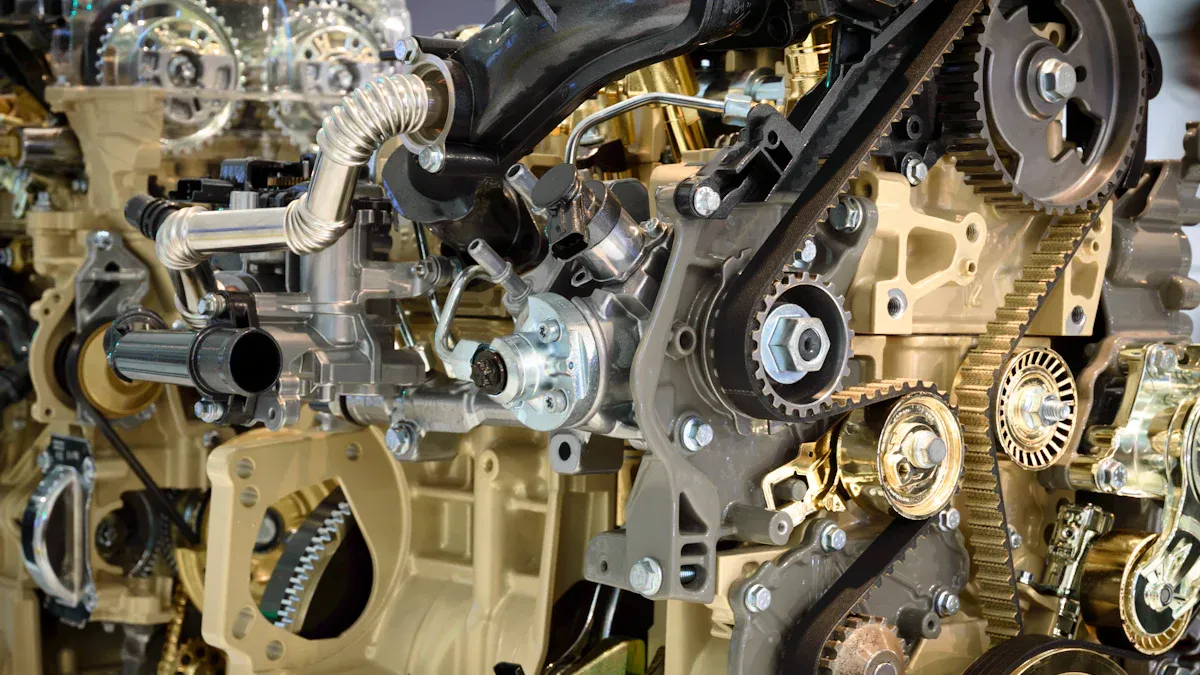
Sintered components offer superior wear resistance, directly translating to a longer operational life for engine parts. The unique manufacturing process creates a dense, uniform material structure. This structure resists abrasion and surface degradation effectively. JHMIM’s advanced sintering techniques produce sprockets that maintain their integrity even under constant friction and high loads. This inherent resistance minimizes material loss over time. It ensures the sprocket teeth retain their precise profile for extended periods.
| Performance | Advantages of Sintered Sprocket | Limitations of Traditional Metal Sprocket |
|---|---|---|
| Wear resistance | Surface hardness can reach HRC 60 or above, reducing abnormal wear | Requires frequent lubrication, prone to tooth surface depression |
| Heat resistance | Withstands high temperatures (>600 ℃) without deformation | Thermal expansion easily causes dimensional deviation |
Enhanced Hardness and Strength of Sintered Timing Chain Sprockets
The powder metallurgy process provides uniform properties and strength. Manufacturers utilize this process for various engine components, including sprockets. Powder metallurgy enables the production of durable components. These components withstand high stress and wear. Such characteristics are crucial for in-vehicle timing and transmission systems. Sintered sprockets are manufactured using powder metallurgy and sintering hardening processes. This involves forming iron-based sintered alloys or sintered hardened materials. These materials become high-density, high-strength metal structures. The process includes powder compaction, high-temperature sintering, and subsequent hardening treatments. This method makes them suitable for demanding applications. Power transmission in drivetrain systems directly benefits from this enhanced strength.
Reduced Fatigue and Failure in Your Timing Chain Sprocket
Sintered materials exhibit excellent fatigue resistance. The uniform microstructure, free from casting defects like voids or inclusions, prevents crack initiation. Traditional manufacturing methods can introduce stress concentrators. These areas become weak points where cracks often begin. Sintering eliminates these vulnerabilities. The high density and consistent grain structure distribute stress evenly throughout the component. This even distribution reduces localized stress peaks. Consequently, the Timing Chain Sprocket withstands repetitive loading cycles without premature failure. This inherent resilience ensures reliable engine operation for many years.
Beyond Lifespan: Performance Advantages of Sintered Timing Chain Sprockets
Quieter Engine Operation with Precision Timing Chain Sprockets
Sintered timing components significantly reduce engine noise. Their precision manufacturing ensures optimal chain engagement. This minimizes impact forces and vibrations. For example, manufacturers like Ford and GM implement advanced designs:
- Ford’s systems use multi-link chains with optimized tooth profiles. This reduces chain noise and vibration.
- GM employs precision-machined sprockets. These have optimized tooth engagement patterns. They minimize chain slap and noise propagation.
- Sprockets with involute tooth profiles ensure smoother chain operation. They distribute loads evenly across chain links.
- Some designs feature chain guides with non-circular profiles. These introduce targeted excitations. They reduce chain forces and improve NVH (Noise, Vibration, and Harshness) behavior.
- Other sprockets use alternating pitch spacings. These create vibrational excitations. They counteract dominant vibration loads.
Long-Term Cost-Effectiveness of Sintered Timing Chain Sprockets
Investing in sintered sprockets offers substantial long-term cost savings. Their extended lifespan means fewer replacements. This reduces material costs and labor expenses for repairs. The enhanced durability also minimizes engine downtime. Businesses benefit from consistent vehicle operation. Furthermore, precise timing contributes to optimal engine performance. This can lead to better fuel efficiency over the vehicle’s life. The initial investment pays off through reduced maintenance and improved operational efficiency.
The Reliability Boost for Your Engine’s Timing Chain Sprocket System
Sintered components provide a significant reliability boost for the entire engine timing system. Their superior material properties and manufacturing precision ensure consistent performance. Engines operate smoothly and predictably. This reduces the risk of unexpected failures. The robust design withstands demanding conditions. This makes sintered sprockets a dependable choice for critical engine applications. They contribute to a more reliable and trustworthy engine.
Sintered Timing Chain Sprockets represent a significant leap forward in engine component technology. Their superior manufacturing process and material composition directly translate to unparalleled durability, wear resistance, and precision. Choosing a high-quality sintered Timing Chain Sprocket is a smart investment for enhanced engine reliability and long-term performance. Experience the benefits of a timing system built to last, reducing maintenance and preventing costly failures.
Sintering creates a dense, uniform material structure. This structure resists wear and fatigue. It ensures a longer operational life for the sprocket.
JHMIM offers a wide range of standard sprockets. They fit many top automotive brands. Custom designs are also available for specific engine needs.
JHMIM sprockets offer high density and mechanical strength. They feature precision teeth and holes. This ensures reliability and long-term performance.