
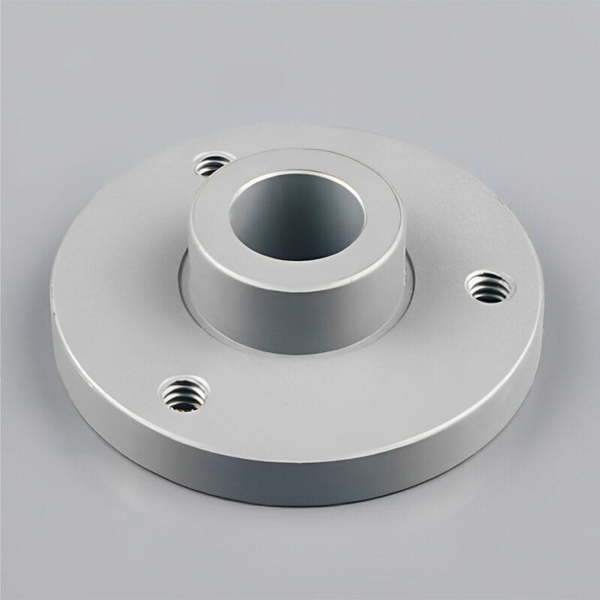
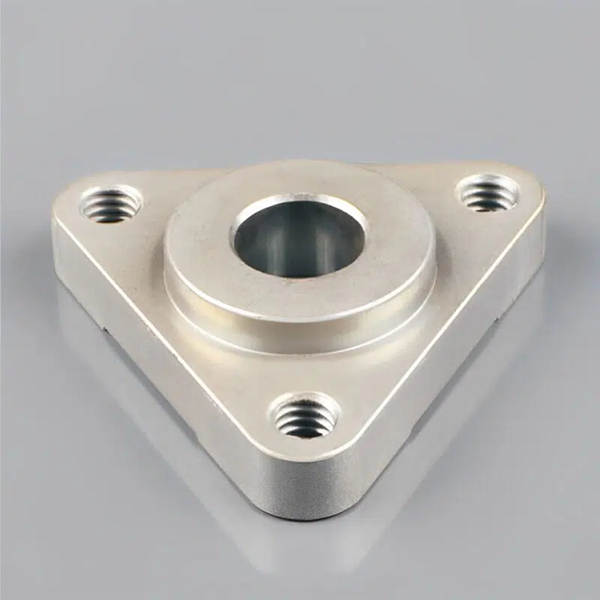
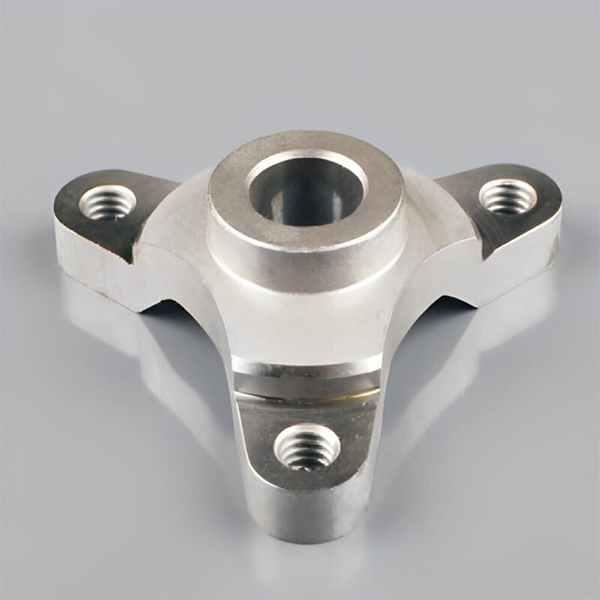
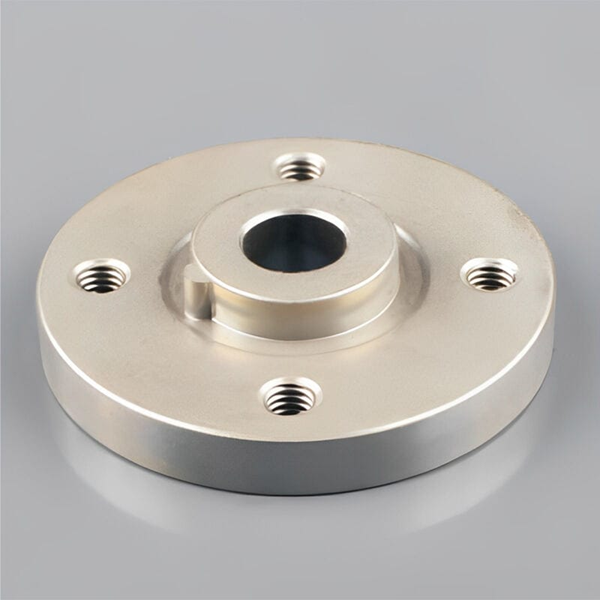
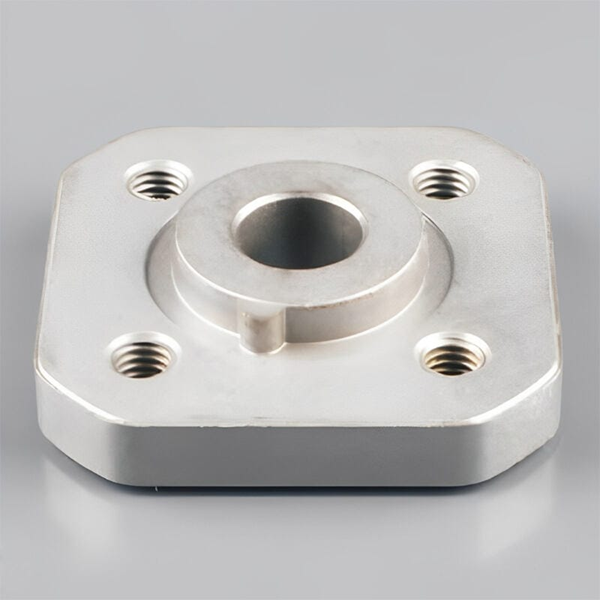
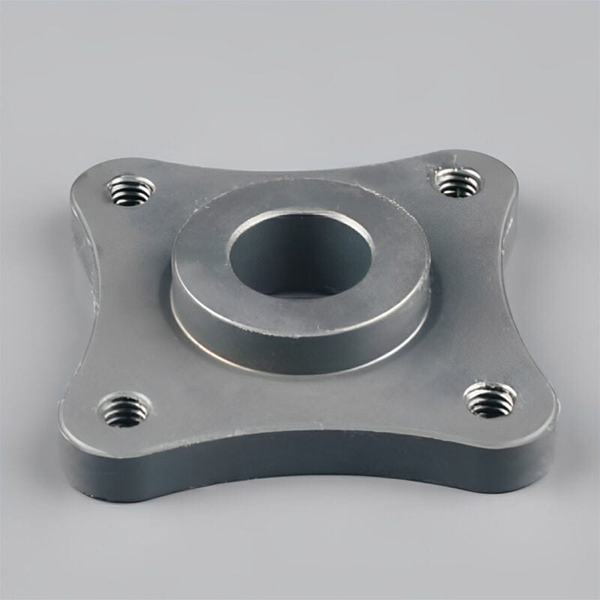
The Critical Role of the Water Pump Flange
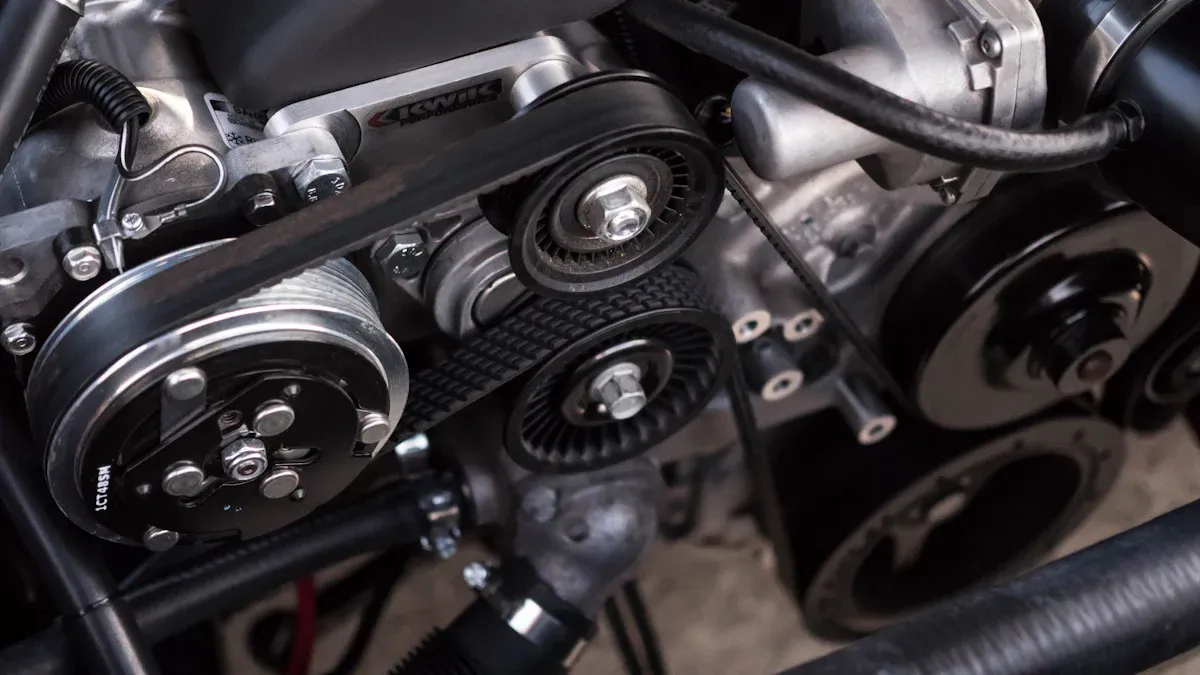
What a Water Pump Flange Does
A water pump flange performs several essential functions within an engine’s cooling system. It primarily serves as a crucial component for attaching the water pump to the engine block. This connection facilitates the operation of timing belt-driven water pumps in various vehicles, including passenger cars, SUVs, trucks, and buses. The flange ensures proper coolant circulation, which is vital for preventing engine overheating, especially in powerful cooling systems. Furthermore, it provides a flat, bolted surface that accommodates gaskets or O-rings. This design ensures a secure, leak-free attachment of the pump’s inlet and outlet to the piping system, preventing coolant loss and potential engine damage. A securely installed flange also minimizes vibration and improves alignment, reducing wear on the pump’s bearings and seals. This contributes significantly to the longevity of the water pump. Flanges also simplify the disassembly process during servicing or repairs, allowing for pump or gasket replacement without cutting pipes or damaging adjacent components.
Why Traditional Flanges Fall Short
Traditional water pump flanges often present limitations due to their materials and design. Common materials include bronze, known for its toughness and seawater corrosion resistance, and cast iron (gray or ductile), valued for its lower cost and good stiffness. While these materials suit various applications, they contribute to common failure modes. Traditional flanges frequently experience mechanical failures such as over-compression or under-compression of gaskets, leading to poor sealing. Improper bolt tightening also creates stress concentrations and leakage paths. Thermal failures are common; repeated heating and cooling cause thermal cycling, degrading gasket material. Overheating exposes gaskets to temperatures beyond their rating, resulting in hardening or cracking. Chemical attacks from incompatible media or oxidation further weaken gasket materials. Creep and stress relaxation also reduce sealing force over time. These issues, along with improper gasket selection or installation, contribute to casing or connection leaks. The design of a Sintered Water Pump Flange addresses these inherent weaknesses.
Sintered Water Pump Flange: A Performance Revolution
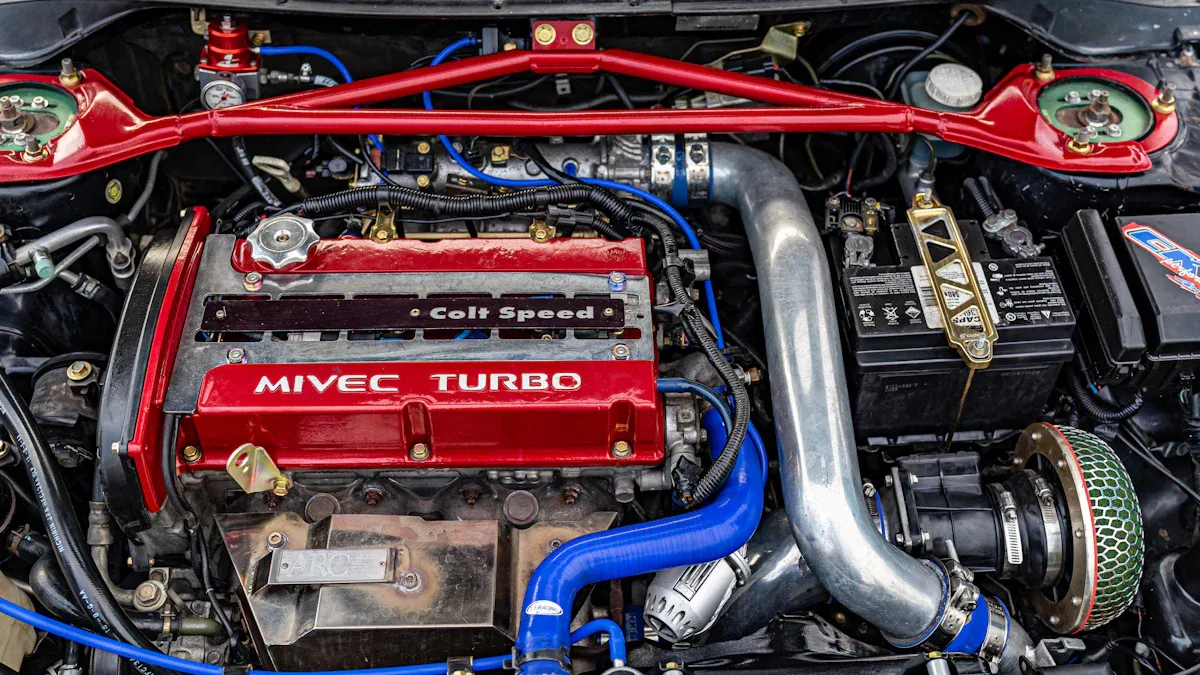
The Sintering Process Explained
Sintering is a thermal process. It chemically bonds adjacent metal particles. This enhances the final properties of a powder metal compact. This process involves several critical stages. First, delubrication occurs. Lubricants added during compaction must be removed. As the compact heats, the lubricant melts and vaporizes. It travels from the inside to the surface. Most hydrocarbon lubricants react with moisture in the furnace atmosphere. They form carbon monoxide and hydrogen. These are fleshed out. Next, oxide reduction happens. An oxide layer on metal surfaces acts as a barrier to particle contact. This layer must be reduced. Reactions between the furnace atmosphere and oxygen in the oxide layer achieve this. The atmosphere contains hydrogen and/or carbon monoxide. The reducing potential of the atmosphere is measured by its dew point. A lower dew point indicates higher reducing potential. This is crucial for elements like Chromium. They form strong bonds with oxygen. Finally, particle bonding begins. Once particles are in contact, bonding starts. Initially, small ‘necks’ form between particles. Material moves to these necks through diffusion and other mass transport mechanisms. This causes them to grow. In the intermediate stage, pores begin to round. As mass transport continues, pores become more rounded. They also become isolated from grain boundaries.
Metal sintering is a manufacturing process. It involves heating powdered metal particles. They bind together below their melting point. This forms a robust component. The detailed steps of the sintering process in powder metallurgy are:
- Blending: Mixing powdered metals with alloying elements and additives. This achieves the desired properties.
- Compacting: Applying significant pressure (400 MPa to 800 MPa) to the blend. This forms a ‘green’ part.
- Sintering: Gradually heating the ‘green part’ in a controlled atmosphere. This happens below the melting point. It facilitates diffusion and particle bonding. This increases strength and density.
- Cooling: Carefully cooling the sintered part to room temperature. This occurs in a controlled atmosphere to prevent oxidation.
- Post-Processing (Secondary Operations): Refining structural and dimensional attributes. Methods include coining, heat treatment, impregnation, machining, grinding, or plating.
Sintering involves heating parts in a furnace. This happens just below the primary metal’s melting point. This causes metal particles to bond. It achieves optimal strength and hardness. This differs from melting. Melting changes metal from solid to liquid. Sintering is a highly controlled heating process. It enhances properties without melting. This makes it suitable for metals with high melting points. Sintering accomplishes several key objectives:
- Eliminating lubricants from the compacted powder.
- Reducing oxygen on the powder’s surface.
- Developing sintered necks between particles. This reduces pores and increases strength.
- Partially or fully diffusing other elements in the mix, such as nickel, copper, and graphite.
Precision Engineering of Sintered Water Pump Flanges
The manufacturing of a Sintered Water Pump Flange involves precise engineering. It begins with mixing metal powders. Examples include iron-based FC-0205, FC-0208, or FN-0205. Binders like zinc stearate are added. This enhances flow and compaction. Workers then press the mixed powders into precision multilevel dies. This occurs at 400-800 MPa. This forms a green compact with the desired geometry. Manufacturers then sinter the compacts in controlled atmosphere furnaces. This happens at approximately 1120°C for ferrous materials. This promotes solid-state diffusion. It bonds particles and improves density, strength, and dimensional stability. After sintering, secondary operations occur. These include sizing and machining. They achieve final tolerances as tight as ±0.015mm. Surface treatments are also applied. These may include steam treatment for hardness ratings over 65HRB, Dacromet coating, and electroplating. These treatments enhance corrosion resistance and durability.
Sintered components achieve impressive dimensional tolerances. Sintered stainless steel parts without secondary sizing typically achieve dimensional tolerances of ±0.3% to ±0.5% of the nominal dimension. For example, a 20 mm feature may have a tolerance range of ±0.06 mm to ±0.10 mm. With coining or sizing, tolerances as tight as ±0.025 mm are achievable. Secondary machining, such as lathe machining, grinding, or honing, is used for tolerances tighter than ±0.025 mm. After sintering, radial dimensional accuracy typically ranges from IT8 to IT9. After sizing, dimensional accuracy can improve to IT6-IT7. Small parts can achieve tolerances as tight as ±5 μm. For self-lubricating sintered bushings, the diameter dimensional accuracy can improve to IT5-IT7. The tolerance for the length or height of sintered metal parts is generally larger, typically around IT12. Capabilities for diameters on sinter-hardened parts are typically 25% better than those of a heat-treated process.
Superior Sealing and Leak Prevention with Sintered Water Pump Flanges
Sintered water pump flanges offer superior sealing. They prevent leaks effectively. Precision flange sealing involves a meticulously designed flange. When properly installed with appropriate gaskets, it creates a secure, leak-tight seal at the interface. This is crucial for maintaining optimal conditions. Advanced glass sintering technology also contributes. High-purity glass is sintered at high temperatures. It forms a hermetic, vacuum-tight seal between electrical contacts and the metal connector body. This robust glass-to-metal seal offers excellent electrical insulation. It maintains vacuum integrity under thermal cycling and pressure differentials. It also provides high corrosion resistance.
The pressureless sintering process ensures high purity and homogeneity. It avoids internal stress. This results in high density, close to theoretical density. This provides stable and reliable performance. Sintered flanges also exhibit excellent corrosion resistance. They withstand strong acids, alkalis, high-temperature molten salts, and organic solvents. This ensures sealing integrity in corrosive environments. Ultra-high temperature stability is another benefit. Long-term use at extreme temperatures (up to 1400°C in air, 1600°C in inert/reducing atmosphere) maintains sealing performance under thermal stress. Excellent mechanical properties, including high hardness, resistance to wear, good thermal shock resistance, and a low coefficient of thermal expansion, reduce the risk of cracking. This ensures a reliable, leak-free connection, even in fluid transportation systems with particles or slurry. Traditional flanges often suffer from uneven bolt stress, improper alignment, dirty or damaged flange faces, and thermal shock, all leading to leaks. The inherent precision and material properties of sintered flanges mitigate these common failure points.
Enhanced Thermal Management with Sintered Water Pump Flanges
Sintered water pump flanges significantly enhance thermal management. Their material composition plays a key role. Low-carbon steel, often used in sintered components, provides exceptionally high load-carrying capacity. It also offers excellent heat dissipation. Sintered bronze powder, another common material, provides maximum thermal conductivity away from the bearing surface. This efficient heat transfer helps maintain optimal engine operating temperatures. It prevents overheating and reduces thermal stress on engine components.
Unmatched Durability of Sintered Water Pump Flanges
Sintered water pump flanges demonstrate unmatched durability. Their mechanical properties often surpass those of traditional materials. For instance, sintered Co-28Cr-6Mo, when HIPed and heat-treated with nitrogen, exhibits static mechanical properties that exceed all ASTM F75 requirements for cast Co-28Cr-6Mo. Nitrogenization during sintering can increase the strength and hardness of such materials. This compensates for low carbon levels. As-sintered Co-28Cr-6Mo already exceeds ASTM F75 requirements for cast material in terms of static mechanical properties. While cast aluminum offers a high strength-to-weight ratio and good ductility, it is softer than cast iron. Cast iron excels in strength and hardness, particularly under compressive loads, but it is more brittle. Sintered materials combine the best of both worlds, offering high strength, hardness, and improved toughness. Sintered automotive water pump flanges are specifically engineered for ‘super high strength and corrosion resistance’. This design significantly enhances the performance and longevity of the cooling system. Sintered parts, including powder metallurgy water pump flanges, are essential components in automotive cooling systems. They are strong and resistant to corrosion. This fulfills their function effectively.
Beyond Performance: The Broader Impact of Sintered Water Pump Flanges
Long-Term Cost-Effectiveness
Investing in a Sintered Water Pump Flange offers significant long-term cost savings. Its superior durability means fewer replacements. This reduces material costs and labor expenses for repairs. The precise fit and enhanced sealing capabilities prevent coolant leaks. Leaks can lead to engine damage and costly repairs. By preventing these issues, the flange minimizes unexpected maintenance. It also reduces vehicle downtime. This ensures consistent operation and avoids lost productivity. Businesses and individuals save money over the lifespan of the engine.
Environmental Benefits
Sintered components also offer notable environmental advantages. The manufacturing process for sintered parts often consumes less energy than traditional casting methods. Specific energy consumption (SEC) measures the total energy used per unit of mass output. This metric shows that sintering can be more energy-efficient, especially for materials with higher melting points. Novel sintering techniques further reduce energy use. For example, adding sintering aids, increasing heating rates, and applying electric fields improve efficiency. Techniques like laser sintering and the Cold Sintering Process (CSP) eliminate the need for large furnaces. This significantly reduces heat dissipation and overall energy demand. These advancements contribute to a smaller carbon footprint. They make sintered flanges a more sustainable choice for automotive and industrial applications.
Sintered water pump flanges provide superior sealing, thermal management, and durability. These qualities fundamentally boost engine performance. Upgrading to this advanced component offers a smart investment. It ensures reliable and efficient engine operation for the long term.
A sintered water pump flange is a component made from powdered metal. Manufacturers heat it below its melting point. This creates a strong, durable, and precise part for engine cooling systems.
Sintered flanges offer superior sealing, enhanced thermal management, and unmatched durability. They boost engine performance and reduce long-term maintenance costs for vehicle owners.
JHMIM Powder Metallurgy adheres to ISO 9001:2015 standards. They use precise manufacturing processes and high-quality iron-based powders. This guarantees consistent, high-performance flanges for all applications.