

Silicon nitride (Si3N4) stands out as a strong, lightweight ceramic material. It can handle temperatures up to 1400°C in oxidizing atmospheres and over 1500°C in inert environments. Scientists first created it in 1955 by nitriding silicon powder blanks. This high-performance ceramic has grown into a vital component for many industrial uses because of its exceptional mechanical properties.
The chemical formula Si3N4 gives silicon nitride ceramics their impressive mix of thermal stability, wear resistance, and durability. These properties make them valuable in many sectors. Manufacturers create it by heating powdered silicon between 1300°C and 1400°C in a nitrogen atmosphere. The material’s excellent properties come with production challenges that can develop defects. The final product’s performance depends heavily on silicon nitride powder quality, processing methods, and sintering conditions. Manufacturers now produce more than 300,000 sintered silicon nitride turbochargers each year. The material finds uses in machining, automotive, aerospace, and electronic industries.
This piece gets into the common defects found during silicon nitride production and shows ways to solve these challenges. Manufacturers can create better silicon nitride components by understanding why these defects happen and using the right strategies to prevent them. This helps them take full advantage of this material’s exceptional capabilities.
Root Causes of Defects in Sintered Silicon Nitride
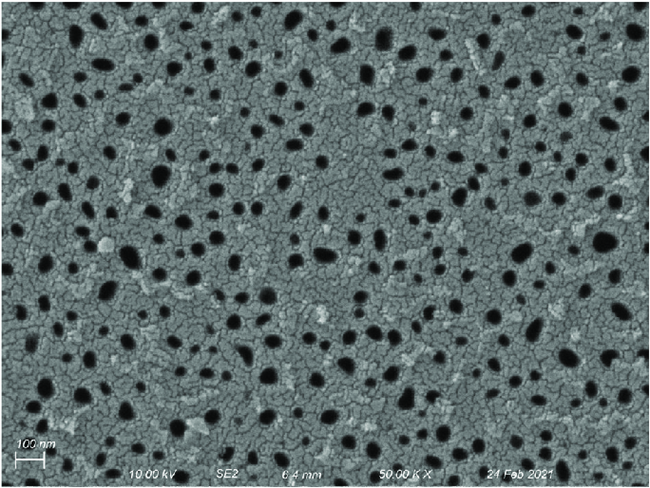
Manufacturing challenges in silicon nitride production create many defect types that affect how final components perform. Engineers need to understand why it happens to create targeted solutions.
Incomplete Densification During Pressureless Sintering
Silicon nitride’s covalent bonding makes it hard to achieve proper density without pressure assistance. Pressureless sintering creates a battle between particle densification and grain growth. Atomic diffusion removes pores while making grains grow larger. This leaves micro-pores and micro-cracks in the final structure that reduce strength and toughness. The material’s incomplete density limits its use in extreme environments where structural strength matters most.
Residual Silicon in Reaction-Bonded Si3N4 (RBSN)
Reaction-bonded silicon nitride usually contains leftover unreacted silicon, especially near outer surfaces. This leftover silicon substantially decreases how well it performs at high temperatures. Studies show longer milling time of silicon powder before nitridation leads to less residual silicon. It also increases both α-Si3N4 content and the α/β ratio. But even with the best processing, some silicon stays behind and creates weak spots in the material.
Grain Boundary Weakness from Inadequate Sintering Aids
Silicon nitride needs sintering aids like Y2O3 and Al2O3 to create liquid phases that help densification. All the same, these additives create glassy phases at grain boundaries that weaken the material, especially in high heat. The makeup of this intergranular glassy film (IGF) directly changes mechanical properties. When the IGF contains more yttrium and oxygen, it associates with weaker grain boundaries. This creates potential breaking points under mechanical stress.
Thermal Cracking Due to High CTE Mismatch
Differences in thermal expansion coefficients (CTE) between silicon nitride grains, grain boundary phases, and secondary phases create leftover thermal stress as materials cool from sintering temperatures. These stresses can reach 2000 MPa in specific areas of silicon nitride composites. On top of that, electronic applications face another challenge. CTE differences between silicon nitride substrates and nearby materials create alternating thermal stresses during temperature changes. This leads to warping, delamination, and fatigue cracks.
Porosity from Non-uniform Powder Packing
Uneven packing of silicon nitride powder creates unwanted porosity patterns. The powder’s original characteristics, including how it clumps together, particle size distribution, and shape, substantially affect packing density. Research shows pore size and distribution affect strength as much as the total amount of porosity. Poor sintering processes and uneven mixing make these problems even worse.
Material and Process Engineering Solutions
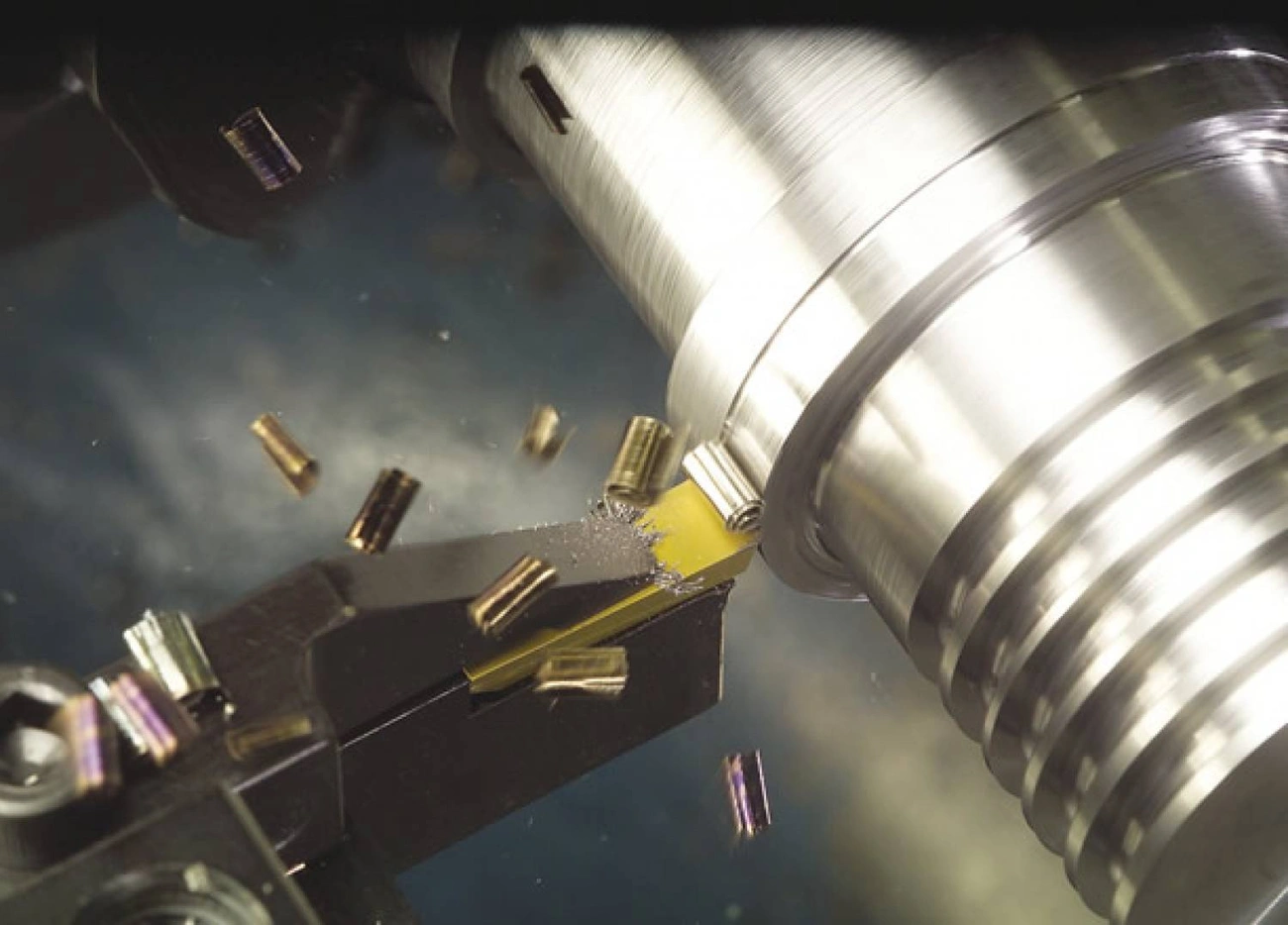
Engineering solutions for silicon nitride defects need precise control over material composition and processing parameters. Recent manufacturing techniques have made huge improvements in final component quality. These improvements come from several key approaches.
Optimizing Sintering Aids: Y2O3 and Al2O3 Ratios
The ratio of sintering aids plays a crucial role in silicon nitride densification and mechanical properties. Research shows that a Y2O3:Al2O3 molar ratio of 3:2 works better than the standard 5:3 ratio. This better ratio creates a low melting point eutectic liquid phase (YAG + YAM) that helps sintering densification. The liquid phase makeup directly shapes grain boundary features. Y2O3-Al2O3-SiO2 ternary systems perform exceptionally well at just 5 wt%. They achieve >98% theoretical density with high biaxial strength (1200 MPa) and hardness (15.5 GPa).
Gas Pressure Sintering (GPS) for Full Densification
Gas pressure sintering fights against silicon nitride’s thermodynamic instability at high temperatures. Applied nitrogen pressure (typically 1-8 MPa) prevents decomposition and additive evaporation. GPS creates fully dense microstructures with elongated silicon nitride grains. These structures show impressive flexural strength (730 MPa) and toughness (10.6 MPa·m1/2). The process needs careful fine-tuning of densification temperature, time, and heating rates to get the best fracture toughness.
Spark Plasma Sintering to Reduce Grain Growth
Spark plasma sintering (SPS) makes quick densification possible at lower temperatures through pulsed electric fields and resistance heating. This method achieves dense materials without much grain growth and produces nanometer-scale grains. SPS samples can reach relative densities above 99.2%. They need less sintering time and lower temperatures. This technique works best when you want minimal additives to get better creep resistance.
Precursor Powder Selection: α-Si3N4 vs β-Si3N4
Starting powder phase composition shapes the final ceramic properties. High α-Si3N4 phase content (≥98 wt%) leads to better densification through the α→β transformation. β-Si3N4 seeds help quick densification with minimal liquid phase needs. Controlled α/β ratios let you balance competing properties. The β-phase gives higher fracture toughness (7.61 MPa·m1/2) while the α-phase offers better hardness (20 GPa).
Cold Isostatic Pressing for Uniform Green Density
Cold isostatic pressing puts uniform pressure on powder compacts. This eliminates density variations common in uniaxial pressing. CIP creates green strengths ten times higher than standard compaction without needing lubricant additives. This removes the need for lubricant burn-off during sintering. Components with longer length/diameter ratios keep uniform density throughout their length. These conditions are perfect for later sintering operations.
Design and Application-Level Defect Mitigation
Silicon nitride components need strategic design considerations and application-specific approaches that go beyond material selection and processing techniques to mitigate defects effectively.
Component Geometry Optimization to Minimize Stress Concentration
Smart geometry design helps prevent silicon nitride components from failing early. Engineers should make components thinner since thicker parts typically contain larger flaws. Sharp edges and corners need chamfers and radii to avoid stress concentrations. Recent studies show plate-structured silicon oxide (SO) lattices reach an impressive elastic modulus of 103 GPa and strength of 418 MPa. These numbers prove how structural design shapes mechanical performance directly.
Surface Finishing Techniques to Reduce Microcracks
Silicon nitride’s surface quality improves dramatically with advanced finishing methods. Clustered magnetorheological finishing (CMRF) brings surface roughness down from 63 nm to 4-13 nm and achieves sphericity values between 0.11-0.18 μm. Nanoparticle jet minimum quantity lubrication (NJMQL) creates nano-lubricant films between wheel grits and workpiece surfaces that reduce cutting forces and surface roughness.
Thermal Gradient Control in High-Temperature Applications
Silicon nitride shows exceptional thermal shock resistance with its low thermal expansion coefficient of 3.0 × 10⁻⁶/K. Proper thermal gradient management prevents warping through even heat distribution. Silicon nitride maintains its physical integrity during long high-temperature operations, unlike metals that have coefficients between 10-30 × 10−6/K.
Use of Si3N4 in Bearings and Turbochargers: Case Insights
Traditional all-steel geometry parameters don’t work well for silicon nitride implementations in bearings. Hybrid ceramic-steel bearings need special configurations because silicon nitride increases contact stress by about 12.8% in ball bearings. Hybrid bearings with ceramic balls and steel races show superior performance in turbocharger applications when properly preloaded.
Performance Validation and Quality Control

Quality validation procedures are the foundations of silicon nitride ceramic manufacturing. These procedures make sure components meet strict performance standards before their use in critical applications.
Fracture Toughness Testing: ASTM C1421
ASTM C1421 offers three standard methods to determine fracture toughness in silicon nitride: precracked beam (KIpb), surface crack in flexure (KIsc), and chevron-notched beam (KIvb). These methods give consistent results with low variability (~3%). High-quality silicon nitride reaches fracture toughness values of 10.6 MPa·m1/2. This sets a critical standard for structural applications where crack resistance directly affects a component’s lifespan.
Non-Destructive Evaluation using Ultrasonic Testing
Ultrasonic resonance spectroscopy can detect tiny C-shaped surface cracks (500 μm × 5 μm) that significantly reduce fatigue life. The technique reviews high-frequency vibrations (20-45 MHz) that show sub-surface layers at depths of 125-300 μm. On top of that, it effectively reviews green body uniformity and proves more sensitive to structural variations than traditional analysis methods.
Microstructural Analysis via SEM and XRD
Field emission gun scanning electron microscopy (FEG-SEM) at 10 kV accelerating voltage shows microstructural details needed for quality assurance. X-ray diffraction measures phase composition, with the Lotgering factor (LF) showing grain lineup between 0 (random) and 1 (perfect orientation). These analyses track the crucial development from equiaxed α-phase to interlocking β-phase needle-like grains.
Dimensional Stability Testing at 1400°C
Stability testing at extreme temperatures (1400°C) verifies silicon nitride’s dimensional integrity under thermal stress. Infrared imaging shows heat transport variations during testing and reveals potential flaws and physical property differences.
Conclusion
Silicon nitride ceramics are remarkable engineering materials with exceptional thermal stability and mechanical properties. Research and development over decades has led to progress by a lot, yet manufacturing challenges still create notable obstacles. Scientists need to understand the mechanisms of common defects to advance silicon nitride technology.
This piece gets into five main defect sources that affect sintered silicon nitride components: incomplete densification, residual silicon content, grain boundary weakness, thermal cracking, and non-uniform porosity. Engineers have developed multiple strategies to deal with these problems through material and process breakthroughs. The Y₂O₃:Al₂O₃ molar ratio of 3:2 has shown better performance than traditional formulations. Advanced techniques like gas pressure sintering and spark plasma sintering boost densification while they minimize undesirable microstructural changes.
Component design is a vital part of maximizing silicon nitride performance, alongside material formulation. Engineers can eliminate stress concentrations through careful geometry optimization, and specialized surface finishing techniques reduce microscopic flaws that cause failure. Of course, these approaches need rigorous quality control methods that include fracture toughness testing, ultrasonic evaluation, and microstructural analysis.
Silicon nitride ceramics’ exceptional properties have driven their adoption in many high-performance applications. Their development depends on systematic defect prevention strategies in all manufacturing stages. We have a long way to go, but we can build on this progress as production techniques evolve and quality control methods become more sophisticated. Silicon nitride will expand its role in demanding engineering applications where conventional materials don’t perform very well. The future of this remarkable ceramic depends on overcoming these complex manufacturing challenges to discover its extraordinary potential.
Key Takeaways
Understanding and addressing defects in sintered silicon nitride is crucial for maximizing this high-performance ceramic’s exceptional capabilities in demanding industrial applications.
• Optimize sintering aid ratios: Use Y₂O₃:Al₂O₃ molar ratio of 3:2 instead of traditional 5:3 to achieve >98% density and superior mechanical properties
• Apply advanced sintering techniques: Gas pressure sintering and spark plasma sintering enable full densification while minimizing grain growth and thermal defects
• Control component geometry: Reduce thickness, eliminate sharp edges, and use proper radii to prevent stress concentrations that lead to premature failure
• Implement rigorous quality control: Use ASTM C1421 fracture toughness testing and ultrasonic evaluation to detect microscopic flaws before deployment
• Select appropriate precursor powders: High α-Si₃N₄ content (≥98 wt%) promotes optimal densification through controlled phase transformation
The key to successful silicon nitride manufacturing lies in systematic defect prevention through precise material formulation, advanced processing techniques, and comprehensive quality validation. With proper engineering solutions, manufacturers can produce components that fully capitalize on silicon nitride’s remarkable thermal stability, wear resistance, and mechanical strength for critical applications in aerospace, automotive, and high-temperature environments.
FAQs
Q1. What are the main defects encountered in sintered silicon nitride components? Common defects in sintered silicon nitride include incomplete densification, residual silicon content, grain boundary weakness, thermal cracking, and non-uniform porosity. These issues can significantly impact the material’s performance and durability.
Q2. How does gas pressure sintering (GPS) improve silicon nitride quality? Gas pressure sintering effectively counteracts silicon nitride’s instability at high temperatures. By applying nitrogen pressure (typically 1-8 MPa), GPS suppresses decomposition and evaporation of additives, resulting in fully dense microstructures with improved flexural strength and toughness.
Q3. What role do sintering aids play in silicon nitride production? Sintering aids like Y2O3 and Al2O3 are crucial in silicon nitride production. They form liquid phases that promote densification during sintering. The optimal Y2O3:Al2O3 molar ratio of 3:2 has been found to enhance densification and mechanical properties compared to traditional ratios.
Q4. How can component design help mitigate defects in silicon nitride parts? Optimizing component geometry is key to preventing premature failure. This includes reducing thickness, avoiding sharp edges, and using appropriate chamfers and radii to minimize stress concentrations. Such design considerations can significantly improve the overall performance and lifespan of silicon nitride components.
Q5. What testing methods are used to validate silicon nitride quality? Several methods are employed to ensure silicon nitride quality. These include fracture toughness testing using ASTM C1421 standards, non-destructive ultrasonic evaluation for detecting surface cracks, microstructural analysis via SEM and XRD, and dimensional stability testing at high temperatures (up to 1400°C).