
Metal Injection Molding (MIM) offers a groundbreaking approach to manufacturing high-volume, highly complex metal components with exceptional dimensional accuracy. Combining the geometric freedom of plastic injection molding with the structural integrity of wrought metals, MIM allows engineers to achieve intricate geometries that traditional CNC machining or investment casting cannot match cost-effectively. Whether producing components for automotive systems, medical devices, defense, or consumer electronics, MIM ensures superior material density, durability, and batch-to-batch consistency.
How Metal Injection Molding Works
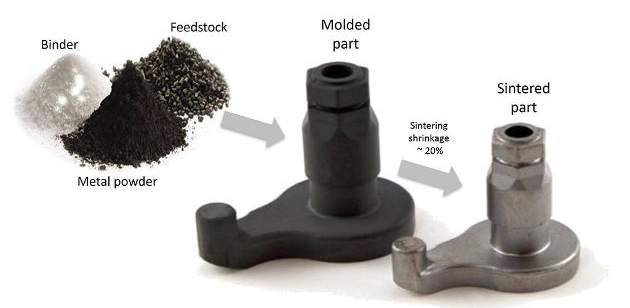
The MIM manufacturing workflow combines precise powder metallurgy techniques with automated injection molding to transform raw metallic powders into dense, high-strength structural parts.
1. Feedstock Preparation
The process begins by homogenously blending sub-micron metal powders (typically iron, stainless steel, titanium, or nickel alloys) with a tailored thermoplastic binder system (waxes and polymers). This compound forms a viscous feedstock designed for uniform cavity filling during molding.
2. High-Pressure Injection Molding
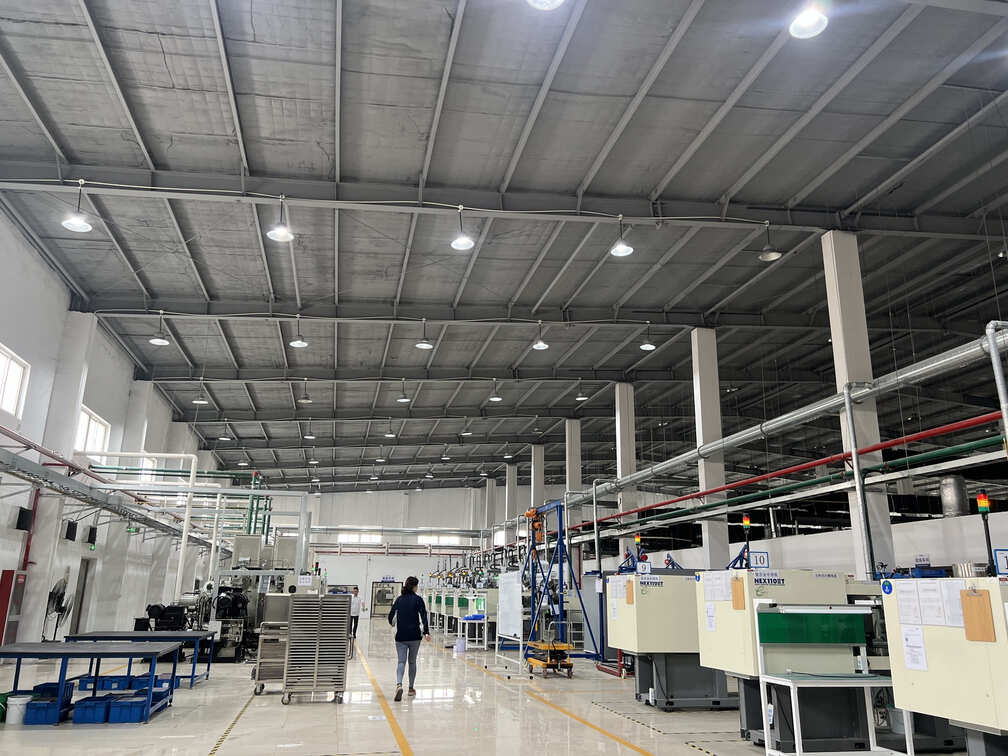
The granulated feedstock is heated and injected under high pressure into custom-engineered mold dies via automated molding machines—similar to plastic injection molding. The resulting component is known as a “Green Part,” which holds its shape but contains the polymer binder.
3. Multi-Stage Debinding
Debinding removes the majority of the primary polymer binder from the green part using solvent immersion, catalytic processing, or thermal degradation. Once debound, the component becomes a porous, fragile skeleton known as a “Brown Part,” ready for metallurgical bonding.
4. Controlled-Atmosphere Sintering
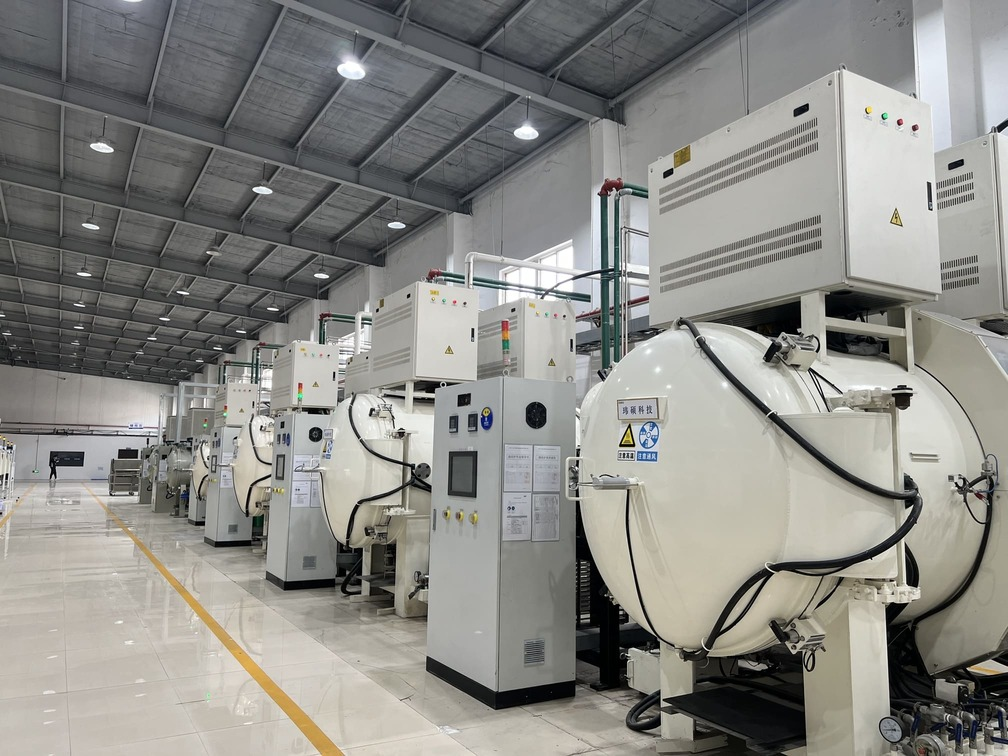
Sintering is the most critical stage in the MIM process. The brown parts are placed in high-vacuum or continuous controlled-atmosphere furnaces heated to temperatures just below the alloy’s melting point (typically 1,200°C to 1,400°C).
During sintering, the remaining binder evaporates, and solid-state atomic diffusion bonds the metallic grains together. The part shrinks isotropically by 15% to 20% in a highly predictable manner, achieving near-theoretical densities (95% to 99%) and excellent mechanical strength.
Key Engineering Advantages of MIM
High Precision and Geometric Complexity
MIM excels at producing micro-sized, highly intricate shapes with features such as thin cross-sections (down to 0.5 mm), internal threads, cross-holes, splines, and complex curves. It eliminates the need for secondary multi-axis CNC setups.
Material Versatility
MIM accommodates a wide spectrum of high-performance metallurgy alloys, including:
- Austenitic & Martensitic Stainless Steels (316L, 17-4PH): Superior corrosion resistance and high mechanical strength for medical and valve hardware.
- Titanium Alloys (Ti-6Al-4V): Excellent strength-to-weight ratios and biocompatibility for aerospace and medical implants.
- Low Alloy & Tool Steels (FN-0205, 4140, 8620): Exceptional surface hardness and wear resistance for automotive gears and heavy-duty locks.
- Nickel-Based Superalloys (Inconel 625/718): Outstanding thermal stability for extreme-temperature turbocharger components.
Cost-Effective Mass Production
For medium-to-high annual volume production (10,000 to millions of units), MIM drastically lowers unit costs. Raw material utilization approaches 98%, virtually eliminating the expensive scrap waste associated with machining solid bar stock.
Near-Theoretical Density & Strength
Sintered MIM components exhibit near-isotropic material properties. With densities exceeding 95–98%, MIM parts demonstrate fatigue life, tensile strength, and impact resistance comparable to wrought metal alloys.
Primary Applications of MIM Technology
Automotive Systems
MIM produces robust, lightweight components that optimize engine management, fuel injection systems, seating mechanisms, and turbochargers. Common automotive parts include rocker arms, sensor housings, gear shift actuators, and vanity locks.
Medical Devices & Surgical Hardware
Biocompatibility and high precision make MIM an industry standard for surgical staplers, endoscopic graspers, orthodontic brackets, scalpel handles, and orthopedic implants requiring strict dimensional repeatability.
Consumer Electronics & Wearables
Compact devices demand maximum structural strength in minimalist footprints. MIM supplies smartphone camera frames, smartwatch housings, laptop hinges, fiber-optic connectors, and grounding contacts.
Aerospace, Defense & Industrial Hardware
MIM manufactures mission-critical hardware, including trigger mechanisms, tactical rail mounts, firing pins, turbine blade lock plates, and high-pressure fluid pump valves that withstand severe stress and thermal shock.
Manufacturing Comparison: MIM vs. Alternative Methods
| Process Parameter | Metal Injection Molding (MIM) | CNC Machining | Investment Casting |
|---|---|---|---|
| Geometric Complexity | Extremely High (Net-Shape) | Limited by tool access | Moderate to High |
| Material Scrap Rate | < 2% | 40% – 70% | 10% – 20% |
| Production Volume Suitability | Medium to High (>10,000 pcs) | Low to Medium (<5,000 pcs) | Medium Volume |
| Dimensional Tolerance | ±0.3% to ±0.5% | ±0.01 mm | ±0.5% to ±1.0% |
MIM Design Considerations & Limitations
- Initial Tooling Investment: Custom injection mold tooling requires upfront capital, making MIM most cost-effective for medium-to-large production runs.
- Part Size & Weight Limits: MIM is optimized for small, high-precision components weighing under 100 to 150 grams. Larger parts may face density gradients during debinding and sintering.
- Predictable Shrinkage: Molds must be oversized by 15% to 20% to account for shrinkage during sintering. Precision tooling design ensures strict adherence to required drawing dimensions.
Partner with JHMIM for Precision MIM Manufacturing
JHMIM is an ISO 9001:2015 and IATF 16949:2016 certified metal injection molding manufacturer. We provide end-to-end tooling DFM, material formulation, automated injection molding, debinding, controlled sintering, and precision secondary machining.
Frequently Asked Questions (FAQs)
Q1. What is Metal Injection Molding (MIM)?
Metal Injection Molding (MIM) is a manufacturing technology that combines fine metal powders with a polymeric binder to mold complex, high-density metal components. The binder is subsequently removed (debinding), and the part is sintered to achieve high mechanical strength.
Q2. How dense are sintered MIM components?
Sintered MIM components achieve densities ranging between 95% and 99% of wrought metal, providing mechanical properties comparable to machined or forged parts.
Q3. What is the ideal part weight for the MIM process?
MIM is ideal for small, intricate metal components weighing between 0.1 grams and 150 grams, though specialized parts up to 250 grams can also be accommodated.
Q4. Is MIM compliant with international quality standards?
Yes. JHMIM manufactures MIM components under strict ISO 9001:2015 and IATF 16949:2016 quality management systems, complete with full lot traceability and material certifications.