
Advanced Metal Injection Molding Machine Overview
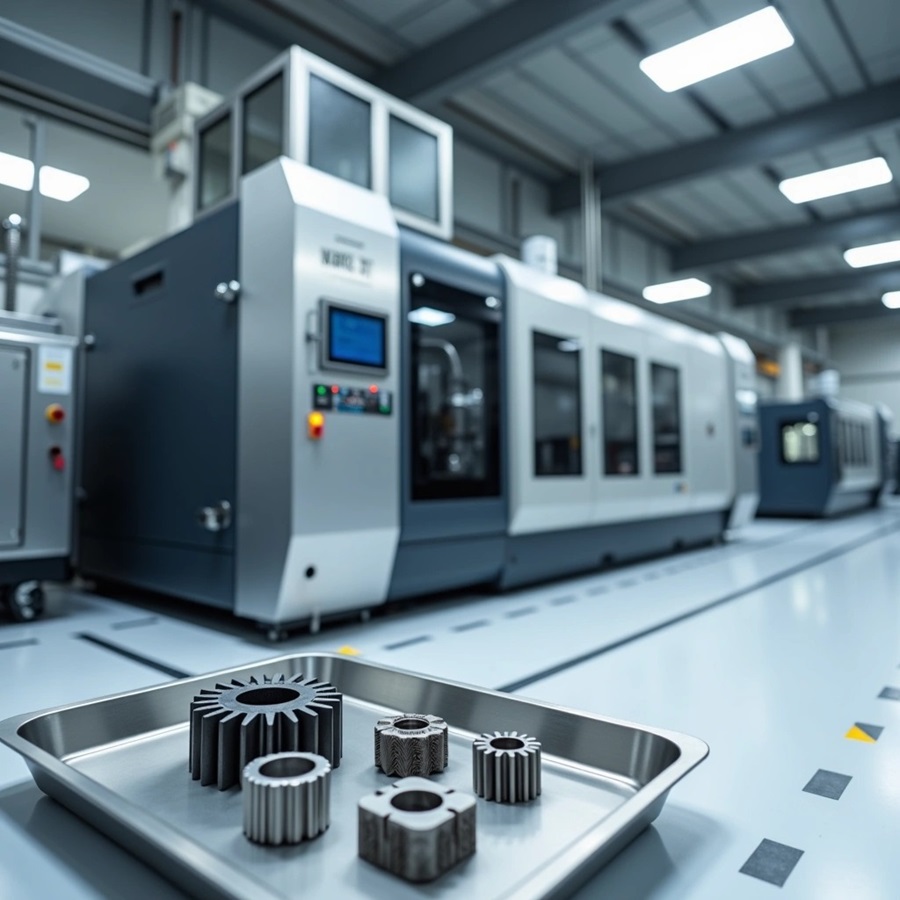
Metal injection molding has grown from a $9 million niche technology in 1986 to a $1.5 billion global market by 2015. MIM can create high-strength, complex parts for half the cost of traditional manufacturing methods, which explains this growth. The metal injection molding process produces components with precision and achieves dimensional tolerances of ±0.3%. Some parts weigh less than 1 gram.
Manufacturers who want budget-friendly options need to know how the metal injection molding machine works and what it can do. This overview gets into how modern MIM equipment achieves density and geometry uniformity. It explores performance parameters that include clamping systems and temperature control. We also compare metal injection molding materials compatibility in a variety of alloy systems.
Advanced Metal Injection Molding Machine Overview
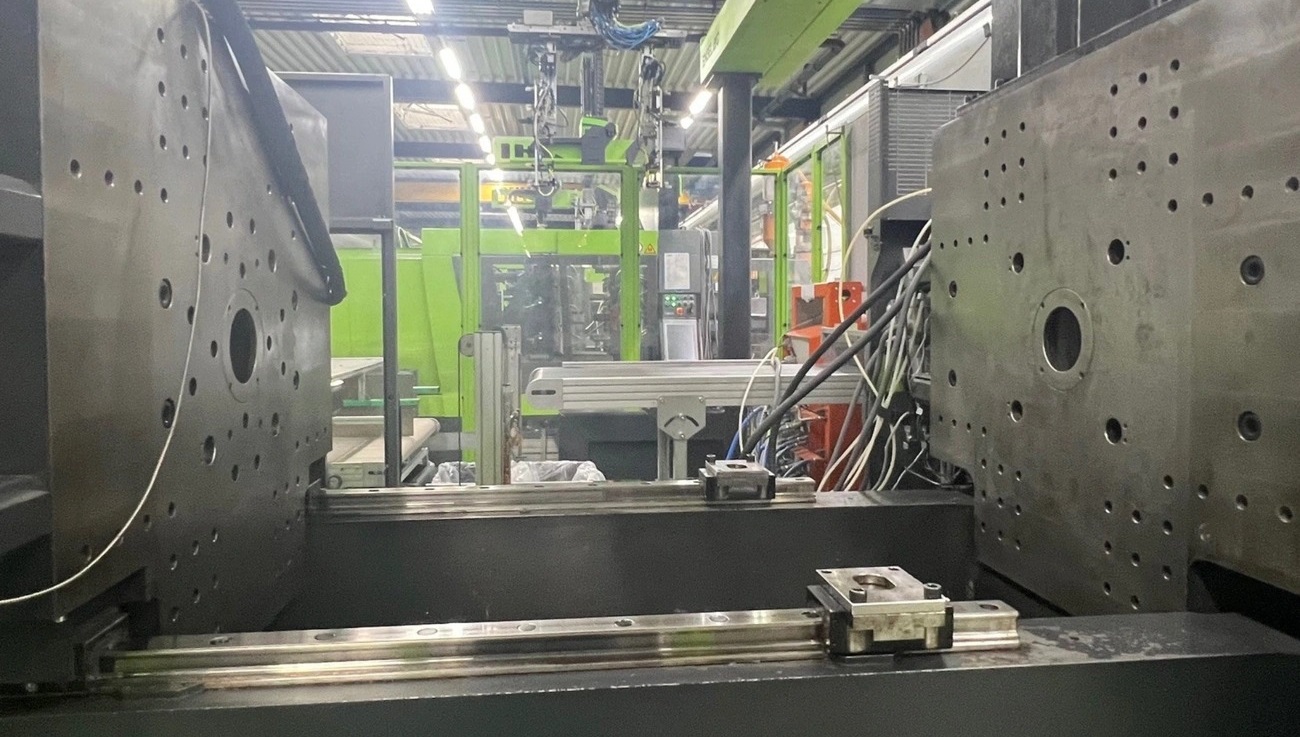
How High-End MIM Machines Achieve Dynamic Density and Geometry Uniformity
Advanced metal injection molding machines employ gas-assisted technology to control product density uniformity and reduce part weight. Gas-assisted molding improves density uniformity, especially at positions far from the gate. Green parts and final components show most important improvements in density uniformity and shrinkage. This technology makes the design of parts with non-uniform thickness and hollowed cores in thick portions possible.
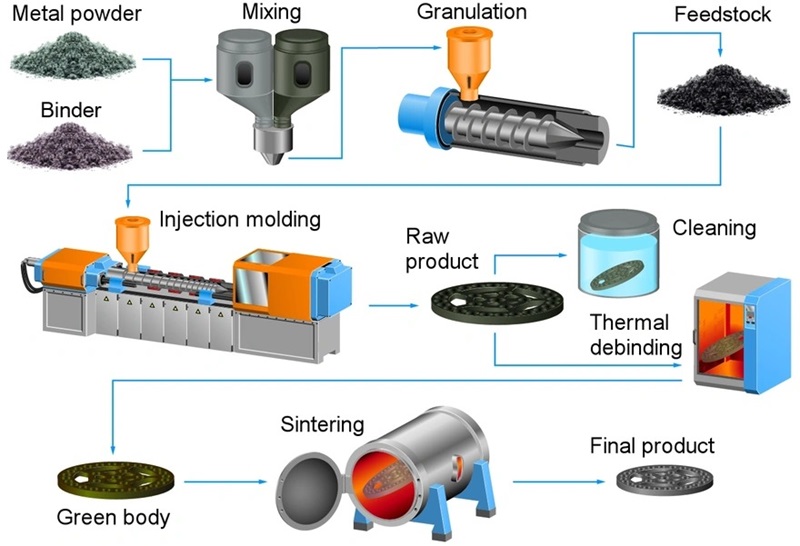
The metal injection molding process achieves 95% to 98% of theoretical density. Micro-MIM systems reach 97% to 99% density. High-end machines maintain controlled shrinkage during sintering, around 15%, to achieve full density. Precise control over powder blending, granulation and process parameters will give uniform material distribution throughout complex geometries.
Micro-MIM Capabilities: Producing Complex Components Weighing Less Than 0.1 Gram
Micro metal injection molding represents a specialized subset that produces components weighing between 0.020 to 1.00 grams. These machines handle parts with dimensions as small as 2.0 mm and wall thicknesses ranging from 0.002 to 0.25 inches. Micro-MIM achieves tolerances of ±0.2%, compared to ±0.5% for conventional MIM systems.
Finer particle sizes in material formulations enable accurate creation of micro features and superior surface finishes. Components weighing less than a few milligrams push traditional machining limits. Yet micro-MIM maintains very tight tolerances necessary for high-volume, high-quality production.
Core Injection & Clamping Systems: Ensuring Part Precision
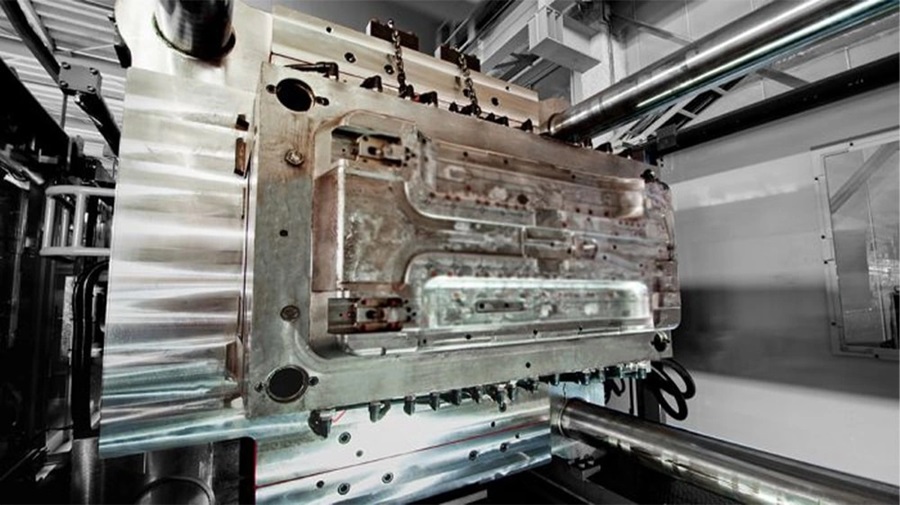
The Reciprocating Screw Unit: Eliminating Air Entrapment and Feedstock Segregation
The reciprocating screw represents the critical breakthrough in metal injection molding machines. It delivers homogeneous melt with close temperature control and uniform viscosity. The barrel divides into three functional zones. The feeding section (50% of length) transports solid pellets and compresses them to exclude air between particles. The transition zone melts material through mechanical shear and conductive heating while densifying the melt. The metering section provides uniform temperature while delivering precise material volume to inject. The rotating screw flights eliminate unequal heating by displacing the inner core of raw material and prevent cooler plastic regions that cause degradation. The cutting action of these flights imparts 60% to 90% of the heat required to melt feedstock. This reduces reliance on external barrel heating.
Closed-Loop Hydraulic & Servo Clamping: Preventing Flash and Dimensional Drifts
Flash defects occur when molten feedstock escapes mold cavities and creates thin fins that require secondary trimming operations. Insufficient clamping force represents the biggest problem and allows injection pressure to separate mold halves. Advanced closed-loop hydraulic systems employ the VT-HACD-DPC controller configured for mold protection and breakaway force control. These systems achieve pressure control with repetitive accuracy within fractions of a percent and maintain dimensional stability across production runs.
Multi-Zone Temperature Control for Optimal Feedstock Flowability
Modern metal injection molding machines incorporate 3 to 5 individual barrel heating zones. The temperature profile increases from rear to front zones, with typical differences of 50° to 80°F (28°C to 44°C) between zones. The middle zone provides optimal adjustment to melt temperature, as screw rotation really mixes any temperature variations before material accumulation. Rear zone temperatures set too low trap air within plastic granules, while excessively high temperatures cause melting in the feed throat.
JHMIM World-Class MIM Machine & Facilities Infrastructure
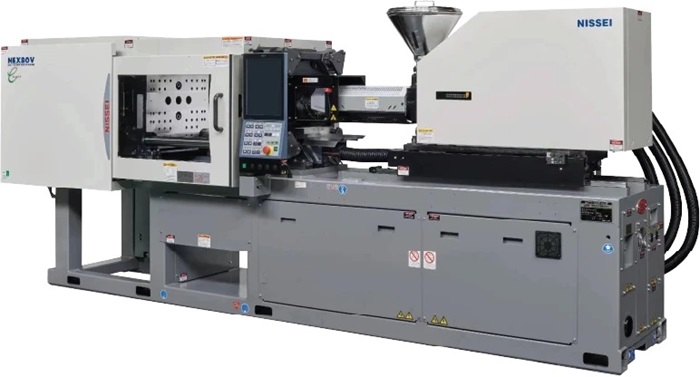
Germany-Imported High-Accuracy Metal Injection Molding Stations
Production-grade MIM operations require precision molding stations with clamping forces up to 150 tons. German-imported machinery integrates tier-1 components that guarantee micrometric stability in high-volume runs. These systems maintain consistent shot weights and cycle times while processing feedstocks with varying viscosity profiles. Germany imports continuous sintering lines that enable mass production throughput. Batch sizes range from prototype quantities to millions of components annually.
Advanced Vacuum Sintering Furnaces & Controlled Atmosphere Discharge
Sintering occurs at temperatures around 20% below the melting point of base metals. This induces 15-22% dimensional shrinkage as powder particles fuse into dense structures. High-temperature vacuum sintering furnaces reach processing temperatures that achieve 95-100% theoretical density. Controlled atmospheres using nitrogen, argon, or hydrogen prevent oxidation and surface contamination during thermal cycling. The SINTERFLEX atmosphere control system maintains carbon-neutral conditions. It eliminates decarburization while optimizing carbon input to protect furnace components.
Heavy-Duty Gas Hydraulic Machines for Complex Part Post-Processing
Gas-hydraulic pressing machines with 50-ton to 150-ton capacity handle secondary densification and calibration operations. These systems apply controlled pressure to sintered components and refine dimensional accuracy for applications requiring extreme precision.
JHMIM has over 20 years of deep expertise in powder metallurgy and metal injection molding (MIM). We operate a state-of-the-art 18,000+ square meter manufacturing facility in China. Our team includes 150+ skilled technicians backed by advanced high-tonnage sintering and pressing equipment. We deliver high-density, zero-defect complex metal components globally.
| Equipment Parameter | Capacity / Range | Target Component Benefit |
| Clamping Force | 55 Ton — 150 Ton | Prevents flash, secures high-cavity molds |
| Max Shot Weight | Up to 100 grams per shot | Enables multi-cavity layout for high volume |
| Tolerances Lock | ±0.2% to ±0.3 | Eliminates expensive post-machining |
In-House Precision Tooling Infrastructure: The Secret to ±0.3%Tolerances
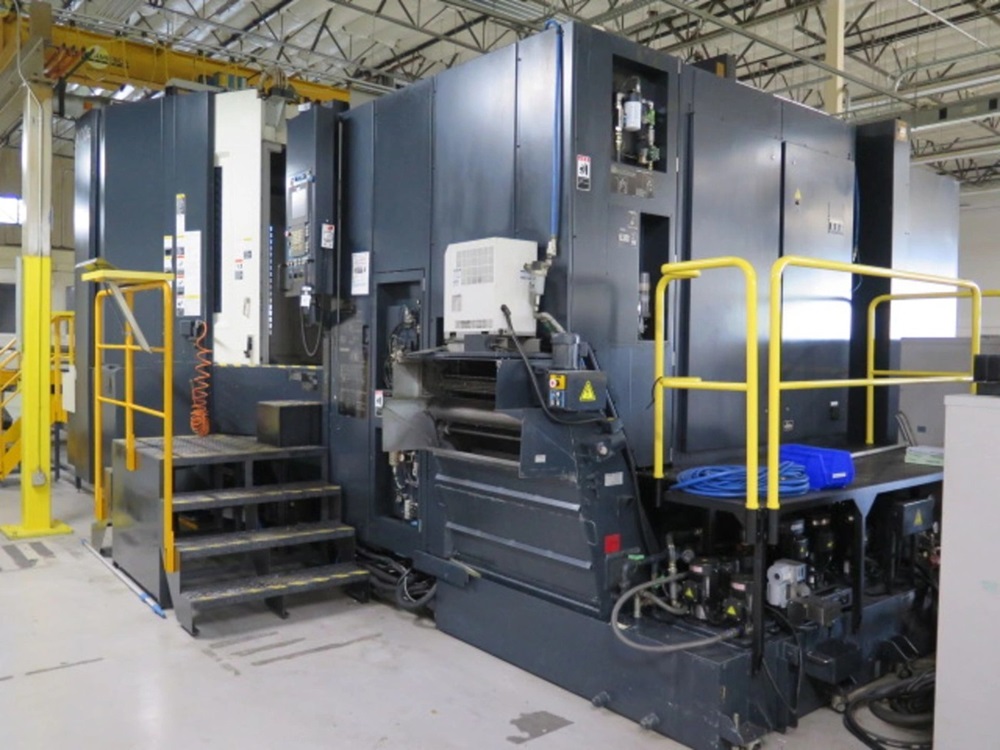
Ultra-Precise CNC Machining (Featuring Makino & FANUC Centers)
Tooling accuracy determines final part tolerances in metal injection molding. Makino vertical machining centers maintain accuracies of ±0.0001 inch in hard milling applications using 60 HRC materials. Process capability of 1.33 or better in critical dimensions is standard. FANUC CNC systems deliver high-speed processing with 2x program throughput and Fine Surface Technology for superior surface quality. These machining centers shape major cavity and core features with repeatability that will give uniform shrinkage patterns across production runs.
Sub-Micron EDM Electrical Discharge (Utilizing Swiss Agie Charmilles & Sodick)
Complex internal geometries impossible with conventional cutting become possible through electrical discharge machining. Agie Charmilles FORM P series produces tolerances within ±1.5 microns and surface finishes down to Ra 0.1 micron. Sodick EDM machines feature rigid linear motor technology with a 10-year positioning accuracy guarantee and maintain micron-level precision through intensive use. Micro-EDM manufactures 3D micro-parts with sub-microscopic structures. Micro holes as small as 10 microns are created.
High-Accuracy Sodick Wire Cutting Machine for Complex Tooling Split Lines
Wire EDM achieves machining precision up to ±0.002mm for injection molds and handles intricate contours with sharp internal corners. Wire diameters from 0.05 to 0.3 mm enable small internal radii and complex split-line geometries. The non-contact cutting eliminates mechanical stress, whereas thermal erosion preserves material properties. Tolerances of ±0.0001″ support mold components that require perfect fits without lapping.
Machine Compatibility Across Premium Material Matrix
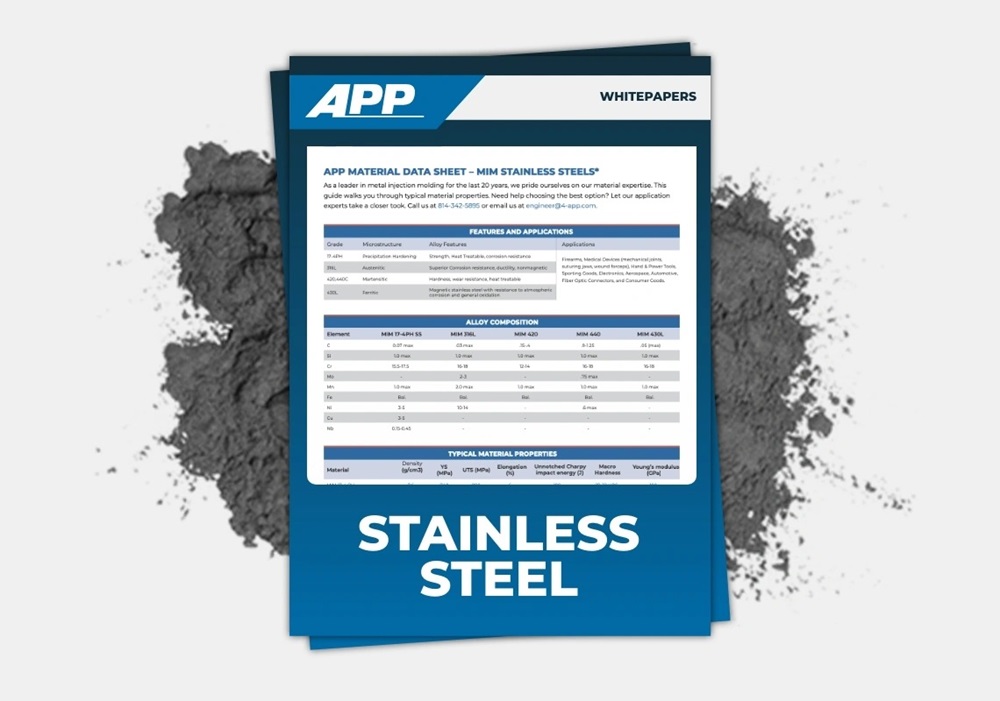
Image Source: Advanced Powder Products
Processing High-Strength Stainless Steel (MIM-316L, MIM-17-4PH, and MIM-420)
Material compatibility determines manufacturing feasibility in metal injection molding operations. MIM-316L stainless steel provides biocompatibility and corrosion resistance for surgical instruments, dental implants, and aerospace fuel system components. The low-carbon formulation with additional molybdenum boosts resistance to pitting and crevice corrosion in chloride environments.
MIM-17-4PH precipitation hardening steel achieves tensile strength of 1310 MPa with proper heat treatment. This martensitic alloy reaches 44 HRC hardness. H900 heat-treated components deliver 1170 MPa yield strength. Sintering at 1300-1360°C achieves 98% density, with approximately 14.2% shrinkage during thermal processing.
MIM-420 martensitic stainless steel combines hardness of 52-57 HRC with moderate corrosion resistance. Heat treatment produces fine martensitic grains better than wrought 420 and provides excellent wear resistance for cutting tools, valves, and plastic injection molds.
Processing Low-Alloy Steel and Specialty Materials (MIM-4605 & MIM-304)
MIM-4605 low alloy steel contains carbon, nickel, and molybdenum. Quenching and tempering produce hardness from 36 HRC to 48 HRC with specific heat treatments. Sintering between 1140°C and 1360°C for at least 2 hours achieves proof stress values over 1500 MPa after heat treatment, which is a big deal.
MIM-304 austenitic stainless steel serves food processing equipment, machinery components, and architectural applications. This non-magnetic grade maintains stability below 540°C, though MIM-316L replaces it in chloride or acidic environments.
Critical MIM Machine Performance Parameters Matrix
Maximum Shot Weight & Injection Volume Limits (From Micro to Multi-Cavity)
Equipment limitations restrict metal injection molding operations to 100 grams or less per shot into the mold. This shot distributes across multiple cavities and makes MIM budget-friendly for small, intricate, high-volume products. Injection weight calculations follow the formula: injection volume × raw material density = π × screw radius² × injection stroke × material density. Part weight divided by cycle time determines screw capacity and throughput. To name just one example, a 100-gram part with a 20-second cycle requires 5 grams per second screw capacity.
Clamping Force Grids and Platen Dimensions for High-Volume Tooling Layouts
Machines carry tonnage ratings that represent maximum clamping force capacity. Projected area drives clamping requirements, and multi-cavity molds increase total area in proportion. Material complexity determines industry standards that specify 40-120 kg/cm² pressure. Flash defects result from insufficient force, while excessive tonnage increases mold stress and energy consumption.
Screw Diameters and Maximum Injection Pressures for High-Viscosity Feedstocks
Screw diameter inversely relates to maximum injection pressure while affecting plasticizing capacity. High-viscosity feedstocks require elevated injection pressures, with POM-H demanding much higher pressure levels compared to low-viscosity grades. Elevated barrel temperatures reduce injection pressure for all materials due to simultaneous viscosity decrease. So low-viscosity formulations provide optimal reproducibility and process stability.
Advanced MIM machines achieve 95% to 98% of theoretical density for standard components, while specialized micro-MIM systems can reach 97% to 99% density. High-end equipment employs gas-assisted technology and precise control over powder blending to ensure uniform material distribution throughout complex geometries.
Micro metal injection molding can produce components weighing between 0.020 to 1.00 grams, with dimensions as small as 2.0 mm and wall thicknesses ranging from 0.002 to 0.25 inches. These systems maintain extremely tight tolerances of ±0.2%, making them ideal for high-volume production of miniature precision parts.
Metal injection molding equipment is typically limited to 100 grams or less per shot into the mold. This shot capacity can be distributed across multiple cavities, making MIM particularly cost-effective for producing small, intricate components in high volumes.
MIM machines commonly process MIM-316L for biocompatible and corrosion-resistant applications, MIM-17-4PH for high-strength components requiring up to 1310 MPa tensile strength, MIM-420 for wear-resistant parts with 52-57 HRC hardness, and MIM-304 for general-purpose applications in food processing and architectural uses.
The reciprocating screw eliminates air entrapment and feedstock segregation by dividing the barrel into three zones: feeding, transition, and metering. The rotating screw flights provide 60% to 90% of the heat needed to melt feedstock through mechanical shear, ensuring homogeneous melt with uniform temperature and viscosity throughout the injection process.
Put Our World-Class Equipment to Work for You
Upload Your 3D CAD Files (STEP/IGS) for an In-Depth Machine Compatibility & DFM Review
Design concepts need engineering validation before tooling begins to translate them into production-ready components. Submit 3D CAD files in STEP, IGS, or XT formats with product application details, functional requirements, preferred materials, and target tolerances. The engineering team reviews manufacturability, cost drivers, and risks during the original assessment.
JHMIM operates a state-of-the-art 18,000+ square meter manufacturing facility in China with over 20 years of deep expertise in powder metallurgy and metal injection molding (MIM). We deliver high-density, zero-defect complex metal components globally. Our facility is backed by 150+ skilled technicians and advanced high-tonnage sintering and pressing equipment. We streamline your supply chain and solve tight-tolerance manufacturing challenges under one roof.
The review gets into moldability, debinding risk, sintering shrinkage patterns, and secondary machining needs. Engineers refine CAD models to improve manufacturability, strength, and dimensional accuracy for metal injection molding processes. Drawing-based DFM analysis represents a reliable evaluation method if submissions include 2D drawings, 3D models, material requirements, critical tolerances, surface finish specifications, annual volume projections, and application environment details. This structured assessment identifies geometry compatibility with available equipment before production commitments occur.