
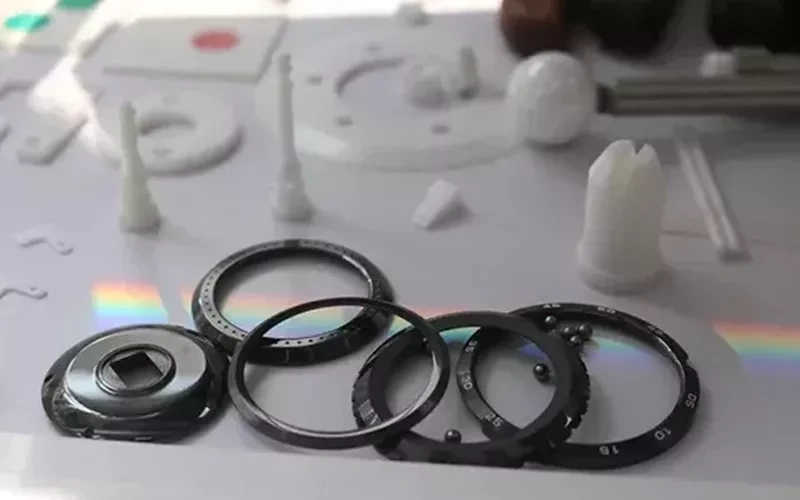
Zirconium Oxide Ceramic Review
Zirconium oxide ceramic commands attention in engineering circles with bold claims: a melting point of 2,715°C, compression resistance reaching 2,000 MPa, and strength surpassing alumina. The material exists in three polymorphic forms and ranks among the most studied ceramics. Yet do these impressive specifications translate to real-life durability in demanding industrial environments? This review gets into zirconia ceramic performance through testing in applications that range from cutting tools to thermal barrier coatings. We evaluate zirconium oxide ceramic properties against industry standards. This analysis reveals where the material delivers on its promises and where alternatives might prove more practical for specific zirconium oxide ceramic uses.
What Is Zirconium Oxide Ceramic And How Does It Work
Simple Chemical Composition And Structure
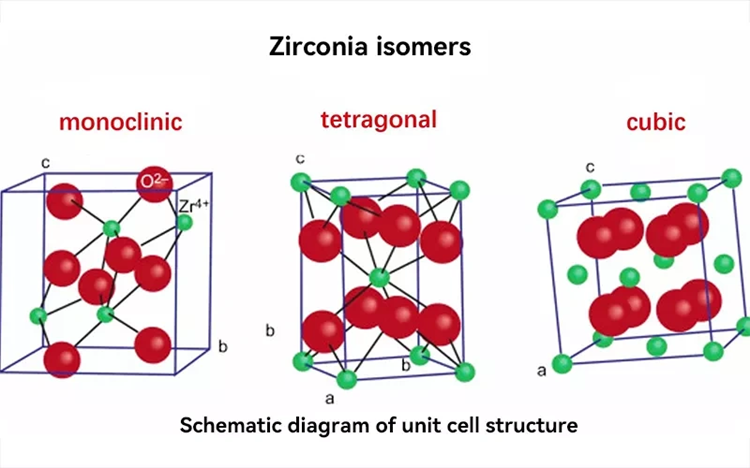
Zirconium oxide ceramic consists of zirconium and oxygen atoms bonded in a ZrO2 configuration, forming a white crystalline structure. The mineral baddeleyite represents its natural form with a monoclinic crystalline arrangement. Monoclinic zirconia contains seven-coordinated zirconium centers, while titanium dioxide features six-coordinated titanium atoms in any phase. Zirconium’s larger atomic radius compared to titanium causes this structural difference and requires additional oxygen coordination to maintain stability.
The material demonstrates remarkable chemical inertness under standard conditions. Concentrated hydrofluoric acid and sulfuric acid attack it slowly. Most other chemicals fail to react with the oxide structure. Zirconia converts to zirconium carbide if heated with carbon, a reaction that is the foundation of metal purification processes as with the Kroll method.
Monoclinic, Tetragonal, And Cubic Phase Transitions
Pure zirconia exists in three distinct crystallographic phases determined by temperature. The monoclinic phase dominates from room temperature to 1170°C and represents the most stable configuration for pure ZrO2. The structure transforms to tetragonal at 1170°C, which persists until 2370°C. The cubic phase emerges beyond 2370°C and remains stable until the material melts at 2716°C.
These phase transitions create major engineering challenges. The transformation from tetragonal to monoclinic during cooling produces a 3-5% volume expansion. This volumetric change generates internal stresses that cause cracking in pure zirconia components and limits their practical applications. The transitions follow a martensitic mechanism, as with hardening processes in steel alloys.
Yttria Stabilization Process (3Y-ZrO2 vs 5Y-ZrO2)
Yttrium oxide addresses phase stability issues but produces different results depending on concentration. Zirconia retains a metastable tetragonal phase at room temperature if stabilized with 3 mol% yttria. This configuration enables transformation toughening, where applied stress triggers localized conversion to monoclinic phase. The volume expansion at crack tips arrests propagation and improves fracture toughness, flexural strength and hardness by a lot.
5 mol% yttria stabilization produces primarily cubic phase zirconia. This variant sacrifices transformation toughening capability but gains increased translucency due to reduced light scattering at grain boundaries. The mechanical properties of 5Y-ZrO2, including fracture toughness and strength, remain inferior to the 3Y variant. Applications that need optical clarity favor 5Y-ZrO2, while structural components demanding maximum mechanical performance rely on 3Y-ZrO2 formulations.
Our Testing Methodology: How We Evaluated Durability Claims
Industrial Application Selection Criteria
Tests focused on five industrial sectors where zirconia ceramic shows wide use: cutting tools, pump components, thermal barrier coatings, dental prosthetics, and oxygen sensors. This selection reflects environments with documented performance claims and baseline comparisons that are decades old. Each application presents distinct stress factors that challenge different material properties, from mechanical wear to thermal cycling and chemical exposure.
Stress Testing Procedures And Standards
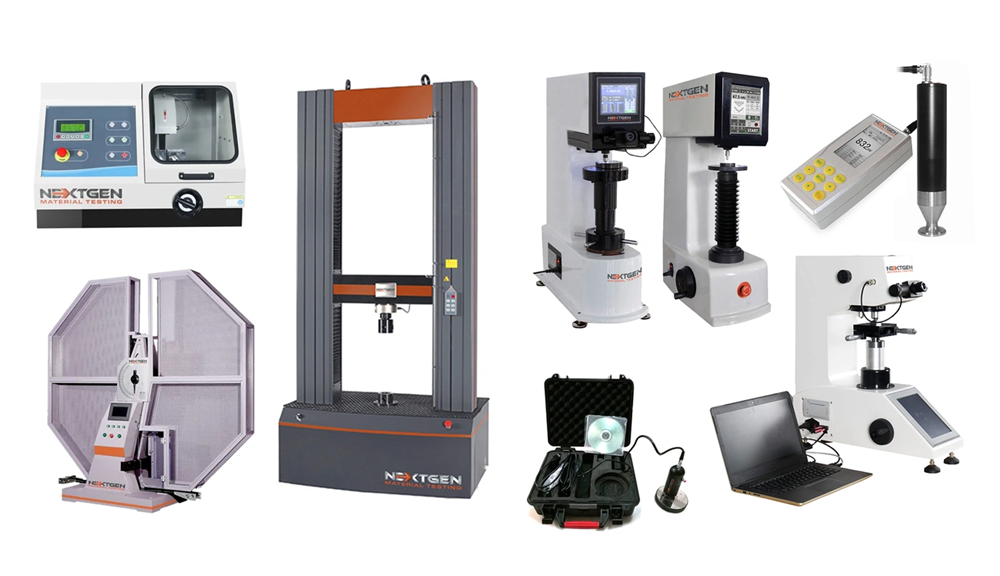
Adhesion testing used ASTM C1624-22 protocols with a Rockwell C diamond stylus. The stylus had a 200 μm tip radius and was drawn across coated specimens at normal force that increased progressively. This method applies to hard ceramic coatings with 5 GPa or higher Vickers hardness and thicknesses between 0.1 to 30 μm. Coating damage assessment occurred along scratch tracks as applied force increased microscopically. This revealed specific failure modes at defined load thresholds.
Nanoindentation measured residual stress in dental crown applications. We compared hardness values between stressed samples and reference specimens annealed at 400°C. Scanning probe microscopy captured impression images for stress distribution mapping across crown cross-sections at multiple thickness locations.
Measurement Tools And Performance Metrics
Quantitative measurements tracked adhesion strength, coating thickness, surface integrity and wear rate. Tests reviewed resistance to cracking, spalling and delamination under mechanical loading, thermal exposure and environmental conditions. Performance data emerged from controlled abrasion cycles, applied loads and elevated temperatures. Thermal cycling with continuous condition monitoring also contributed.
Duration And Environmental Conditions
Accelerated testing protocols compressed aging timelines while maintaining representative stress conditions. Environmental chambers controlled temperature uniformity, heating rates, atmosphere composition and humidity levels throughout test sequences.
Comparison Baseline: Alumina And Steel Alternatives
Clinical wear data gave long-term comparison points. Alumina showed consistent 0.07 mm/year wear rates over 12 years, while 28 mm stainless steel components showed 0.13 mm/year penetration[9]. These baselines set performance thresholds to review zirconia ceramic behavior across application categories.
Zirconium Oxide Ceramic Performance Across Industrial Applications
Cutting Tools And Blades: Wear Resistance Results
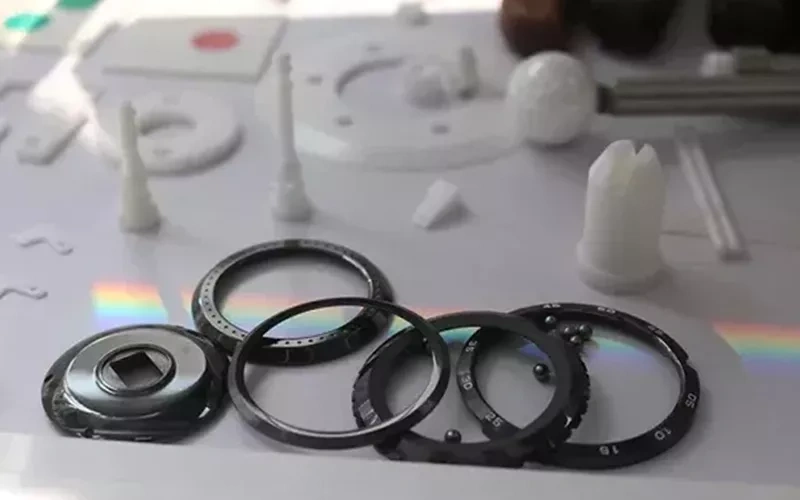
Zirconia ceramic extends operational life up to 100 times compared to standard steel in industrial blade applications. The material outlasts tungsten carbide by 20% in direct comparisons and demonstrates wear resistance 60 times greater than metal alternatives. Zirconia blades manage to keep sharp edges about twice as long as stainless steel under normal use conditions. Mohs hardness reaches 9.
Pump Components: Friction And Surface Degradation
Contact configurations produced mixed outcomes in friction testing. Zirconia against dissimilar materials showed friction coefficients between 0.10-0.20, much lower than hardened steel’s 0.50-0.80 range. Self-mating zirconia contacts proved problematic, but. Matched ZrO2-ZrO2 pairs experienced wear rates two orders of magnitude higher than zirconia-alumina combinations under 10N loads. Surface finish quality influenced performance directly. Polished zirconia minimized friction in pump assemblies.
Thermal Barrier Coatings: Heat Resistance At 1500°C
Yttria-stabilized zirconia coatings sustained continuous exposure at 1500°C in turbine applications. Thermal conductivity measured 1.5 Wm⁻¹K⁻¹ under extreme temperatures. Calcia-stabilized variants managed to keep chemical stability at similar thresholds with conductivity near 2 Wm⁻¹K⁻¹. Gas turbine operating temperatures exceeded 1500-1600°C with these protective layers.
Dental Prosthetics: Biocompatibility And Fracture Toughness
Zirconia implants achieved bone-to-implant contact ratios that exceeded titanium standards. Survival rates spanned 90-98% over five-year periods. Fatigue testing confirmed durability through 10 million cycles at 95N force, and bending strength ranged from 900-1200 MPa. Biofilm accumulation remained much lower than titanium surfaces.
Oxygen Sensors: Ionic Conductivity Under Extreme Conditions
Cubic yttria-stabilized zirconia functions as an oxygen ion conductor above 300°C. Operational sensors require about 700°C. These devices measure oxygen concentrations from 0.1-100% and manage to keep accuracy across combustion, automotive and industrial monitoring applications.
Durability Analysis: Strengths, Weaknesses, And Value Assessment
Confirmed Advantages: Transformation Toughening Mechanism
Stress-activated phase transformation from metastable tetragonal to monoclinic creates compressive zones around crack tips and halts propagation. A 3-4% volume expansion accompanies this mechanism and absorbs crack energy through crystalline restructuring. Transformation toughening raises zirconia above non-transformable ceramics in fracture resistance. Toughness contributions come from volume expansion, shear strain accommodation and microcrack formation.
Performance Limitations: Phase Stability Challenges
Surface processing induces unwanted phase conversion. Sandblasting generates 20.8% monoclinic content by weight. Grinding produces 16.9% and polishing 16.8%. This mechanical transformation weakens framework-to-veneer bonds and promotes microcracking over extended service periods. Spontaneous tetragonal-to-monoclinic shifts create internal stresses that compromise structural integrity. Applications that need aggressive surface modification face problems here.
Cost Per Application Hour: ROI Calculation
Dental applications demonstrate 98% five-year survival rates and exceed metal-ceramic’s 91-97% range. Monolithic designs eliminate veneering defects versus 13.6% chipping in layered variants. 5Y-ZrO2 carries 20-40% material premiums, but eliminating veneering labor yields net savings of 15-30% per restoration.
Zirconia Ceramics That Outperform Alternatives
Zirconia’s 900-1200 MPa flexural strength surpasses lithium disilicate’s 360-400 MPa and porcelain-fused-metal’s 80-100 MPa veneer layer. This makes it superior for posterior crowns, bridges and bruxism cases where mechanical demands exceed esthetic requirements.
Conclusion
Zirconia ceramic proves durable for specific applications, especially in dental prosthetics and cutting tools, where its transformation toughening mechanism provides measurable advantages. The material justifies its premium pricing in posterior crowns and industrial blades with superior wear resistance and fracture toughness. But phase stability challenges from surface processing limit reliability in applications that require aggressive modification. Match the 3Y-ZrO2 variant to high-stress mechanical environments rather than applying it universally in any ceramic application for maximum performance.
Zirconium oxide ceramic demonstrates exceptional durability with flexural strength ranging from 900-1200 MPa and compression resistance reaching 2,000 MPa. It’s highly resistant to cracks and breaks, making it particularly suitable for high-stress applications like dental crowns and industrial cutting tools where long-term performance is critical.
Zirconium oxide offers exceptional wear resistance (60 times greater than metal alternatives), superior thermal shock resistance up to 1500°C, outstanding chemical stability, and excellent corrosion protection. Its unique transformation toughening mechanism creates compressive zones around crack tips, effectively preventing fracture propagation and providing durability advantages over non-transformable ceramics.
Yes, zirconia ceramics exhibit high hardness (Mohs hardness of 9), making them highly resistant to scratches and impacts. However, aggressive surface processing like sandblasting or grinding can induce unwanted phase transformations that may compromise long-term structural integrity, so proper handling is important.
Zirconium oxide ceramic consists of zirconium and oxygen atoms bonded in a ZrO₂ configuration, forming a white crystalline structure. It’s typically stabilized with yttrium oxide (3-5 mol%) to prevent problematic phase transitions and enhance mechanical properties, with 3Y-ZrO2 offering superior fracture toughness and strength.
Yes, in specific applications. Despite 20-40% material premiums, zirconia delivers 98% five-year survival rates in dental applications and extends cutting tool life up to 100 times compared to standard steel. The superior wear resistance, reduced maintenance needs, and elimination of certain processing steps often result in net savings of 15-30% over the component’s lifetime.