
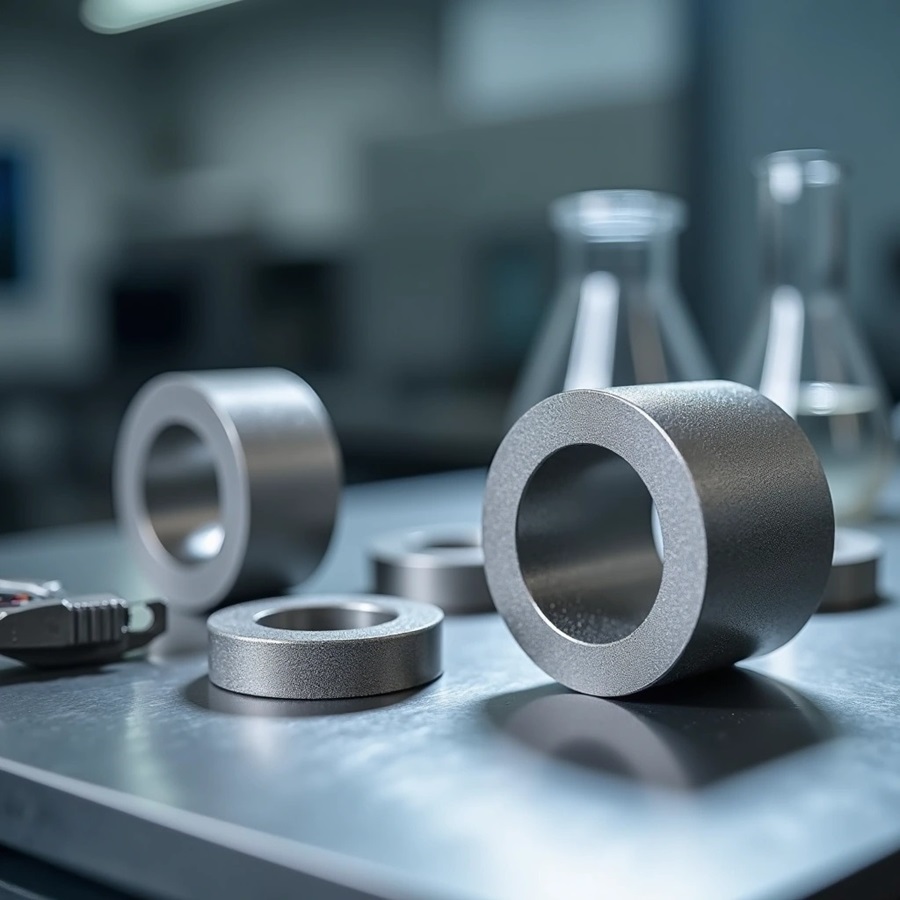
Sintered stainless steel components face a persistent challenge: their corrosion resistance falls short of wrought stainless steel, despite containing chromium content of at least 10.5%. The main culprit is internal porosity. It creates localized corrosion pathways even in premium corrosion resistant stainless steel grades like Type 316L. But achieving densities of at least 7.2 g/cm³ through optimized sintering parameters can substantially boost protection. This piece gets into how manufacturers can select the most corrosion resistant stainless steel grades and control sintering processes to maximize durability in critical applications such as sintered stainless steel filters for food processing and medical devices.
Understanding Sintered Stainless Steel and Its Microstructural Corrosion Challenges
Mechanical Metallurgy: What Is Sintered Stainless Steel?
Powder metallurgy produces stainless steel components by compacting metal powders into desired shapes and heating them below the melting temperature in controlled atmospheres. This near-net-shape technology enables mass production of complex geometries and minimizes material waste. The process is different from conventional melting and casting. It creates unique microstructures that traditional methods cannot achieve.
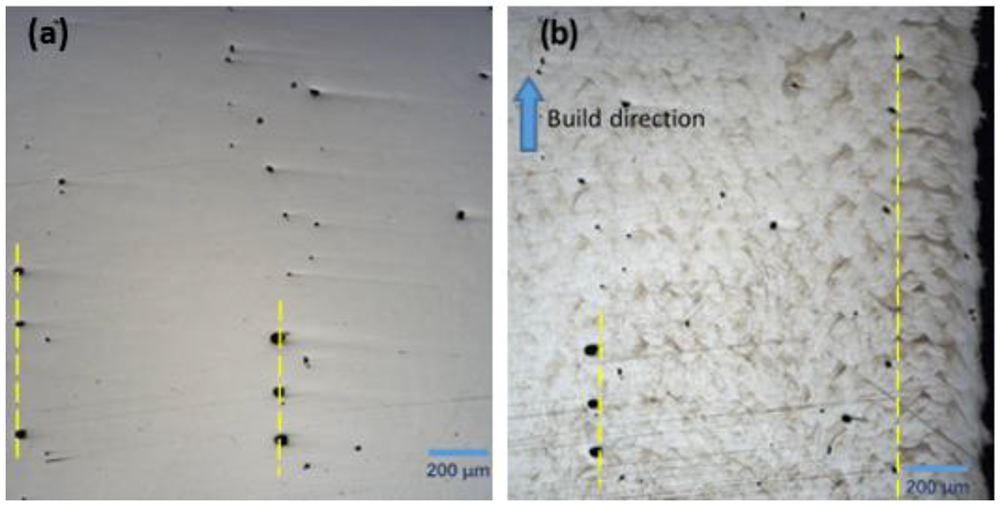
Sintered stainless steel grades maintain the same alloy compositions as their wrought counterparts. Grades like 304L, 316L, and 17-4PH contain identical chromium, nickel, and molybdenum percentages. But the sintering process leaves behind residual porosity that affects performance characteristics deeply. Wrought materials achieve near-theoretical density. Sintered components retain 5-15 vol% porosity even after optimized processing.
How Internal Porosity and Interconnected Voids Impact Localized Corrosion Pathways
Interconnected pores create multiple corrosion initiation sites throughout the material matrix. These voids form continuous networks. Corrosive media can penetrate deep into the component structure through these networks and accelerate degradation rates compared to wrought equivalents. Studies demonstrate that even 5% interconnected porosity reduces corrosion resistance by up to 40% in certain environments.
Corrosion rates for sintered stainless steel can reach two or more orders of magnitude worse than wrought materials of identical composition. This dramatic performance gap stems from the increased surface area exposed to corrosive attack. Calculating accurate corrosion rates requires accounting for internal pore surfaces, not just the apparent external area. The effective surface area multiplies when pore networks connect to the exterior environment.
Pore geometry exerts additional influence on corrosion behavior. Irregular, angular voids with high surface area-to-volume ratios concentrate stress at their edges. These become preferential sites for attack initiation. Varying densification rates across complex geometries create regions of different porosity levels. This heterogeneity establishes galvanic coupling between high-density and low-density zones and drives accelerated localized corrosion.
Common Corrosion Vulnerabilities: Crevice Corrosion vs. General Depolarization
Crevice corrosion represents the primary degradation mechanism in sintered stainless steel. Pores function as microscopic crevices that trap moisture and create oxygen-depleted zones. The protective chromium oxide layer cannot form or maintain stability within these confined spaces. Oxygen depletion occurs as consumption outpaces diffusion into narrow voids. This breaks down the passive film that shields stainless steel surfaces.
Metal dissolution within pores produces positive ions that attract chloride anions and concentrate aggressive species inside the voids. Hydrolysis reactions generate increasingly acidic conditions. Low pH combined with high chloride concentration and oxygen starvation creates an environment that accelerates metal dissolution. External surfaces remain cathodic and protected at the same time. This establishes the electrochemical cell that perpetuates corrosion deep within the pore structure.
Preferential corrosion sites extend beyond pores to include grain boundaries and phase boundaries. Manganese sulfide inclusions present particular concern. These non-metallic features initiate pitting even when pore density decreases.
Selecting the Optimum Corrosion-Resistant Stainless Steel Grades for Sintering
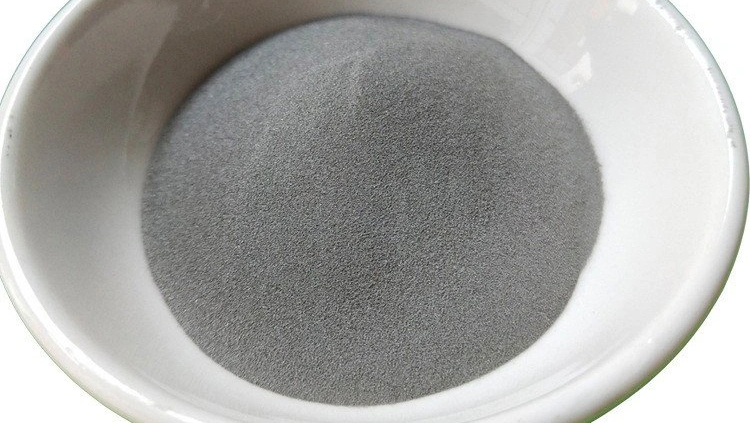
Selecting the correct stainless steel grade is paramount to balancing mechanical fatigue and anti-oxidation performance. For applications requiring standard anti-rust capabilities under mild environmental conditions, Austenitic 304 and Ferritic 430 offer cost-effective efficiency. However, when confronting highly corrosive chloride environments or marine atmospheres, Austenitic 316L remains the definitive gold standard due to its strategic Molybdenum (Mo) enrichment. For engineering scenarios that demand both supreme tensile strengths and excellent corrosion pathways—such as high-load automotive linkages and precision medical tools—Precipitation-Hardening 17-4PH under optimized H900/H1150 thermal processing stands out as the ultimate metallurgical solution.
Optimizing Sintering Process Parameters to Eliminate Porosity
Density control represents the determining factor between inferior and superior corrosion resistance in sintered stainless steel components. Research demonstrates that increasing sintering temperature from 1200°C to 1300°C lifts relative density from 82.9% to 90% for 60-minute soaking periods. Higher temperatures activate thermally driven diffusion processes that close internal voids and strengthen particle bonding throughout the component matrix.
Precision Control of Sintering Temperature and Extended Holding Time
Material-specific requirements determine temperature selection. 316L stainless steel powders cold-pressed at 600 MPa achieve 92% relative density when sintered at 1400°C for one hour. Extended holding periods magnify densification effects since atomic diffusion continues throughout the isothermal stage. Studies on HK30 stainless steel reveal that sintering at 1280°C produces a maximum density of 7.61 g/cm³ after seven hours, compared to lower values at shorter durations. The relative density increases from 85.11% to 86.61% when extending sintering duration from 60 to 120 minutes at 1300°C.
Excessive temperatures or prolonged exposure trigger grain boundary coarsening and potential over-burning. Metallographic analysis shows that samples sintered at 1300°C for nine hours expressed decreased density due to grain growth and weakened intergranular bonding.
Compaction Pressure Settings: Microstructural Analysis of 30 MPa vs. 40 MPa Impact
Green density establishes the foundation for final sintered performance. Compaction pressure creates bonds among powder particles through plastic deformation at contact points and reduces starting porosity. 17-4PH stainless steel shows that increasing cold pressing from 800 MPa to 1600 MPa raises relative green density from 80.20% to 91.76%. This proportional relationship carries through to sintered density. Samples pressed at 1600 MPa and sintered for seven hours at 1200°C achieve 98.07% relative density.
High compaction pressures approaching 1600 MPa prove effective in achieving densification levels near 97%, approaching theoretical maximum density. Contact areas between compacted particles expand under increased pressure and create more diffusion pathways during subsequent thermal processing.
Sintering Atmosphere Selection: Evaluating Hydrogen (H₂) vs. Nitrogen (N₂) Effects on Nitriding
Atmosphere composition affects both densification behavior and final properties. Austenitic stainless steel grades require 100% hydrogen atmospheres to prevent chromium nitride precipitation that degrades corrosion resistance. Hydrogen reduction at 1100°C produces oxygen content as low as 0.14 wt% and helps nitrogen absorption up to 2.25 wt%. Samples reduced in hydrogen at elevated temperatures demonstrate superior compressive properties while retaining corrosion resistance, as oxide reduction helps atomic bonding.
Nitrogen-containing atmospheres strengthen materials through solid-solution hardening but risk detrimental chromium nitrides during cooling. Sintering in 90% hydrogen/10% nitrogen atmospheres provides controlled nitrogen pickup without excessive nitride formation when rapid cooling rates suppress precipitation.
Advanced Vacuum Sintering Techniques to Achieve Densities Exceeding 7.6 g/cm³
Vacuum sintering removes oxygen, nitrogen, and water vapor to prevent oxidation during high-temperature exposure. This oxygen-free environment enables sintering temperatures reaching 1200°C to 1700°C while maintaining surface cleanliness. Ultra-high vacuum levels near 10⁻³ Pa reduce oxygen content to nearly zero and eliminate secondary oxidation and residual microcracks at particle boundaries. Corrosion-resistant stainless steel grades requiring maximum density benefit from vacuum processing combined with extended thermal cycles. This produces sintered stainless steel filters and structural components with densities exceeding 7.6 g/cm³.
JHMIM operates an 18,000+ square meter facility equipped with advanced high-tonnage sintering and pressing equipment. The company has over 20 years of expertise in powder metallurgy and metal injection molding. Backed by 150+ skilled technicians, JHMIM delivers high-density, zero-defect sintered stainless steel components that meet stringent corrosion resistance specifications for global applications.
Advanced Metallurgy: Addressing MnS Inclusions and Post-Sintering Heat Treatments
Metallurgical defects beyond porosity determine whether sintered stainless steel achieves theoretical corrosion resistance. Non-metallic inclusions and improper post-processing treatments undermine protective chromium oxide layers even when density exceeds 7.6 g/cm³.
How Manganese Sulfide (MnS) Inclusions Initiate Micro-Pitting Sites
MnS inclusions represent preferred initiation sites for pitting corrosion in stainless steel grades. These sulfide particles disrupt passive film continuity and allow chloride ions to attack exposed boundaries. Sintered Type 316L stainless steel contains approximately 6 inclusions larger than 1 µm per 100×100 µm area, with 30% probability of containing sulfur. Anodic dissolution of MnS exposes bare steel matrix while releasing sulfur species that deteriorate surrounding areas. Research demonstrates that high-voltage pulse electrolysis treatment at 353 K dissolves MnS and reduces current spikes from metastable pitting while eliminating stable pit formation. Reducing sulfide inclusions proves highly effective in improving pitting corrosion resistance in sintered stainless steel components.
Material Composition Optimization Control to Minimize Residual Oxides and Sulfides
As-sintered 17-4PH requires holding residual carbon content below 0.07% to achieve high mechanical strength and acceptable ductility. Rapid cooling rates from sintering temperature prevent excessive carbide precipitation that weakens corrosion resistance. Sulfur additions improve machinability but create exposed sulfides that act as corrosion initiation sites unless passivated.
Post-Sintering Chemical Passivation Methods for Increased Anti-Rust Protection
Passivation removes free iron contamination and reforms protective chromium oxide layers on machined surfaces. Citric acid treatments dissolve surface contaminants while leaving chromium intact and create environmentally friendly alternatives to nitric acid methods. Immersion temperatures range between 120°F and 150°F for 20 to 30 minutes. The acid chemically removes free iron and produces surfaces with higher chromium proportions that form thicker protective oxide layers within 24 to 48 hours of air exposure.
Thermal Processing: Precipitation Hardening (H900/H1150) to Tap Into 17-4PH Mechanical Peak Performance
Precipitation hardening develops sub-microscopic precipitates throughout martensitic matrices and strengthens without severely reducing ductility. H900 treatment at approximately 900°F produces hardness ranging from 35 to 43 HRC and delivers maximum strength for demanding applications. H1150 processing at 1150°F yields 27 to 35 HRC hardness while providing superior toughness and corrosion resistance. Tensile strength reaches 1.35 GPa after post-heat treatment, yield strength achieves 1.11 GPa, and elongation extends to 7.8%. Press-and-sinter 17-4PH aged at 552°C produces useful combinations of high strength exceeding 1000 MPa with moderate ductility despite relatively low sintered densities.
High-Performance Engineering Case Study: Sintered Stainless Steel Filters
Controlled Porous Structure Design for Industrial Gas and Liquid Filtration Applications
Sintered stainless steel filters use intentional porosity to achieve precise particle retention in demanding industrial environments. The manufacturing process enables filtration ratings from 0.1 to 100 µm absolute for gas applications, with pore size distribution controlled through powder particle selection, compaction, and sintering parameters. This versatility supports applications in chemical processing, petrochemical refining, power generation, and semiconductor fabrication where high-efficiency particle removal protects downstream equipment.
Temperature capabilities extend from 750°F to 1750°F depending on alloy selection and atmospheric conditions. Oxide formation limits service temperature rather than material strength in oxidizing environments, whereas reducing atmospheres permit operation based on high-temperature mechanical properties alone. The all-welded construction withstands differential pressures exceeding 3000 psi without media migration and makes continuous back-pulse cleaning possible that extends on-stream service life.
Meeting Strict Regulatory Standards for Food Processing and Medical Device Components
Food and beverage steam filtration requires compliance with 3-A Sanitary Standards for direct product contact applications. Filter media fabricated from sintered 316L stainless steel meet U.S. FDA CFR Title 21 and EU 1935/2004/EC requirements, containing no binders, adhesives, or surfactants that could contaminate products. Electropolished surfaces eliminate bacterial accumulation sites, while sanitary clamp connections replace threaded joints. Medical-grade applications demand materials capable of withstanding repeated sterilization cycles at elevated temperatures and pressures.
Electrochemical Evaluation: Using Potentiodynamic Polarization Testing for Durability Validation
Potentiodynamic polarization measurements measure pitting corrosion resistance by scanning electrode potential while recording current response. Testing sintered Type 316L with electrode areas from 300×300 µm to 5×5 mm reveals that pit initiation site distribution density substantially exceeds wrought equivalents. Electrochemical impedance spectroscopy performed from 10 mHz to 100 kHz provides corrosion protection data, with impedance modulus values approaching 10⁶ Ω showing superior performance.
Partner with JHMIM for High-Density Stainless Steel Engineering
Manufacturing corrosion resistant stainless steel components at densities exceeding 7.6 g/cm³ just needs specialized equipment and metallurgical expertise. Selecting between austenitic 316L, precipitation-hardening 17-4PH, or other stainless steel grades requires evaluating mechanical performance against environmental exposure conditions.
Utilize Our Advanced High-Temperature Sintering Infrastructures for Your Custom Component Projects
JHMIM operates an 18,000+ square meter manufacturing facility equipped with advanced high-tonnage sintering and pressing equipment. The company has over 20 years of expertise in powder metallurgy and metal injection molding. 150+ skilled technicians support the operations and deliver high-density, zero-defect sintered stainless steel components that solve tight-tolerance manufacturing challenges. High-temperature sintering furnaces reach temperatures up to 2200°C and enable rapid densification while controlling grain growth for most corrosion resistant stainless steel applications. Hydrogen atmosphere processing reduces oxygen content below 0.15 wt% and eliminates residual oxides that compromise passive film formation in sintered stainless steel filters and structural components.
Submit Your Architectural Specifications and 3D CAD Drawings (STEP/IGS) for a Free Corrosion-Resistance DFM Evaluation
Engineers receive design-for-manufacturability feedback by submitting 3D CAD models in STEP or IGES formats. The evaluation identifies opportunities to optimize part geometry and select appropriate corrosion resistant stainless steel grades. It also helps develop economical tooling strategies and plan secondary operations including machining and passivation treatments. This integrated approach minimizes tooling costs while maximizing corrosion resistance for demanding applications.
FAQs
Q1. Which stainless steel grade offers the best corrosion protection? 316L stainless steel is widely considered the gold standard for maximum corrosion resistance, particularly in marine and chemical environments. Its molybdenum content provides superior protection against chloride-induced corrosion compared to other grades. For applications requiring both high strength and excellent corrosion resistance, 17-4PH stainless steel offers an optimal balance of properties.
Q2. What methods can improve the corrosion resistance of stainless steel components? Corrosion resistance can be enhanced through several approaches: achieving higher densification (at least 7.2 g/cm³) to minimize porosity, optimizing sintering parameters including temperature and atmosphere control, performing post-sintering chemical passivation to reform protective chromium oxide layers, and selecting appropriate alloy grades with adequate chromium content (minimum 10.5%). Controlling residual oxides and sulfide inclusions during manufacturing also significantly improves performance.
Q3. Is it possible to sinter stainless steel materials effectively? Yes, stainless steel can be successfully sintered at high temperatures to achieve desired mechanical, corrosion, and high-temperature properties through densification. While this processing method delivers excellent material characteristics, controlling dimensional changes during sintering requires careful optimization of process parameters including temperature, holding time, compaction pressure, and atmosphere selection.
Q4. How does stainless steel achieve its corrosion-resistant properties? Stainless steel’s corrosion resistance comes from its chromium content of at least 10.5% by weight. This chromium forms a self-healing, passive chromium oxide layer on the material’s surface that protects against environmental attack. When this protective film is damaged, it automatically reforms in the presence of oxygen, continuously maintaining the material’s corrosion resistance.
Q5. What role does porosity play in the corrosion resistance of sintered stainless steel? Internal porosity creates interconnected pathways that allow corrosive media to penetrate deep into the component structure, significantly reducing corrosion resistance compared to wrought materials. Even 5% interconnected porosity can reduce corrosion resistance by up to 40%. These pores act as microscopic crevices that trap moisture, create oxygen-depleted zones, and prevent the formation of protective chromium oxide layers, making porosity elimination critical for achieving maximum corrosion protection.