
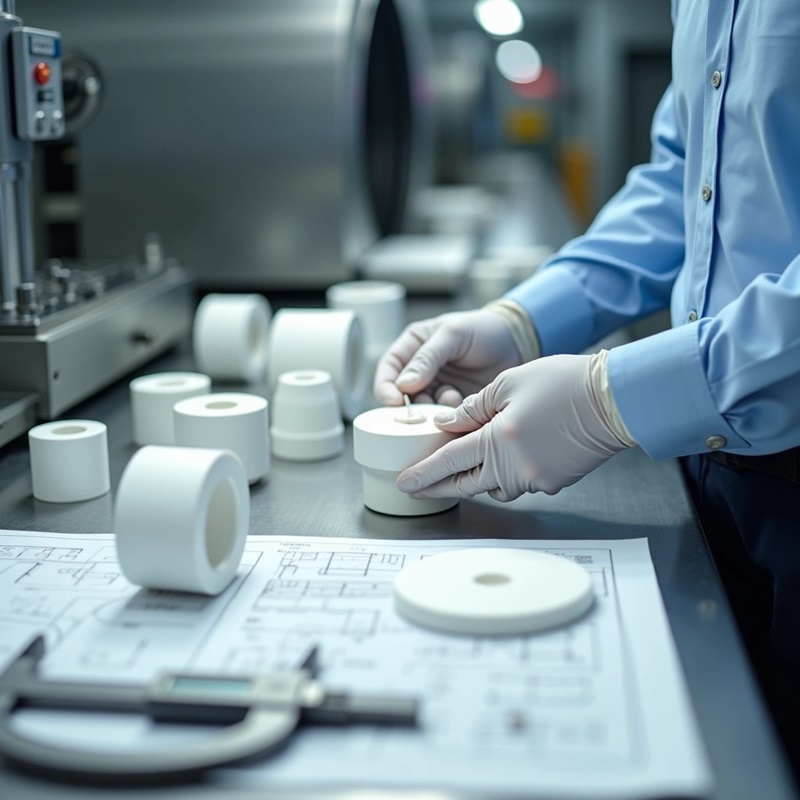
 Understanding how ceramic materials are processed can feel overwhelming when you try to budget your project. A ceramic project can stretch out 6 to 12 months before you receive production quantities. Tooling preparation takes 2 to 3 months. Lead times range from as quick as 1 week to over 20 weeks, and this makes cost estimation challenging.
We’ve created this piece to guide you through custom ceramic parts pricing with confidence. We’ll get into the ceramic manufacturing process in detail and break down how ceramic materials are made. You’ll learn about different ceramic processing methods and identify the key factors that drive costs. Understanding ceramic manufacturing methods and pricing structures will give you the tools to make informed decisions that balance quality with your budget.
Understanding custom ceramic parts pricing basics
The pricing structure for custom ceramic parts changes a lot based on whether you’re ordering a handful of prototypes or thousands of production pieces. You need to understand these pricing basics to plan budgets accurately and choose the right ceramic manufacturing methods.
Small batch vs. production quantities
Machinable ceramics like Macor, Shapal, and Boron Nitride offer big cost advantages for small quantities. These materials work with standard carbide tools and don’t require post-firing, which creates a direct route to functional parts. But this pricing advantage reverses at higher volumes.
The economics flip because non-machinable ceramics become more cost-effective when you need large quantities or very high performance, even though they require specialist tooling and longer lead times. Upfront tooling costs are high but spread well over large production runs. Then what saves money at 50 pieces might cost much more at 5,000 pieces.
Material selection effect on cost
Material choice creates one of the biggest cost variations in ceramic manufacturing. Zirconia costs more than twice as much as premium alumina materials. Three factors drive this price gap:
Raw material availability plays the main role. Aluminum exists in Earth’s crust much more than zirconium, which makes alumina’s base materials cheaper. Processing complexity adds another layer of expense. Grinding and shaping zirconia takes about 10 times longer compared to alumina because of its higher density and superior wear resistance, and this consumes more diamond tools in the process. Thermal requirements round out the cost differences, as zirconia needs higher sintering temperatures and has worse thermal shock resistance that leads to more expensive sintering processes.
Applications that work with both materials can benefit from using alumina instead of zirconia. This creates big cost savings while often maintaining performance in non-critical areas.
Tooling and setup expenses
Tooling represents a big upfront investment in ceramic manufacturing. For processes like injection molding, tooling can cost $10,000 or more and add weeks or months to production timelines. You need 2 to 3 months to get tools ready before you even start making the parts.
Machinable ceramics help streamline development by eliminating these tooling expenses for small batches. Materials like Macor remain stable at temperatures up to 800°C and work best at 1,000°C, with a coefficient of thermal expansion that matches most metals and sealing glasses well. This makes quick modifications possible with conventional metalworking equipment and speeds up prototype development without the typical tooling delays.
Key factors that affect ceramic manufacturing costs

Manufacturing costs to produce ceramic parts break down into material costs, forming costs, finishing costs, firing costs, and test costs. Material costs stay low in most cases, but other factors create the pricing variations you’ll encounter.
Part complexity and design requirements
Design decisions made before the first part is fired determine most ceramic overruns. Thin walls prone to cracking, sharp corners creating stress concentration, and complex geometry requiring multi-step tooling all embed cost risk early. Sharp edges and corners increase cracking and breakage risks. Engineers can eliminate these risks by adding a minimum 0.020″ chamfer on all edges.
Symmetrical designs make ceramic manufacturing much simpler. Round parts cost less to tool compared to other shapes. Ceramic parts shrink up to 30% during sintering. This makes dimensional control difficult with complex geometries.
Tolerances and surface finish specifications
Tighter tolerances cost 2-24 times more than standard tolerances. Parts designed with wider tolerances (±1-3%) can often be produced as-sintered. This eliminates diamond grinding, one of the costliest manufacturing stages. Pressed ceramics achieve standard tolerances of ±0.015″ per inch, and injection molding achieves ±0.005″ per inch.
Hard finishing costs often become the dominating factor when the work needs to be done. Polishing and grinding require manual work at slow material removal rates. These processes can potentially double or triple production costs.
Production volume and order size
Ceramic injection molding becomes advantageous for high-volume production. The original mold tooling investment pays off faster as production volume increases. Production orders of 100 to 10,000 pieces benefit from automation techniques and higher capacity tooling.
Lead time requirements
Manufacturing timelines vary based on factory capacity and process complexity. Ceramic manufacturing requires twelve to fourteen different steps. Lead times range from 1 week to over 20 weeks, with longer durations in part about orders stacking up in the queue.
Ceramic processing methods and their cost implications
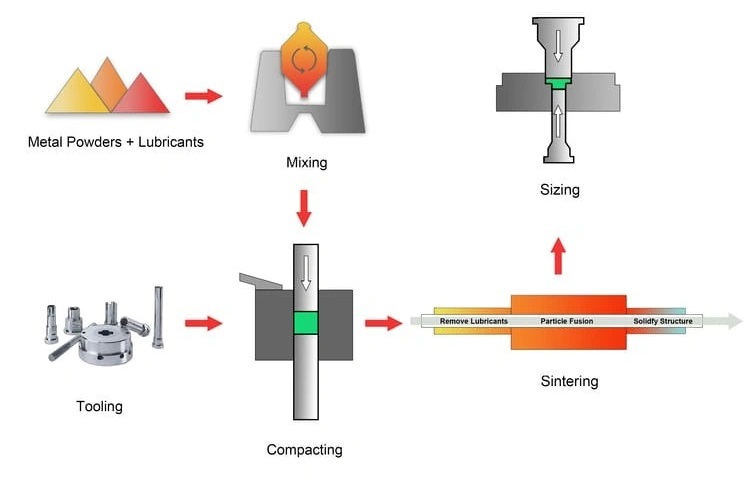
Different ceramic processing methods create very different cost structures. The method you choose determines not just unit pricing but also how quickly costs scale with volume.
Pressing and molding techniques
Dry pressing delivers high efficiency. Single-piece molding cycles take just a few seconds and enable annual production capacity reaching 35 million pieces. Molding density fluctuations stay controlled within ±1-2%. This reduces defects like delamination and cracking.
Ceramic injection molding requires high upfront investment. Original mold costs range from €10,000 to over €100,000 depending on part complexity. Simple production geometry molds cost $15,000-$30,000, whereas complex multi-cavity molds reach $50,000-$100,000. But per-part costs drop with volume, from $2.00-$8.00 at 10,000 units to $0.50-$2.00 at 100,000+ units. Break-even occurs between 3,000-10,000 parts.
Firing and post-processing steps
Firing temperatures for alumina and zirconia range from 1,500°C to 1,800°C. Typical firing cycles vary between 12 and 24 hours depending on kiln type and product. Ceramics shrink about 20% during sintering.
Energy costs vary by kiln size. Medium kilns (50-200L) at 10 kWh cost around €14 for an 8-hour firing at 1,300°C. Industrial kilns (500L+) at 40 kWh cost about €56 per firing cycle.
Green machining vs. hard machining
Green machining happens before firing when ceramics remain soft enough for standard steel or carbide tools. This cuts down tool wear and energy consumption compared to post-sintering machining.
Machining fired ceramics accounts for 50% to 90% of total production costs. Dense ceramics require diamond or cubic boron nitride tools, which drives up expenses.
How to reduce costs when ordering custom ceramic parts
Smart procurement decisions start with design choices that minimize expensive post-processing. Research shows approximately 70% of manufacturing costs are determined during the design phase, and this makes early optimization decisions critical for profitability.
Design optimization strategies
Components that are complete in the as-fired state are the most affordable option to design. Most costs in ceramic manufacturing come from diamond grinding after firing. So specifying wider tolerances (±1-3%) allows parts to be produced as-sintered and eliminates this expensive stage. Round parts cost less to tool compared to square or rectangular shapes. Symmetrical forms allow materials to flow better during forming and shrink more evenly during firing.
Choosing affordable materials
Applications that work with both alumina and zirconia can benefit from using alumina instead and create substantial cost savings while often maintaining performance in non-critical areas. You need to balance material performance with budget constraints, especially for large-scale applications. Alumina often provides an affordable alternative with good overall properties.
Balancing quality with budget
A survey noted that nearly 70% of buyers experience sticker shock due to unexpected costs. You can compare quotes from multiple suppliers to gain valuable insights, as ignoring this step may lead to overspending.
Working with experienced manufacturers
Early connection with sales support teams helps avoid mismatches between material capability and application demands. Pre-sales consultation reduces risk of material failure and delivers cost savings from avoiding rework while improving product quality.
Conclusion
Custom ceramic parts pricing becomes manageable once you understand the relationship between design decisions, material selection, and manufacturing methods. We’ve shown you how tolerances, part geometry, and order volume affect costs more than the raw materials themselves.
Design with wider tolerances and symmetrical shapes to avoid expensive post-processing. Machinable ceramics eliminate tooling costs for prototypes. Production quantities benefit from injection molding despite higher setup expenses. Your best strategy involves consulting manufacturers early and comparing multiple quotes. Balance performance requirements with budget realities. These steps will help you control costs and retain the quality your application demands.
FAQs
Q1. Why does custom ceramic manufacturing take so long? Ceramic manufacturing involves twelve to fourteen different steps, including tooling preparation, forming, firing, and finishing. Tooling alone can take 2 to 3 months before production even begins. The complete process from initial order to receiving production quantities typically ranges from 6 to 12 months, with lead times varying from 1 week to over 20 weeks depending on factory capacity, process complexity, and order queue.
Q2. What makes zirconia ceramics more expensive than alumina? Zirconia costs more than twice as much as premium alumina due to three main factors: raw material scarcity (zirconium is less abundant than aluminum in Earth’s crust), processing complexity (grinding and shaping zirconia takes about 10 times longer and consumes more diamond tools), and higher thermal requirements (zirconia needs higher sintering temperatures, leading to more expensive firing processes).
Q3. How does production volume affect ceramic part pricing? Production volume dramatically impacts pricing structure. Machinable ceramics offer cost advantages for small quantities since they don’t require expensive tooling. However, at higher volumes, non-machinable ceramics become more cost-effective despite high upfront tooling costs ($10,000 or more). For ceramic injection molding, per-part costs can drop from $2.00-$8.00 at 10,000 units to $0.50-$2.00 at 100,000+ units.
Q4. What’s the difference between green machining and hard machining for ceramics? Green machining occurs before firing when ceramics are still soft enough for standard steel or carbide tools, significantly reducing tool wear and energy consumption. Hard machining happens after firing and requires expensive diamond or cubic boron nitride tools, accounting for 50% to 90% of total production costs. Green machining is substantially more cost-effective when feasible.
Q5. How can I reduce costs when ordering custom ceramic parts? Design parts with wider tolerances (±1-3%) to allow as-sintered production, eliminating expensive diamond grinding. Choose symmetrical, round shapes that are easier to tool and manufacture. Select cost-effective materials like alumina instead of zirconia when performance allows. Engage with manufacturers early for design consultation, and compare quotes from multiple suppliers to avoid overspending.