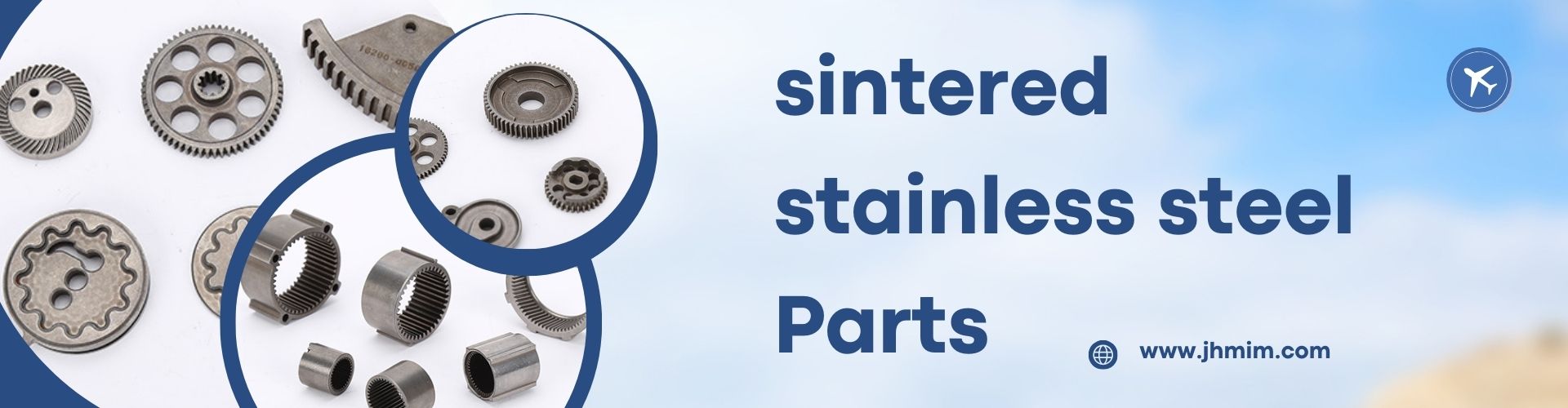
What Is Sintered Stainless Steel?
Sintered stainless steel is a high-performance material manufactured through powder metallurgy (PM) and metal injection molding (MIM) technologies. In this process, fine stainless steel powders are compacted into precision green shapes and heated in a controlled-atmosphere furnace below their melting point (typically 1100°C–1350°C). This solid-state diffusion process bonds metal particles together, creating dense, complex, and corrosion-resistant components with minimal material waste.
Key Takeaways for Procurement & Engineers:
- High Precision & Complex Geometries: Ideal for net-shape structural parts like gears, bushings, and surgical tools.
- Material Efficiency: Reduces material waste by 30%–50% compared to conventional CNC machining.
- Versatile Materials: Covers 316L, 304L, 17-4 PH, 410, and Duplex 2205 grades for tailored strength and corrosion resistance.
The Stainless Steel Sintering Process: Step-by-Step
The manufacturing process transforms raw alloy powder into high-density finished components through six tightly controlled processing stages:
1. Powder Production
High-quality stainless steel powders are produced using two primary industrial methods:
- Gas/Water Atomization: Molten stainless steel is disintegrated by high-pressure gas or water jets, creating spherical or irregular fine powders.
- Mechanical Pulverization: Used for specialized powder feeds, though atomization remains the standard for precision PM and MIM.
2. Blending and Powder Formulation
Stainless steel powders are homogenized with precise additives, lubricants, or organic binder systems to improve powder flow during die compaction or injection molding, reduce ejection friction, and control thermal shrinkage during sintering.
3. Compaction or Injection Molding
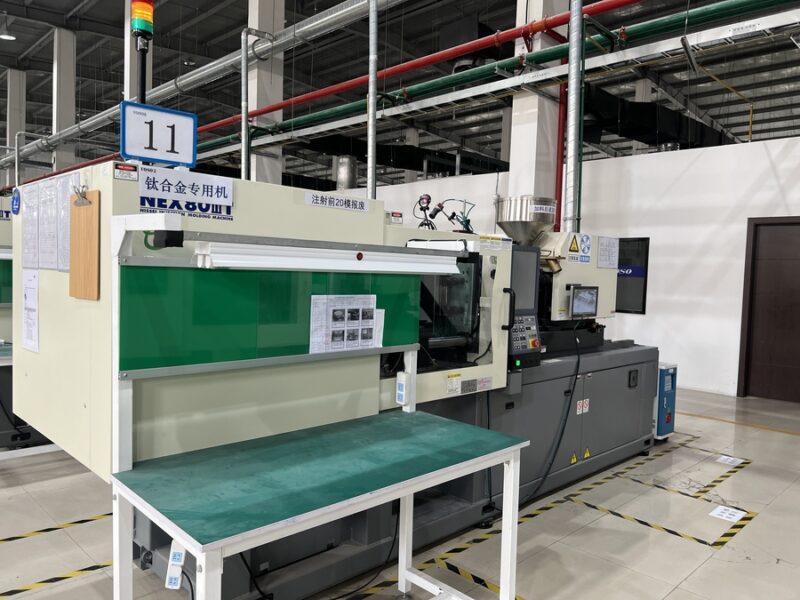
The powder mix is shaped into a “green part” under extreme pressure (typically 200–1000 MPa) using Uniaxial Pressing, Cold Isostatic Pressing (CIP), or Metal Injection Molding (MIM). Green parts possess the required geometric details but low mechanical strength before thermal bonding.
4. Sintering in Controlled Atmospheres
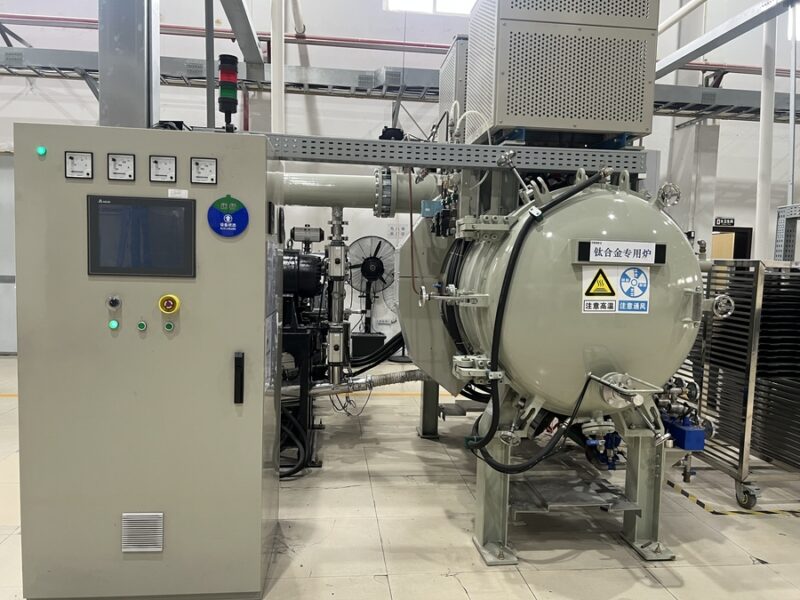
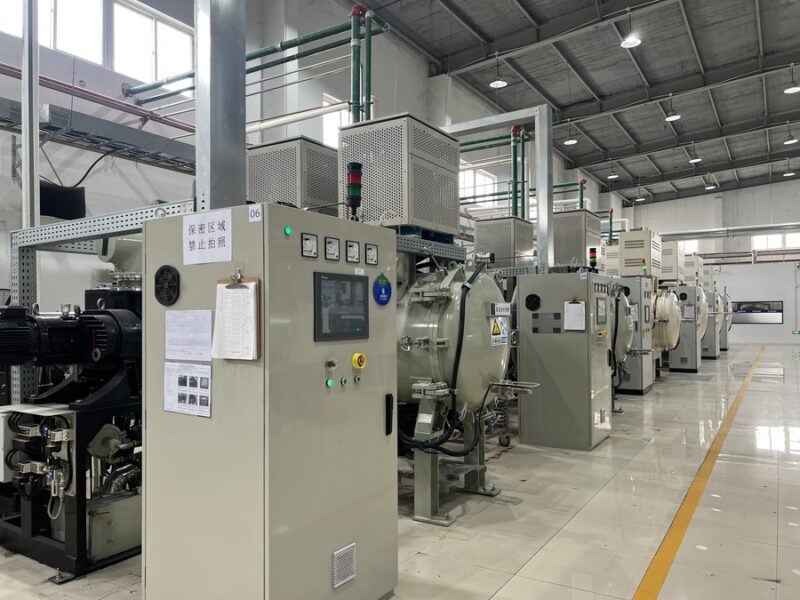
The green part is placed in high-temperature vacuum or continuous mesh-belt furnaces. Sintering occurs at 70% to 90% of the metal’s melting temperature (1100°C–1350°C). Pure hydrogen, nitrogen-hydrogen mixes, or vacuum atmospheres prevent chromium oxidation, eliminate residual organic binders, and drive solid-state diffusion for particle densification.
5. Controlled Cooling Profile
Gradual cooling under protective atmospheres prevents microstructural stresses, warping, and intergranular corrosion, ensuring dimensional stability and optimal metallurgical properties.
6. Post-Sintering Secondary Operations (Optional)
Depending on dimensional tolerances and application environment, sintered parts can undergo:
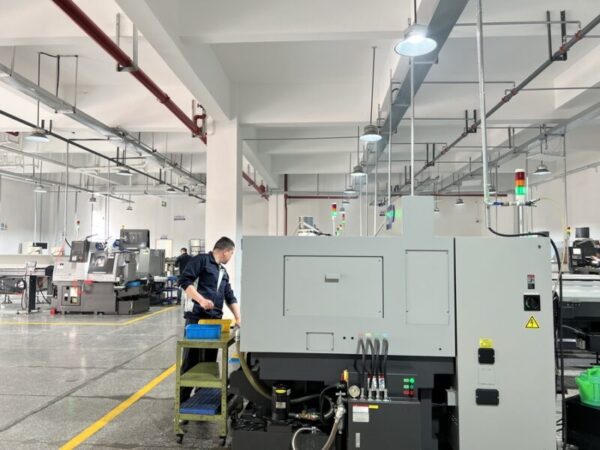
- CNC Machining & Grinding: Holds ultra-tight tolerances (e.g., ±0.01mm).
- Heat Treatment & Passivation: Increases hardness (e.g., H900 for 17-4 PH) and enhances corrosion resistance.
- Infiltration & Co-Sintering: Fills residual pores with secondary metals for increased density or strength.
Key Technical Considerations in Stainless Steel Sintering
- Atmosphere Control: Chromium in stainless steel oxidizes rapidly; continuous dew-point monitoring and reducing atmospheres are mandatory.
- Volumetric Shrinkage: Parts experience 12%–20% linear shrinkage during densification, requiring precise tooling design compensation.
- Density vs. Porosity: Density ranges from 85% to 98%+ of theoretical limits, customized for structural components vs. porous filters.
Benefits of Sintered Stainless Steel Parts
1. Superior Cost Efficiency at High Volumes
Near-net-shape manufacturing achieves over 95% material utilization, dramatically reducing unit costs and machining cycle times for mass-production runs exceeding 5,000 units.
2. Exceptional Design Freedom
Enables intricate internal channels, cross-holes, external threads, and complex geometries that are cost-prohibitive or impossible with traditional subtractive CNC machining.
3. Homogeneous Quality & Precision Tolerances
Powder metallurgy delivers uniform microstructure, consistent chemical distribution, and predictable standard dimensional tolerances (±0.2% to ±0.5%).
4. High Mechanical Strength & Wear Resistance
Properly sintered alloys achieve mechanical properties comparable to wrought stainless steel, delivering high yield strength, impact toughness, and surface durability.
5. Engineered Porosity Control
Tailored powder size selection allows the manufacture of controlled porous structures for precise liquid/gas filtration and fluid distribution components.
Common Stainless Steel Material Grades for Sintering
| Alloy Class | Common Grades | Key Properties | Primary Applications |
|---|---|---|---|
| Austenitic (300 Series) | 304L, 316L | Non-magnetic, superior corrosion resistance, high ductility. | Medical devices, food processing, marine hardware, chemical valves. |
| Precipitation Hardening | 17-4 PH, 15-5 PH | Ultra-high tensile strength, heat treatable, excellent wear resistance. | Aerospace structural brackets, surgical instruments, firearm components. |
| Martensitic (400 Series) | 410, 420, 440C | Magnetic, high hardness, wear-resistant, moderate corrosion resistance. | Cutting tools, bearings, valve seats, mechanical fasteners. |
| Ferritic (400 Series) | 430L, 434 | Magnetic, resistant to stress-corrosion cracking, cost-effective. | Automotive exhaust flanges, sensor housings, magnetic actuators. |
| Duplex Stainless | 2205 | Dual-phase structure, extreme pitting and crevice corrosion resistance. | Offshore oil & gas, chemical pumps, heavy industrial machinery. |
Industrial Applications of Sintered Stainless Steel Parts
- Precision Structural Parts: Sintered metal gears, bushings, connecting links, and lock mechanisms for industrial machinery.
- Porous Media & Filtration: High-temperature gas filters, liquid spargers, flame arrestors, and catalyst recovery grids.
- Magnetic & Sensor Components: Pole pieces, solenoid armatures, and sensor bodies used in automotive and industrial control systems.
- Wear-Resistant Hardware: Valve plates, pump impellers, surgical shears, and high-duty mechanical locks.
Conclusion & Request a Custom Sintering Quote
Sintered stainless steel is an essential technology for modern OEM manufacturing, combining exceptional corrosion resistance, mechanical strength, and complex net-shape design freedom with unmatched mass-production economics. Selecting the correct powder grade (such as 316L, 17-4 PH, or 430L) and sintering parameters ensures long-term reliability in demanding environments.
Looking for high-density sintered stainless steel or MIM components?
Our engineering team specializes in powder metallurgy design, DFM analysis, and rapid prototyping for OEM projects worldwide.
👉 Contact JH MIM Today to Get a Fast DFM Review and Cost Estimate →
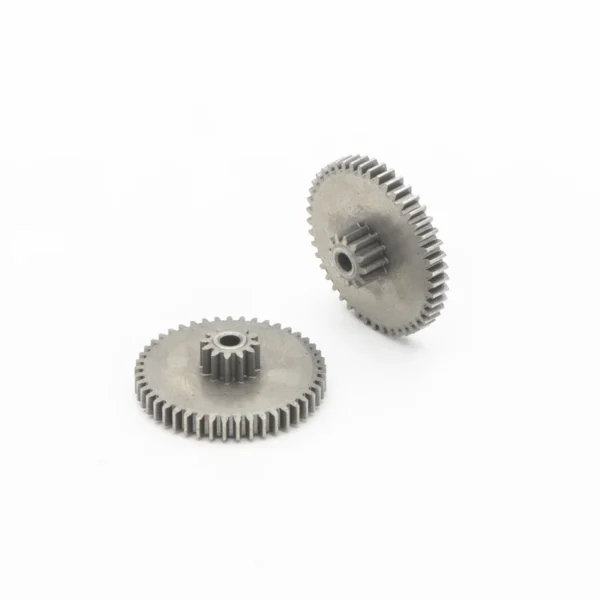
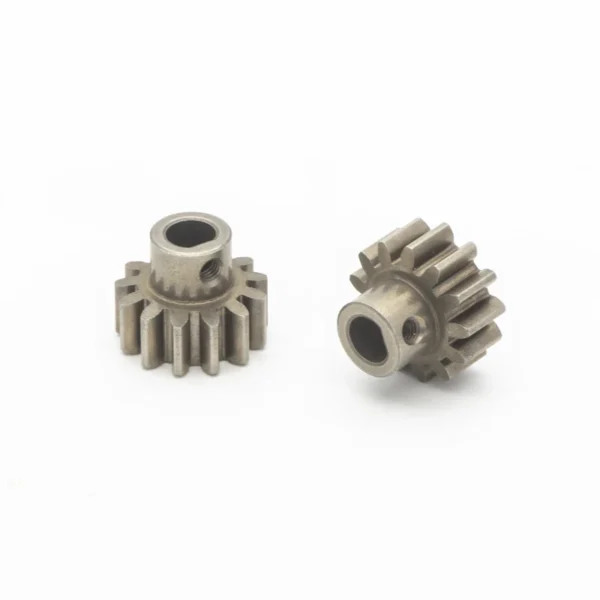
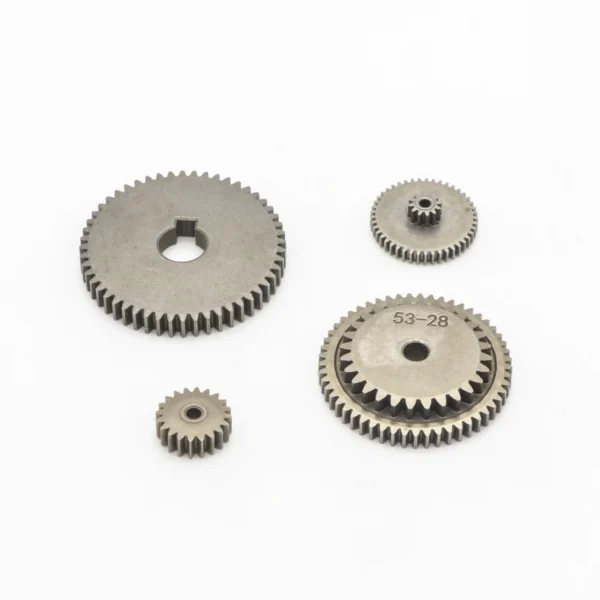
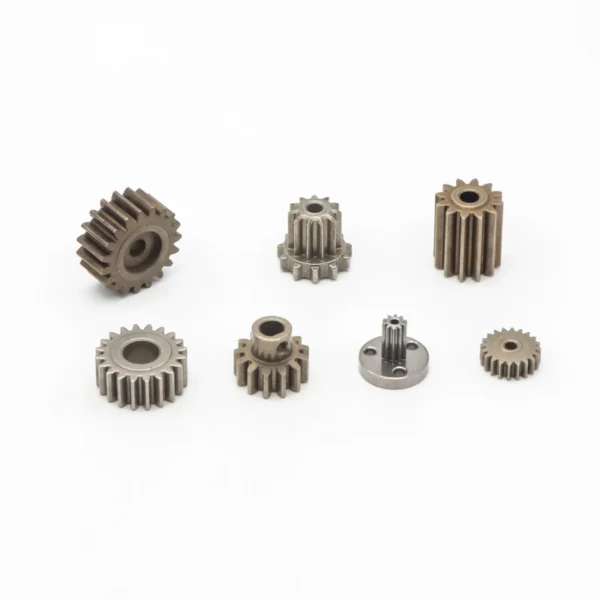
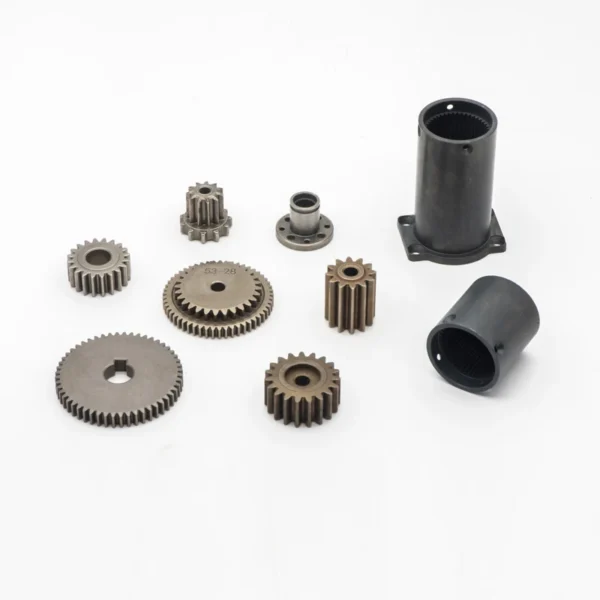
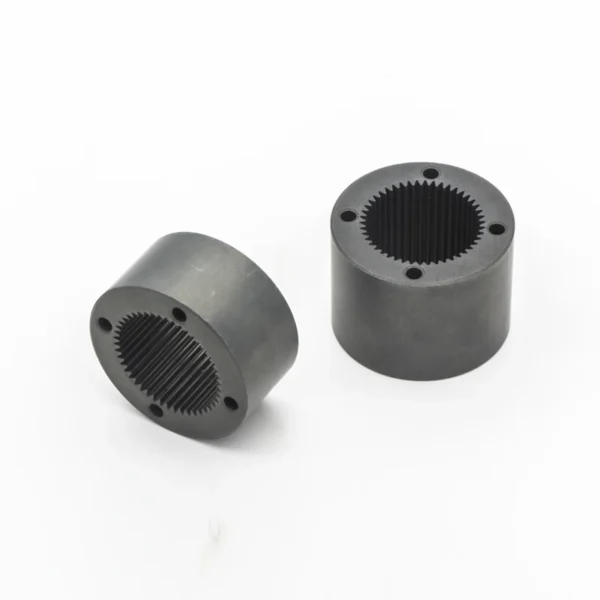
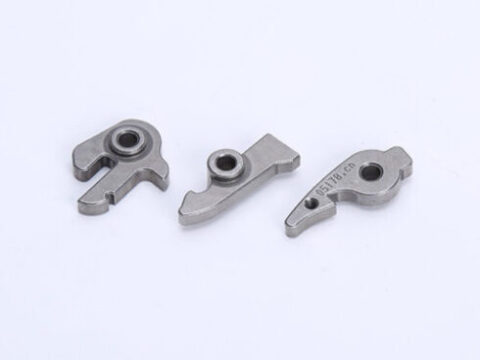
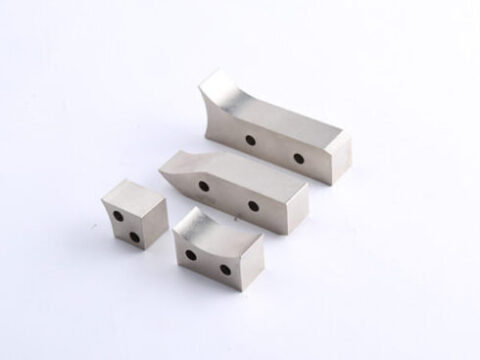
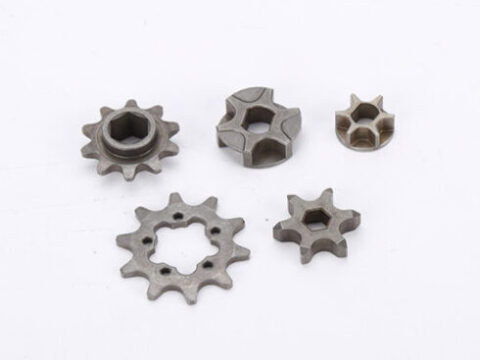
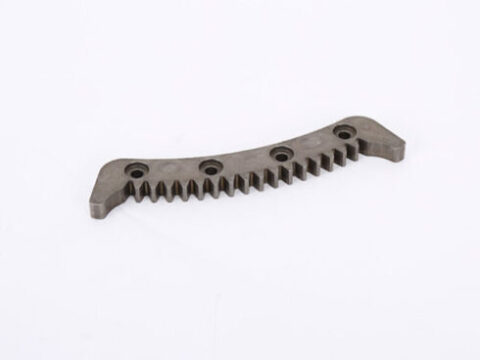
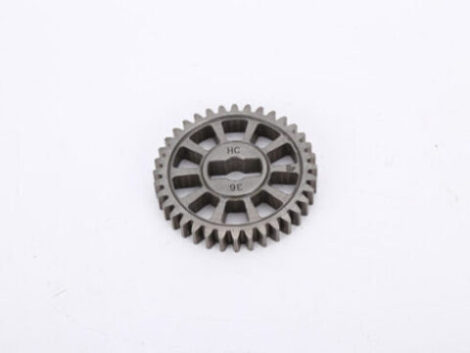
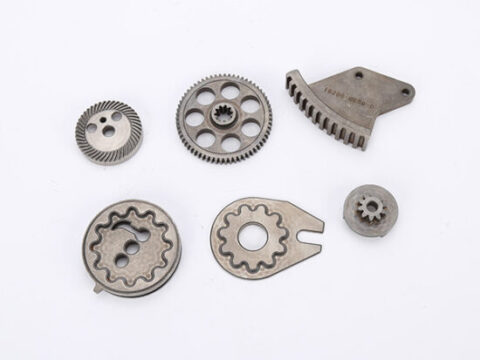
Sintered Metal Parts (3)
-
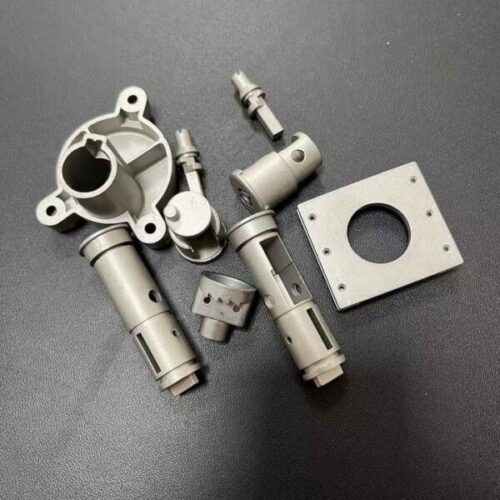
The sintering process, using powder metallurgy technology, maximizes material usage, reduces waste, and lowers production costs. It also allows for the manufacturing of complex-shaped parts, providing greater design flexibility.
-
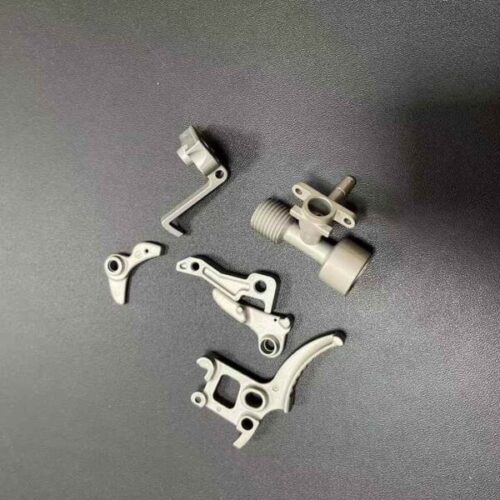
Sintered metal parts, after high-temperature sintering, exhibit high strength, hardness, and excellent wear resistance. They can maintain stable performance in harsh working environments, extending the product’s lifespan.
-
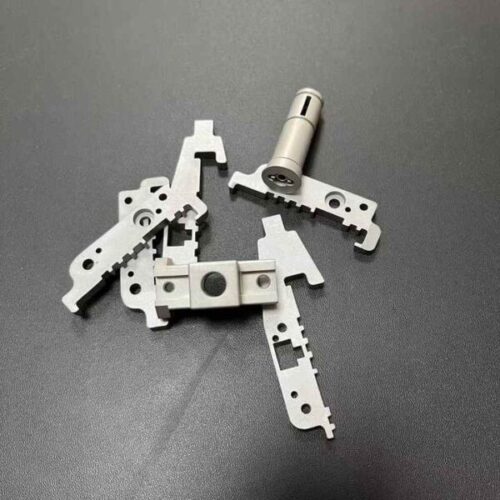
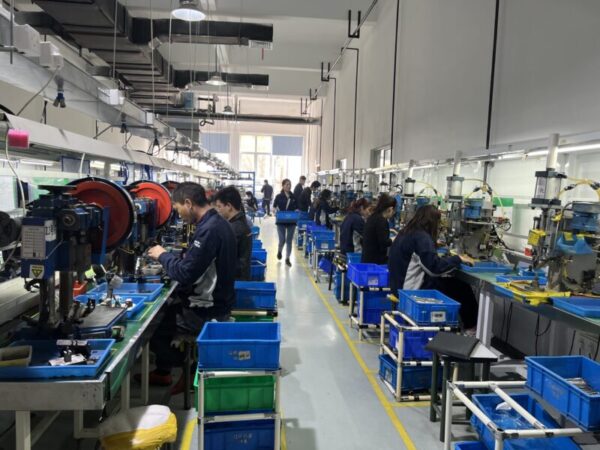
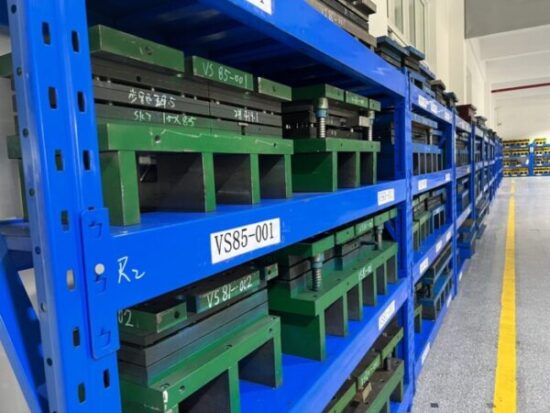
The sintering process is highly controllable, ensuring that each batch of parts meets consistent specifications and quality. With precise molds and strict process control, sintered metal parts can meet high precision and demanding application requirements.
About Us
Sintered stainless steel parts offer numerous benefits for a wide range of applications. JHMIM, a leader in custom metal solutions, specializes in delivering high-precision, high-quality, and cost-effective sintered metal components. We collaborate closely with our customers to provide tailored engineering solutions, ensuring the success of even the most complex projects.
To learn more about our sintered stainless steel capabilities or to request a quote, contact JHMIM today for reliable and expert support.
The production process involves several key steps:
- Powder Production: Creating fine metal powders from various metals or alloys.
- Compaction: Compressing the metal powder into a mold to form a “green” part.
- Sintering: Heating the green part in a controlled atmosphere to bond the metal particles.
- Secondary Operations: Additional processes like sizing, coining, heat treatment, machining, or surface treatment to achieve the final specifications.
Sintered metal parts can be made from a variety of materials, including:
- Iron and steel
- Copper and its alloys
- Aluminum
- Titanium
- Nickel
- Tungsten and more
The choice of material depends on the required properties of the final part, such as strength, hardness, electrical conductivity, or corrosion resistance.
Sintered metal parts offer several advantages over traditionally manufactured parts:
- Efficiency: Less material waste and often lower production costs.
- Precision: High dimensional accuracy and uniformity.
- Complexity: Ability to create complex shapes that might be challenging or impossible with traditional methods.
- Customization: Easier to produce custom parts in high volumes.
Sintered metal parts can achieve comparable strength and durability to forged or machined parts, especially when additional processes like heat treatment or machining are applied. The choice of metal powder and sintering conditions also play a crucial role in determining the final mechanical properties.
Yes, sintered metal parts can be heat-treated to enhance their mechanical properties such as hardness and strength. Heat treatment is a common secondary operation for improving the performance of sintered parts.
The maximum size of sintered metal parts is generally limited by the capabilities of the compaction equipment and the sintering furnace. However, advancements in technology are continually increasing the size limits. For very large parts, other manufacturing methods might be more suitable.
Quality assurance for sintered metal parts involves:
- Material Selection: Using high-quality metal powders.
- Process Control: Monitoring and controlling the compaction and sintering processes.
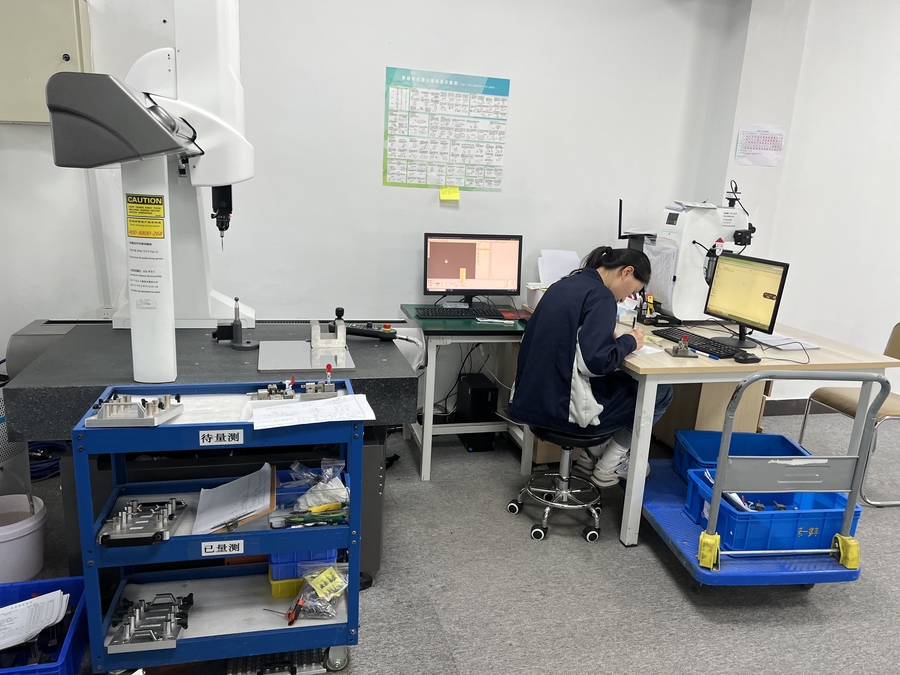
- Inspection: Conducting dimensional checks and mechanical testing on finished parts.
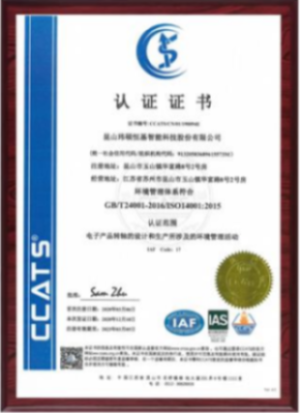
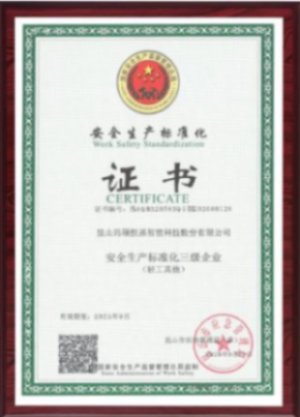
- Certification: Adhering to industry standards and certifications.
The lead time for producing sintered metal parts depends on several factors, including the complexity of the part, the volume of production, and the availability of materials. Generally, the powder metallurgy process allows for faster production times compared to traditional manufacturing methods, especially for large batches.