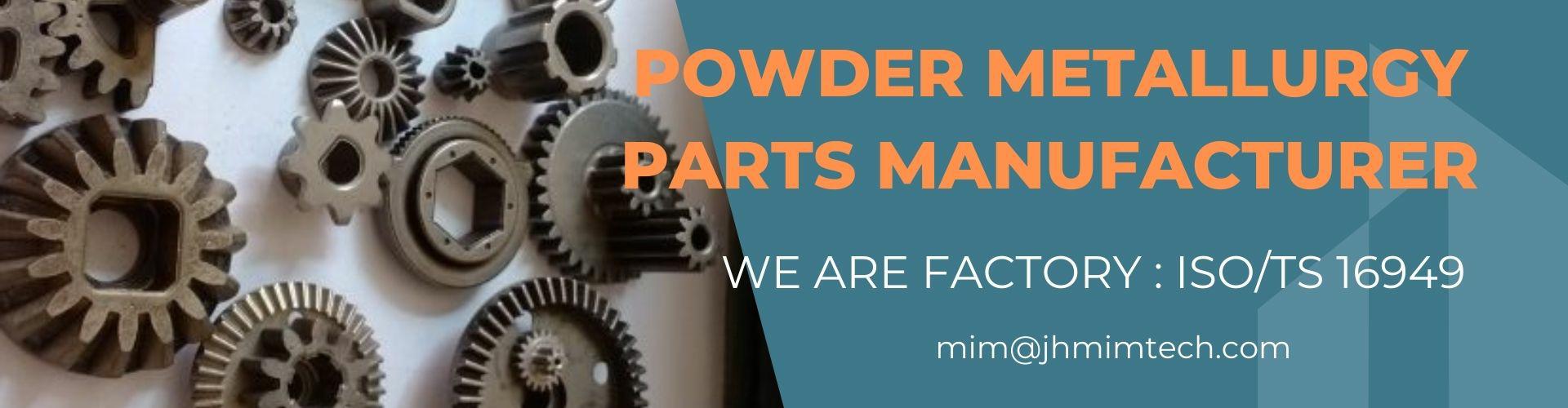
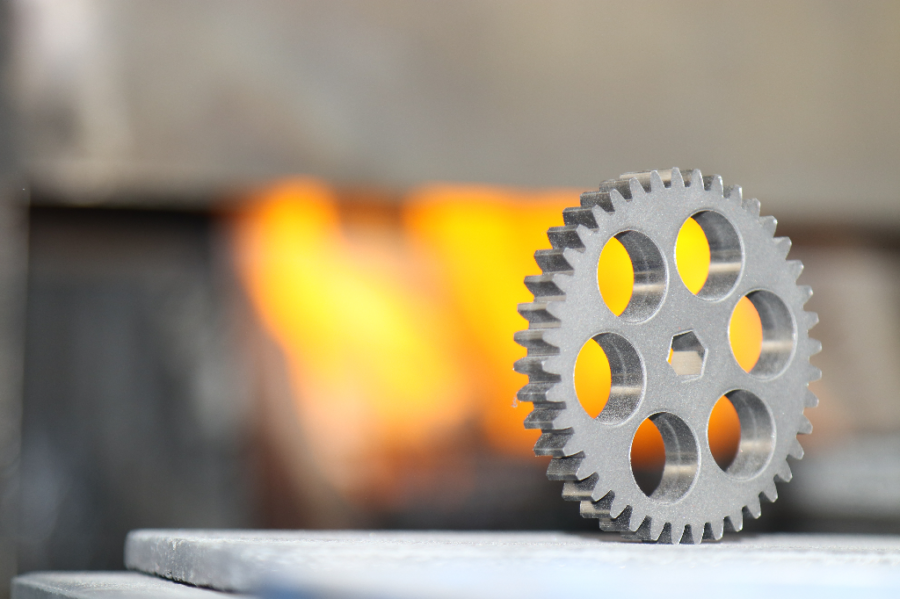
Modern precision manufacturing is undergoing a rapid transformation, with powder metallurgy parts leading the shift toward higher material efficiency and structural performance. These high-precision components allow industrial manufacturers to achieve complex geometries with minimal material waste, meeting stringent engineering demands across global supply chains.
- The global powder metallurgy market is projected to reach $26 billion by 2033, expanding at a compound annual growth rate (CAGR) of 8.8%.
- Over 80% of current powder metallurgy applications are concentrated in the automotive sector, driven by demand for lightweight, fuel-efficient structural components.
By producing near-net-shape components directly from metal powders, this technology eliminates costly machining steps, providing a high-performance solution for aerospace, medical devices, automotive, and consumer electronics applications.
Powder Metallurgy Parts: High-Quality Solutions for Diverse Industries
Core Engineering Advantages of Powder Metallurgy Parts
Powder metallurgy (PM) provides distinct material and economic benefits when compared to traditional subtractive manufacturing or sand casting. Across critical applications, PM parts deliver exceptional consistency and physical properties.
1. High Material Utilization & Waste Reduction
Powder metallurgy parts excel in material efficiency, making them one of the most sustainable metal-forming technologies available. The process typically achieves over 97% material utilization. While conventional CNC machining can generate up to 80% material scrap in the form of turnings and chips, powder compaction loses only 1% to 5% of raw material. Near-net-shape production drastically reduces secondary finishing while lowering landfill waste and overall carbon footprint.
2. Cost-Effectiveness in High-Volume Runs
Powder metallurgy offers substantial unit cost advantages for medium to high-volume production. Because near-net-shape sintering minimizes machining hours, energy consumption, and labor expenses, initial tooling investments are quickly amortized over large production lots.
3. Design Flexibility & Geometry Complexity
Advanced powder-based techniques—including conventional compaction, Metal Injection Molding (MIM), and Hot Isostatic Pressing (HIP)—enable intricate geometries that traditional cutting or forging cannot economically match. From internal spline profiles to custom medical device hardware, powder metallurgy empowers engineers to innovate without manufacturing constraints.
4. Tailored Mechanical Properties & Durability
Powder metallurgy parts exhibit high density, hardness, tensile strength, and fatigue resistance suitable for extreme operating environments. By customizing powder formulations (e.g., alloying element additions, density controls, and post-sintering heat treatments), metallurgists can tailor parts for high wear resistance or specialized corrosion resistance.
Key Industrial Applications of Powder Metallurgy Parts
Automotive Components & Powertrain Systems
Powder metallurgy products form the backbone of modern automotive engineering. Precision PM components deliver high dimensional consistency and smooth operation under high mechanical loads. Common automotive applications include:
- Oil-impregnated self-lubricating bronze and iron bushings
- Crankshaft and camshaft timing gears
- Sintered connecting rods
- Engine valve seat inserts (VSI) and valve guides
- High-efficiency oil pump rotors and gears
“Dimensional tolerances are maintained closely across large batch runs, providing excellent part-to-part reproducibility and long-term operating reliability.”
Aerospace & Defense Hardware
In aerospace applications, PM parts contribute directly to weight reduction, high-temperature stability, and extended service life. High-density nickel-base and titanium-aluminum alloys are utilized in critical propulsion and structural assemblies:
| Aerospace Component | Engineering Function & Material Advantage |
|---|---|
| Turbine Blades | Fabricated from advanced MMC/superalloys to reduce weight, resist thermal fatigue, and extend engine life. |
| Combustion Chamber Inserts | High-temperature resistant sintered PM components designed for extreme thermal cycling. |
| Fuel Nozzle Assemblies | Complex internal flow geometries produced via powder metallurgy/additive techniques, reducing total assembly weight by up to 25%. |
Medical Devices & Surgical Equipment
Powder metallurgy allows for high-purity, biocompatible stainless steels (such as 316L and 17-4PH) and titanium alloys. Precision medical components manufactured via powder metallurgy include:
- Osteoporosis pen ratchets and micro-actuators
- Flow control spring seats for dialysis equipment
- Planetary gear systems for endoscopic surgical staplers
Consumer Electronics & Home Appliances
From power tool gearboxes to smartphone hinge structures and magnetic assemblies, powder metallurgy components deliver durability in compact footprints.
| Application Type | Target Component / Sector |
|---|---|
| Electromagnetic Assemblies | Soft magnetic cores and actuators for electrical systems |
| Structural Wear Parts | High-strength gears and cams for power tools |
| Precision Bushings | Self-lubricating bearings for home appliance motors |
Powder Metallurgy vs. Traditional Manufacturing
| Comparison Metric | Powder Metallurgy (PM / MIM) | Conventional CNC Machining / Casting |
|---|---|---|
| Material Efficiency | Up to 98% material utilization (Near-net-shape) | 30% – 60% utilization (High scrap rate) |
| Secondary Operations | Minimal or none required | Extensive multi-axis milling/grinding required |
| Energy Consumption | Lower (Sintering below melting point) | Higher (Full alloy melting & continuous machining) |
| High-Volume Cost | Extremely low per-piece price at scale | High piece price due to continuous cycle time |
Partner with JHMIM for Custom Powder Metallurgy Components
Powder metallurgy continues to redefine precision metal manufacturing by offering lower cost, higher design flexibility, and exceptional material efficiency. Whether you require standard press-and-sinter powder metallurgy (PM) parts or highly complex Metal Injection Molding (MIM) components, JHMIM provides end-to-end engineering support—from feedstock formulation to final inspection.
Ready to optimize your component designs and reduce production costs? Contact the JHMIM engineering team today for a comprehensive DFM evaluation and quote.


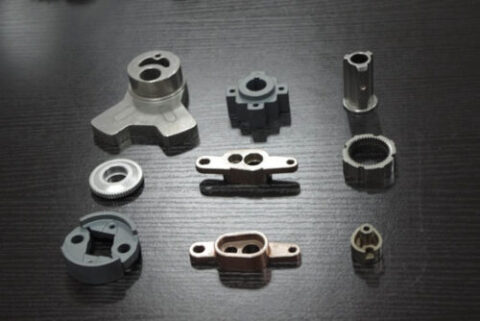


Powder Metallurgy Equipment Display (4)
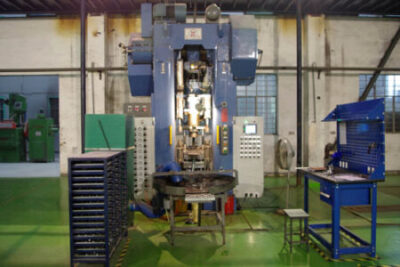

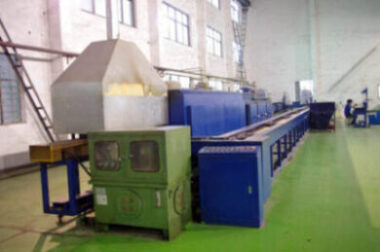

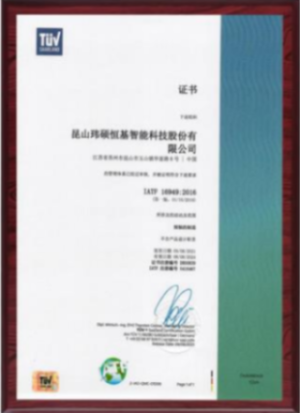
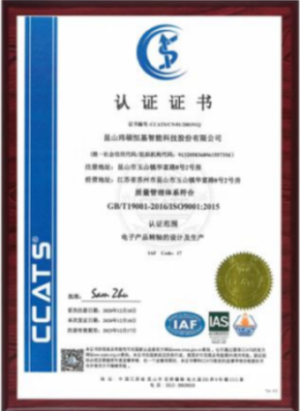
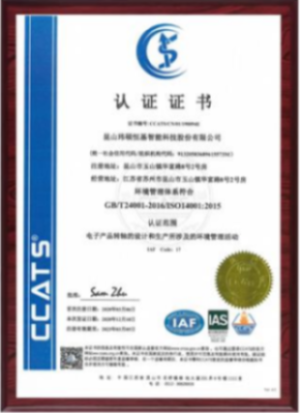
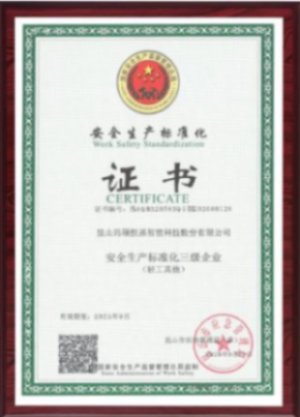
Custom Powder Metallurgy Solutions
We offer a wide range of powder metallurgy parts tailored to meet the specific needs of our clients. Our custom powder metallurgy services include design, manufacturing, and quality assurance to ensure you receive the best products possible.
Why Choose Us?
With years of experience and a commitment to excellence, we are the preferred choice for powder metallurgy parts. Our satisfied clients include leading companies in aerospace, automotive, and other industries. Read our customer testimonials to learn more about how we can help you achieve your goals.
Contact Us for Custom Powder Metallurgy Solutions
Ready to take the next step? Contact us today to discuss your powder metallurgy needs and get a custom solution tailored to your requirements.
Powder metallurgy serves industries like automotive, aerospace, medical devices, and electronics. I’ve seen it excel in applications requiring precision, durability, and cost efficiency.
Powder metallurgy achieves near-net shape production, utilizing over 97% of raw materials. Traditional machining wastes up to 80%, making powder metallurgy a more sustainable choice.
Yes, powder metallurgy produces components with tailored properties like wear resistance, tensile strength, and corrosion resistance. I’ve worked with parts designed for extreme environments, including aerospace and defense.